
Archaeologists discover 40,000-year-old bird figurines no bigger than a thumbnail that are rewriting the story of Ice Age art |
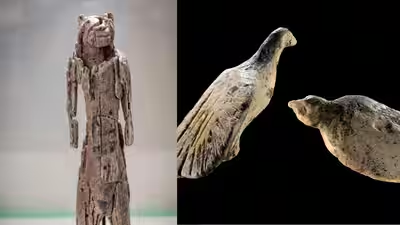
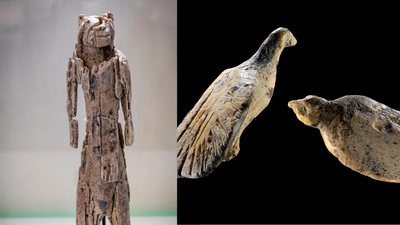
Archaeologists excavating the renowned Hohle Fels Cave in southwestern Germany have uncovered two exquisitely carved bird figurines made from mammoth ivory that date back around 40,000 years. Although each carving is no bigger than a thumbnail, researchers say the tiny sculptures demonstrate an extraordinary level of craftsmanship and artistic sophistication among some of Europe’s earliest modern humans. Found just 1.5 metres apart in a layer belonging to the Aurignacian period, the figurines provide fresh insight into the symbolic world of Ice Age communities. The discovery adds to the cave’s remarkable collection of prehistoric art and strengthens evidence that creativity, observation of nature and symbolic expression flourished far earlier than once believed.
Tiny masterpieces carved from mammoth ivory
The newly discovered figurines were unearthed during excavations in 2025 at Hohle Fels Cave, a world-famous archaeological site in Germany’s Swabian Jura region. Each sculpture was carved from mammoth ivory and is roughly the size of a human thumbnail, making them among the smallest known examples of Ice Age figurative art. Despite their tiny dimensions, archaeologists say the carvings preserve intricate details that reveal the remarkable skill of the artists who created them.Professor Nicholas Conard of the University of Tübingen, who leads excavations at the site, said the figurines demonstrate that the earliest artists were accomplished ivory carvers capable of producing delicate miniature works with striking realism.
What do the birds represent?
Researchers believe one figurine depicts a bird resting on the ground, possibly brooding over its eggs. Based on its posture and archaeological evidence from the cave, experts suggest it may represent a ptarmigan, a cold-adapted game bird related to grouse and chickens whose bones have also been found in Ice Age deposits at Hohle Fels.The second figurine portrays a bird with its wings spread wide. Archaeologists think it may represent a bird taking flight, displaying during courtship or possibly a bird of prey. The detailed anatomical features are so carefully carved that researchers can make informed interpretations about the species and behaviour being portrayed.
Discovered at one of Europe’s most important prehistoric sites
Hohle Fels Cave has become one of the most significant archaeological sites for understanding the lives of the first modern humans in Europe. The cave was occupied during the Aurignacian period, between about 43,000 and 28,000 years ago, shortly after Homo sapiens spread across Europe as Neanderthals disappeared.The site has yielded an extraordinary collection of prehistoric artefacts over the past several decades, including animal figurines, jewellery, tools made from bone and ivory, and some of the world’s oldest known musical instruments.
Home to the famous Venus of Hohle Fels
The cave is perhaps best known for the Venus of Hohle Fels, a 41,000-year-old ivory figurine of a woman with exaggerated features that is widely regarded as Europe’s oldest known figurative sculpture of a human.Archaeologists have also uncovered flutes carved from griffon vulture bones and mammoth ivory, providing evidence that music formed an important part of Ice Age life. Together, these discoveries suggest that artistic expression, craftsmanship and symbolic behaviour were already deeply rooted among early Homo sapiens.
The significance of the discovery
The newly discovered birds are particularly significant because Hohle Fels is currently the only known Ice Age cave site to have produced multiple bird figurines. Most prehistoric carvings from Europe depict large mammals such as mammoths, horses or cave lions, making the repeated appearance of birds at Hohle Fels especially unusual.Researchers believe the carvings show that early humans carefully observed the natural world around them. Rather than creating simple or abstract shapes, the artists captured distinctive postures and features that continue to intrigue archaeologists today.
What were the figurines used for?
Although their exact purpose remains unknown, researchers have proposed several possibilities. The miniature sculptures may have served as personal talismans, ritual objects, symbols of identity or artistic expressions connected to the surrounding landscape and wildlife.Because no written records exist from this period, archaeologists can only infer their meaning from their context and craftsmanship. Their discovery nevertheless provides valuable clues about the symbolic thinking and cultural lives of Ice Age communities.
A window into Ice Age creativity
The two figurines reinforce growing evidence that artistic innovation was a defining feature of Europe’s earliest modern humans. Alongside sculpture, music, jewellery and sophisticated tools, the tiny birds illustrate a society capable of remarkable imagination and technical precision.Far from being simple survivalists, the people who occupied Hohle Fels 40,000 years ago appear to have celebrated the world around them through art. The latest discovery not only enriches the cave’s extraordinary archaeological record but also offers another glimpse into the origins of human creativity.
Where are the figurines now?
The newly discovered bird figurines are currently on public display at the Museum of Prehistory and Ice Age Art (urmu) in Blaubeuren, Germany. Visitors will be able to view the rare Ice Age masterpieces until April 4, 2027, offering a unique opportunity to see some of the earliest surviving examples of miniature figurative art ever created.