Antarctica’s melting glaciers are leaking toxic mercury into the ocean, which could increase toxic metal levels in the marine food chain and humans |
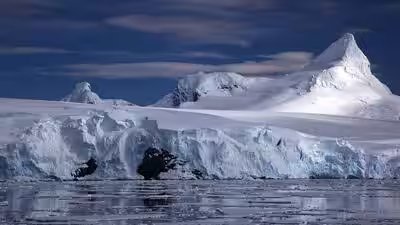
Antarctica is releasing alarming amounts of mercury into the surrounding ocean as climate change accelerates the melting of its glaciers. A new study published in the Proceedings of the National Academy of Sciences (PNAS) has found that mercury accumulation in sediments around the Antarctic Peninsula has risen sharply since industrialisation, while melting ice is releasing mercury that had been stored for decades. The findings reveal that Antarctica is no longer simply acting as a place where mercury becomes trapped. It is increasingly becoming a source of the toxic metal. The change matters because mercury can move through marine ecosystems, becoming more dangerous as it passes from tiny organisms to fish and larger animals. With some Antarctic fish and krill entering commercial fisheries, researchers say that the changing mercury cycle could eventually have consequences beyond the frozen continent.
How did mercury become trapped in Antarctica
Antarctica may seem far removed from the industrial activity responsible for much of the world’s pollution, but mercury can travel long distances through the atmosphere. According to the American Geophysical Union(AGU), mercury from sources including coal-burning and mining can reach the Southern Ocean and settle on Antarctic ice and surrounding areas. The continent’s cold conditions have historically helped trap these pollutants. Over time, mercury accumulated in ice, land and sediments, effectively turning Antarctica into a long-term storage area.The PNAS study, led by researchers including Chengzhen Zhou and Maodian Liu, examined how stored mercury has changed over the past 200 years. The researchers analysed 16 sediment cores collected from the continental shelf around the Antarctic Peninsula, an area experiencing particularly rapid warming and glacier loss. The results showed a clear change after industrialisation. Mercury accumulation in the sediments increased by an average of 160%, with the rise becoming rapid from the 1950s onwards. The modern accumulation rate is also about twice the average for continental shelves around the world.
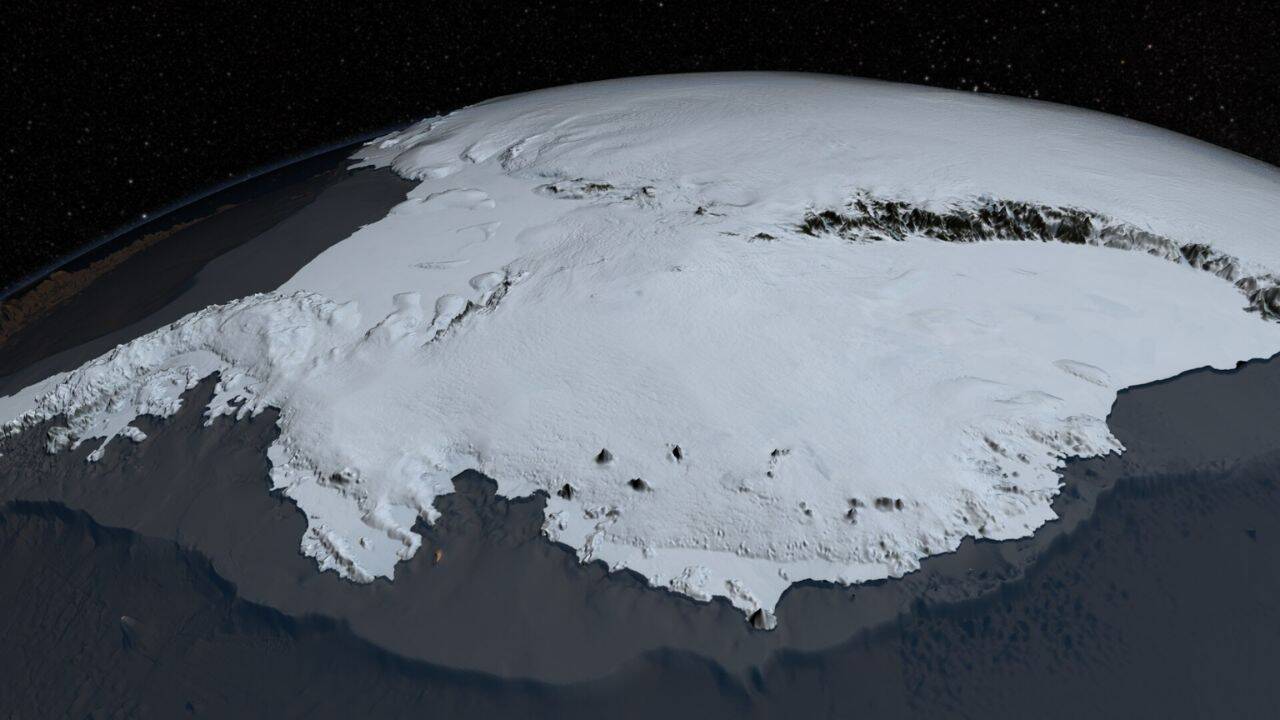
Visualization of the Antarctic ice sheet. Image Credit: Nasa
Melting ice making the mercury pollution worse
The major concern is that warming is not simply bringing more mercury into Antarctica from the atmosphere. It is also unlocking mercury that is already there. As glaciers melt, water moves across ice, land and sediment before reaching the ocean. That process can disturb and carry mercury that had remained stored in the frozen landscape. The research found that mercury released from land through ice melt has increased by 550% since industrialisation. AGU reported that the researchers estimate around 56% of the mercury found in the Antarctic Peninsula seafloor cores, came from the atmosphere. The remaining mercury was linked to glacier melt, weathering and erosion of Antarctic ice and sediment.That means climate change is effectively opening a second route for mercury to reach the ocean. Instead of remaining locked away, older mercury can now be carried into coastal waters as glaciers retreat and melt. The PNAS study describes this as part of a larger ‘atmosphere-glacier-land-ocean mercury cycle.’ At the same time, expanding areas of open water can increase the direct exchange of mercury between the atmosphere and the ocean. The researchers estimated that air-sea mercury exchange has increased by 350% since industrialisation.
What happens when mercury enters the food chain
The greatest concern is not simply the presence of mercury in seawater. The metal can change into methylmercury, a more toxic form that is readily taken up by living organisms. According to AGU, methylmercury can move through the Antarctic food web, beginning with plankton and then passing into krill, fish, seabirds and marine mammals. This creates a pathway through which mercury can get higher up the food chain. Animals exposed to sufficiently high amounts of methylmercury can experience problems involving the nervous system, behaviour, growth and reproduction, according to the researchers. The concern is particularly relevant because Antarctic marine life is not completely isolated from human activity. Some krill and fish from the region are connected to commercial fisheries. As a result, mercury entering Antarctic ecosystems could eventually become a concern for people who consume seafood linked to these waters. The researchers are not suggesting that Antarctic seafood is suddenly unsafe. Rather, the findings highlight a changing pollution pathway that needs closer monitoring.
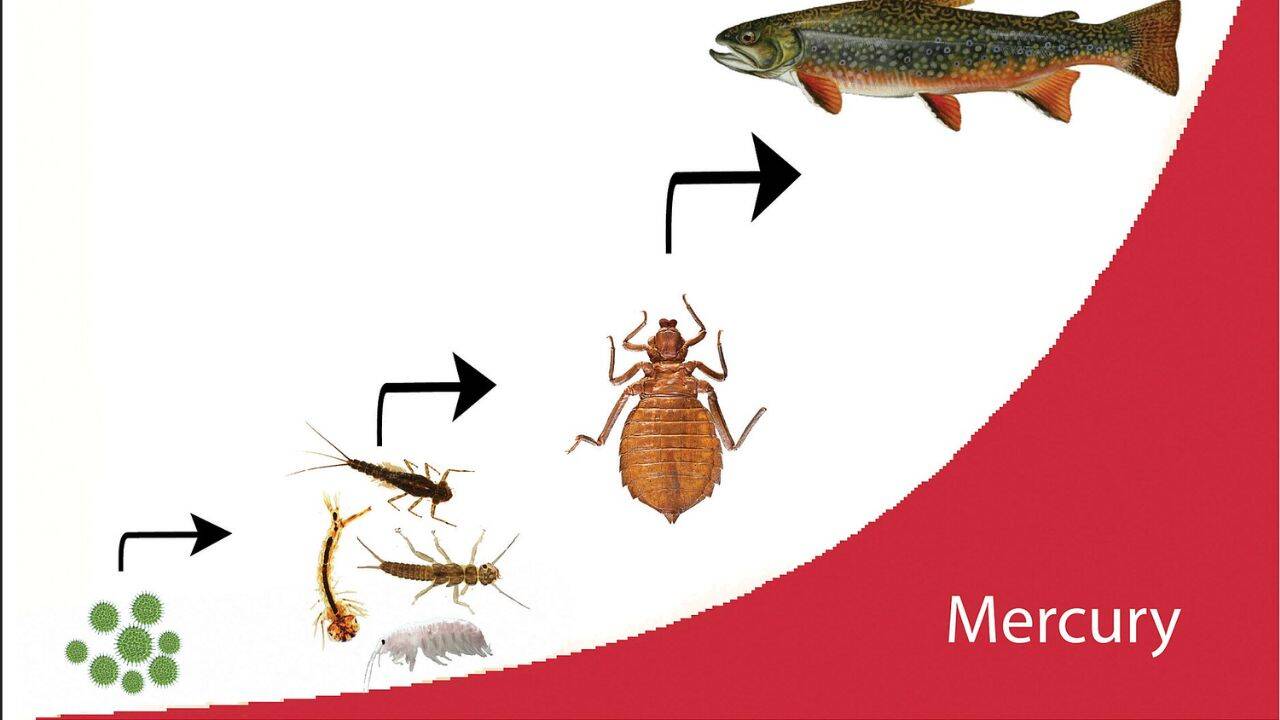
Image Credit: Wikipedia
Mercury could keep rising even if global emissions fall
One of the most difficult aspects of the discovery is that reducing new mercury pollution may not immediately stop the problem. Even if emissions from activities such as coal combustion and mining decline, mercury already stored in Antarctic ice and land can continue to be released as warming causes further melting. AGU reported that this means environmental mercury levels may not fall immediately alongside reductions in human emissions. The PNAS researchers therefore describe climate warming and atmospheric mercury pollution as connected problems rather than separate ones. Human activity first helped increase the amount of mercury reaching Antarctica, while warming is now helping release some of what accumulated there.
What does the leaking mercury mean for Antarctica
The study changes the way Antarctica’s role in the global mercury cycle is understood. The continent was once viewed largely as a place where pollutants could become trapped and stored. Now, increasing melt is turning some of that historical storage into a new source of pollution. The researchers stress that more work is needed to determine whether the patterns observed around the Antarctic Peninsula apply across the entire continent. AGU also noted that scientists want to better understand how much mercury in Antarctic waters could be converted into methylmercury, particularly because that process generally happens more quickly in warmer conditions. For Antarctica, the discovery adds another consequence to a warming climate. Melting ice does more than raise sea levels and reshape landscapes. It can also release pollutants that have been quietly stored for generations, allowing an old problem to move back into the living world.