America’s ayurveda addiction and a Kerala music story
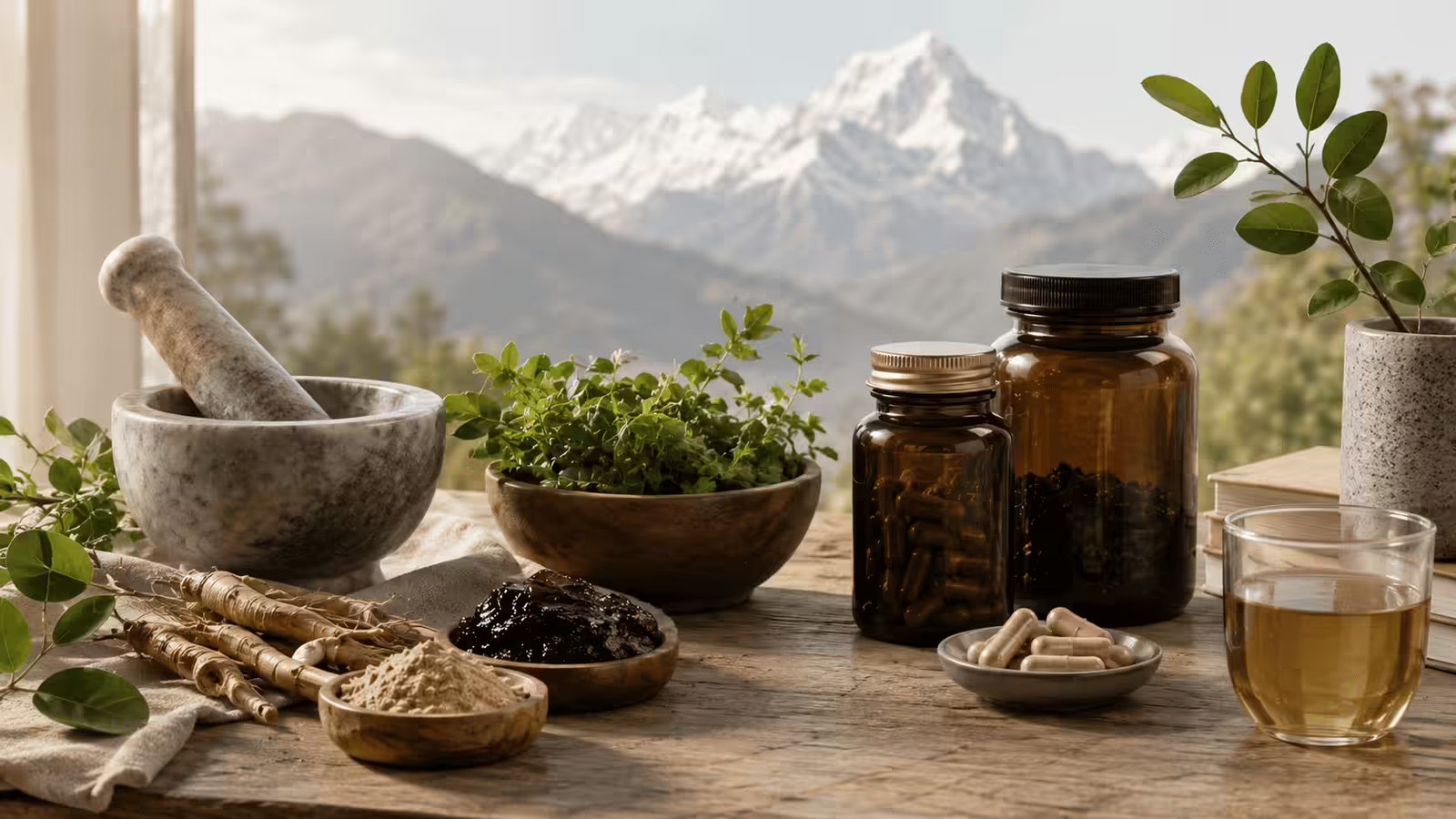
This week’s edition is about what happens when Indian ideas and people travel. Ancient medicine has become one of America’s hottest wellness trends, though not always to India’s benefit. An Indian-origin astronaut is preparing for an eight-month mission in space. A young singer from Arizona is winning over audiences in Kerala.
Let’s go.
THE BIG STORY
The billion-dollar rush for India’s ancient cures
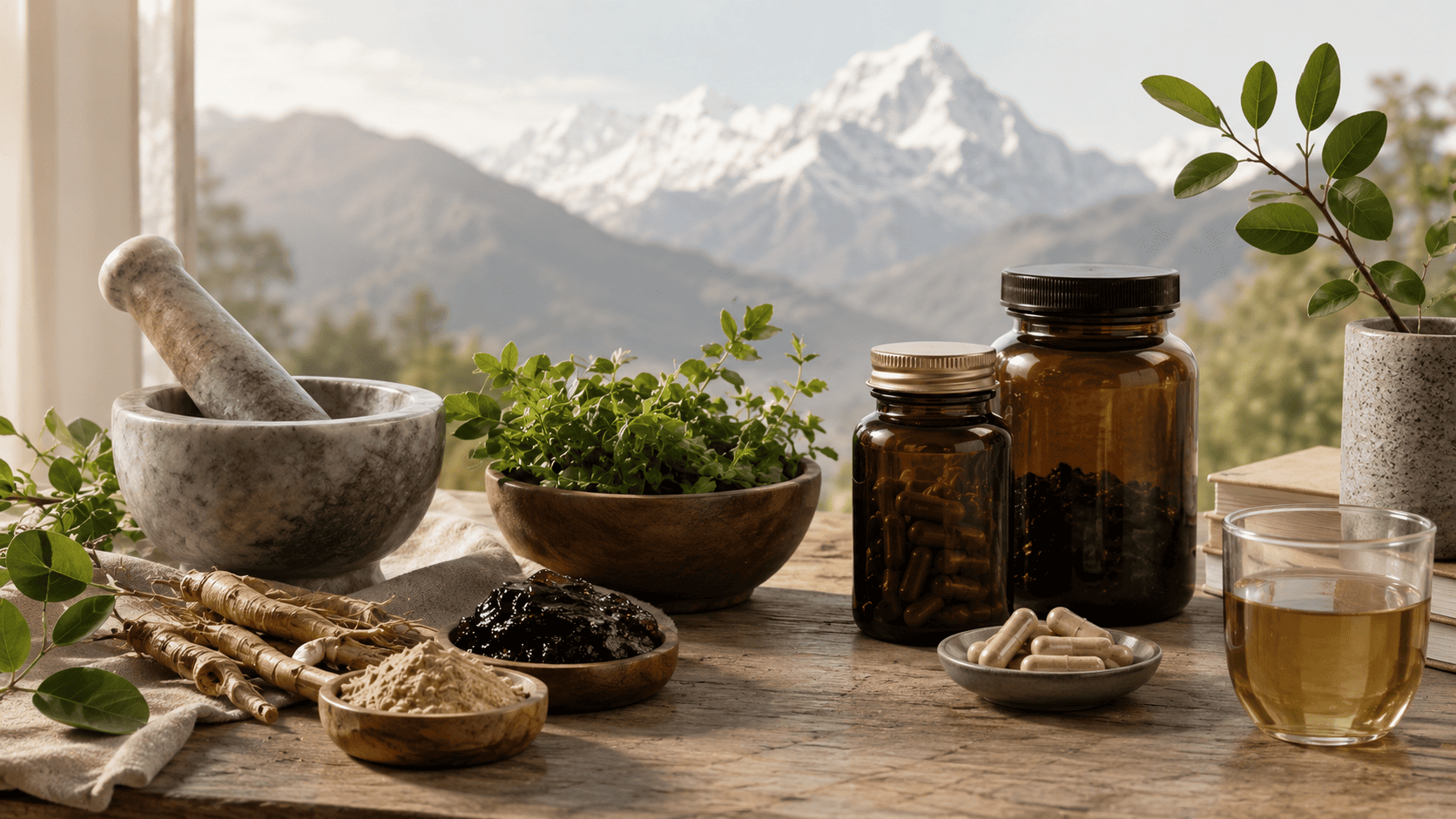

In the fevered corners of the internet where people obsess over testosterone, sleep scores and longevity, India’s ancient remedies have found an unlikely second life. Ashwagandha to lower cortisol. Brahmi to sharpen memory. Shilajit, according to one devoted Reddit user, is “king”, though he warned unmarried men to be careful because it “carries serious power”.
It sounds like another wellness craze. In reality, it is the latest chapter in a much older story: the global race to package, market and profit from India’s traditional knowledge.
Why it matters:
India has fought this battle before.
In 1995, two researchers at the University of Mississippi received a US patent for turmeric’s wound-healing properties. India challenged it, arguing that the medicinal use of turmeric had been part of traditional knowledge for centuries. The patent was revoked two years later.
A similar fight followed over neem. In 1994, the US Department of Agriculture and multinational company W.R. Grace secured a European patent for a neem-based fungicide. After years of legal challenges led by India and international campaigners, that patent too was revoked.
The disputes revealed a larger problem. Knowledge that had been passed down through generations, shared rather than owned, was being claimed as intellectual property elsewhere. In response, India created the Traditional Knowledge Digital Library in 2001, documenting thousands of Ayurvedic, Siddha and Unani formulations so patent offices around the world could no longer treat them as new inventions.
Driving the news:
A recent Bloomberg investigation found that the global boom in shilajit has created a supply chain that is both opaque and difficult to verify.
Authentic shilajit is collected from high-altitude Himalayan rock faces, often under hazardous conditions. Yet thousands of brands now claim to sell it. Bloomberg contrasted premium jars of purified resin costing hundreds of dollars with “100% Himalayan shilajit” gummies selling for under $10 at Target and shilajit-infused drinks on supermarket shelves, raising obvious questions about authenticity, sourcing and who captures the real value.
India supplied the knowledge. America built the market. Somewhere in between, the people growing and harvesting these herbs are still receiving the smallest share of the harvest.
NRI WATCH
One Person, Three Continents, Countless Missions — Now, Space
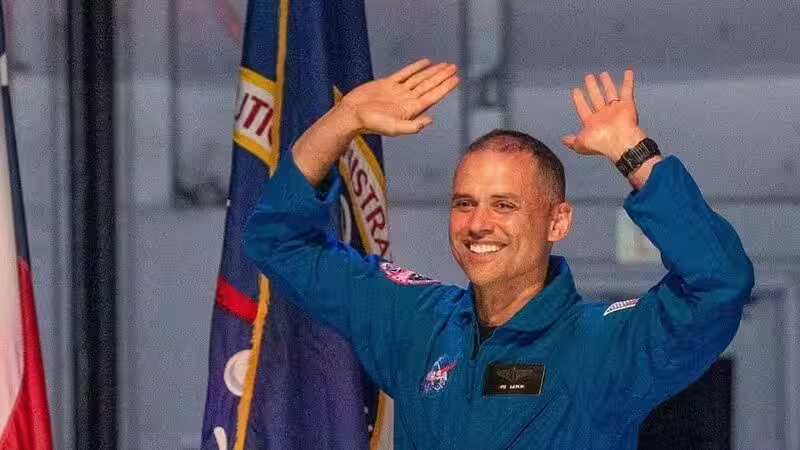

On 14 July, Indian-origin Nasa astronaut Anil Menon will launch to the International Space Station aboard the Roscosmos Soyuz MS-29 spacecraft from the Baikonur Cosmodrome in Kazakhstan for an eight-month mission. He will travel alongside Russian cosmonauts Pyotr Dubrov and Anna Kikina.
Menon, 49, was born in Minneapolis to Ukrainian and Indian immigrant parents. His career has taken him from the battlefields of Afghanistan to the slopes of Everest, from emergency rooms to the US Space Force, and from helping prepare SpaceX’s first human spaceflights to NASA’s astronaut corps.
Along the way, he worked with the Himalayan Rescue Association treating climbers in Nepal, spent a year in India supporting polio vaccination efforts as a Rotary Ambassadorial Scholar, and helped build SpaceX’s medical programme before being selected by Nasa in 2021.
The son of an Indian immigrant, travelling to space aboard a Russian spacecraft launched from Kazakhstan to conduct experiments that could help humanity reach Mars. The Indian diaspora story rarely travels in a straight line.
OFFBEAT
He Grew Up in the US. His Heart Belongs to Malayalam Music

Navaneeth Unnikrishnan was born and raised in Arizona, speaks with an American accent, walks onto the stage in a plaid jacket over a white T-shirt, and can, within minutes, explain the relationship between a 1968 Malayalam film song and a Hindustani raga in a way that makes a hall full of Malayalis hear a familiar melody differently.
He is 21. He graduated in data science from New York University this year and starts a full-time job next month. Music, he says, will always remain the other life running alongside it.
Navaneeth’s parents moved from Kannur to the United States in 1998. His father is an engineer at a semiconductor company and his mother is a paediatrician. Neither comes from a musical background. Yet their son has become one of the youngest voices keeping Malayalam’s musical tradition alive.
He has already received the 49th Kerala Film Critics Award for Best Male Playback Singer and the Swaralaya-Devarajan Master Award. He taught himself Malayalam by listening to old cassette recordings until every syllable sounded right, applying the same discipline to Hindi and Bengali.
For Navaneeth, home was never a place he left behind. It was a language he learned, one cassette tape at a time.