
A journey that influenced my life
In 2006, one afternoon while driving past the Wadala Dome Theatre in Mumbai, my attention was drawn to a banner that read Mystic India. The vibrant images of Indian festivals instantly aroused my curiosity, and I walked in to watch the one-hour film. Little did I know that this spontaneous decision would leave a permanent imprint upon my soul.
The movie portrayed the extraordinary journey of an eleven-year-old boy from Allahabad who renounced home and began walking across the vast circumference of India. As I watched him travel through forests, villages, rivers, mountains and sacred pilgrimage sites, participating in colourful festivals and witnessing the majestic spiritual heritage of India, I became completely absorbed in his journey.

The young yogi meditated amidst dense forests and snow-covered Himalayan peaks, received spiritual initiation, and eventually emerged as a great spiritual master in Gujarat. One particular scene deeply stirred me. While journeying from Haridwar to Badrinath and onward to Mukhtinath in Nepal, he stood beneath the sacred waters flowing from 108 holy streams in the Mukhtinath temple. At that very moment, a powerful thought arose within me: “One day, I must go to Mukhtinath.” Miraculously, the very next Monday, I found myself standing in Mukhtinath, Nepal. The film had touched something profound within me.
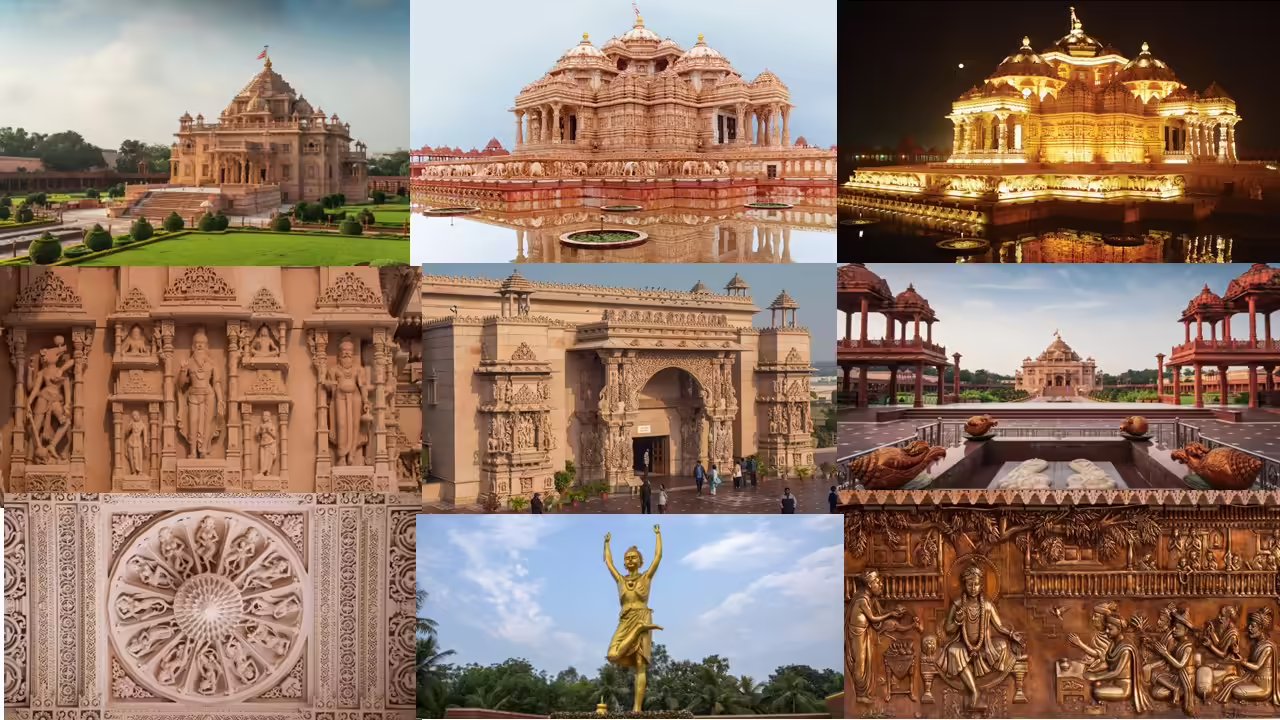
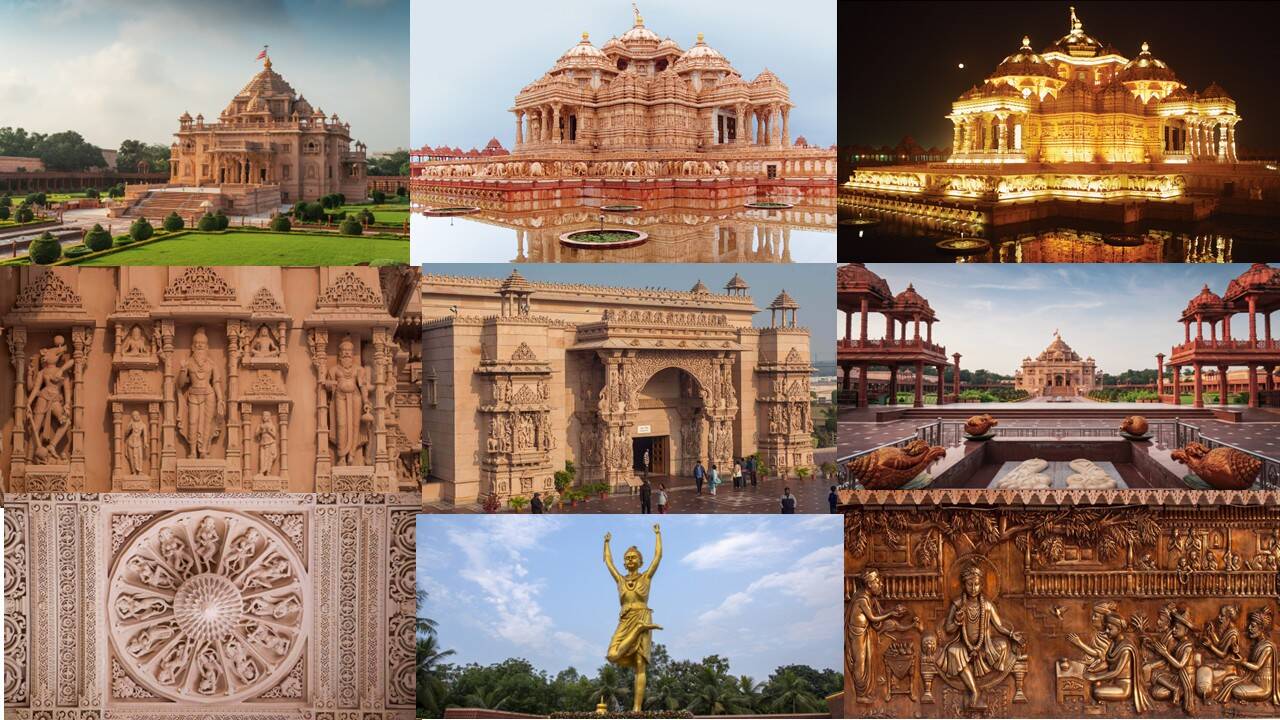
Later, during my next visit to Delhi, I decided to visit the magnificent Swaminarayan Akshardham temple complex. From the very first moment, I was mesmerised by everything there: the architecture, the intricate sculptures, the vast landscaped gardens, the spiritual exhibitions, the uplifting ambience, the divine energy, and the extraordinary hospitality. From that day onward, whenever foreign delegates visited Delhi with me, taking them to Akshardham became an essential part of the journey.
Yet among all my visits, the most cherished experience was when I took my two children there while they were only five and seven years old, and we stayed within the temple premises.
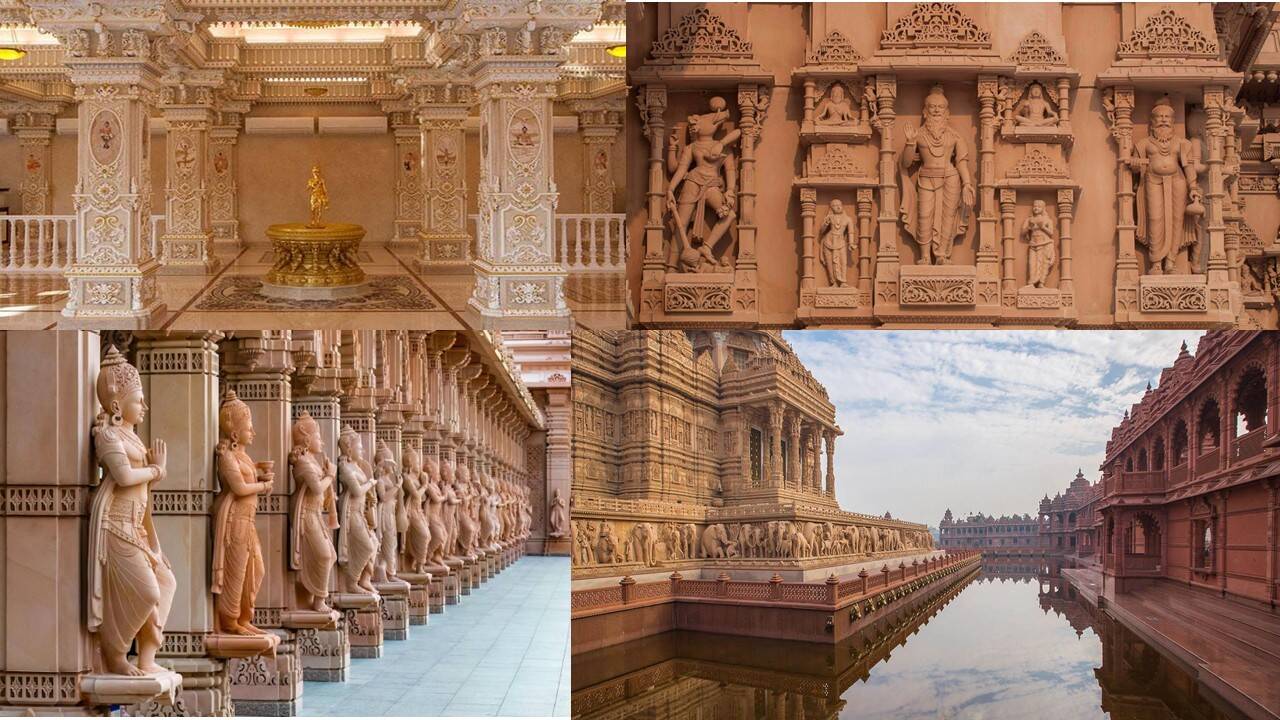
The temple is truly a masterpiece of Indian architecture and craftsmanship, reflecting the artistic brilliance of Rajasthan and Gujarat. As we climbed the majestic staircase and entered the sanctum, we stood before the awe-inspiring eleven-foot golden murti of Bhagwan Shri Swaminarayan, seated gracefully in Abhaya Mudra, the gesture of divine protection and blessing, surrounded by his five disciples.
The temple interior is adorned with nine exquisitely carved mandapams, each crowned with gigantic domes and sculpted ceilings filled with celestial musicians, dancers, divine beings, mythological figures and sacred deities. Everywhere we looked, there were magnificent carvings etched into marble and stone.
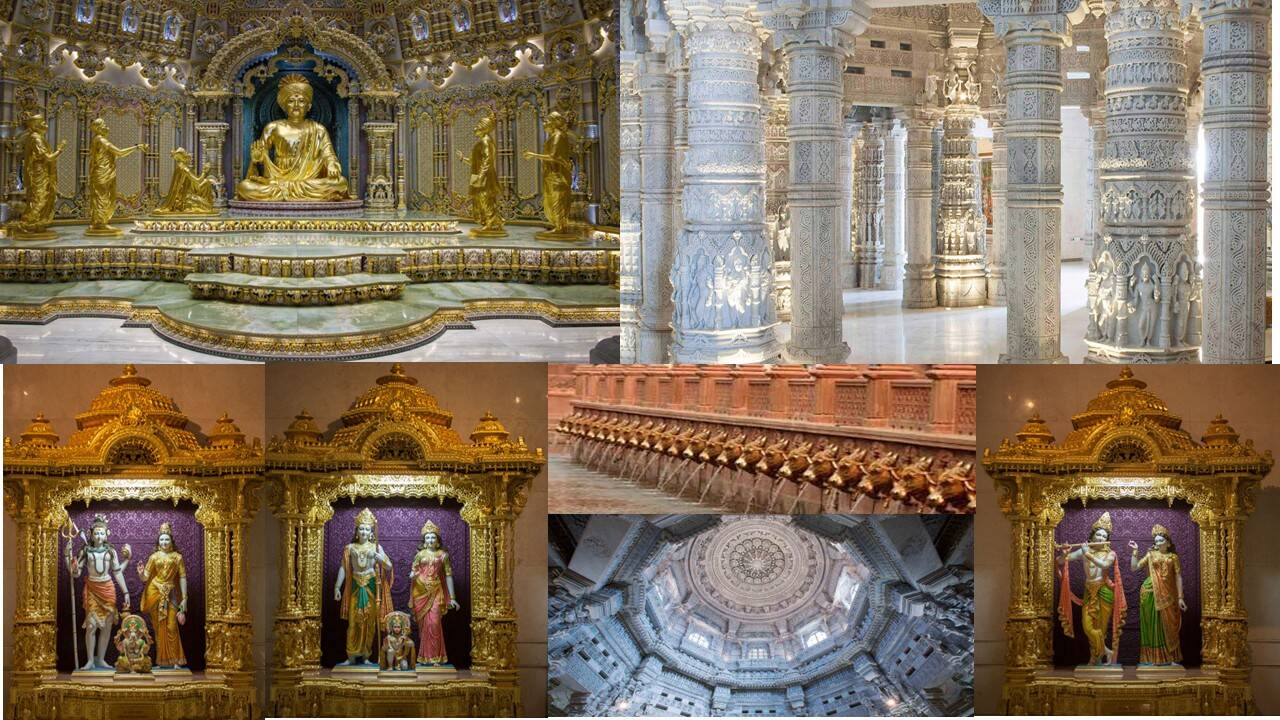
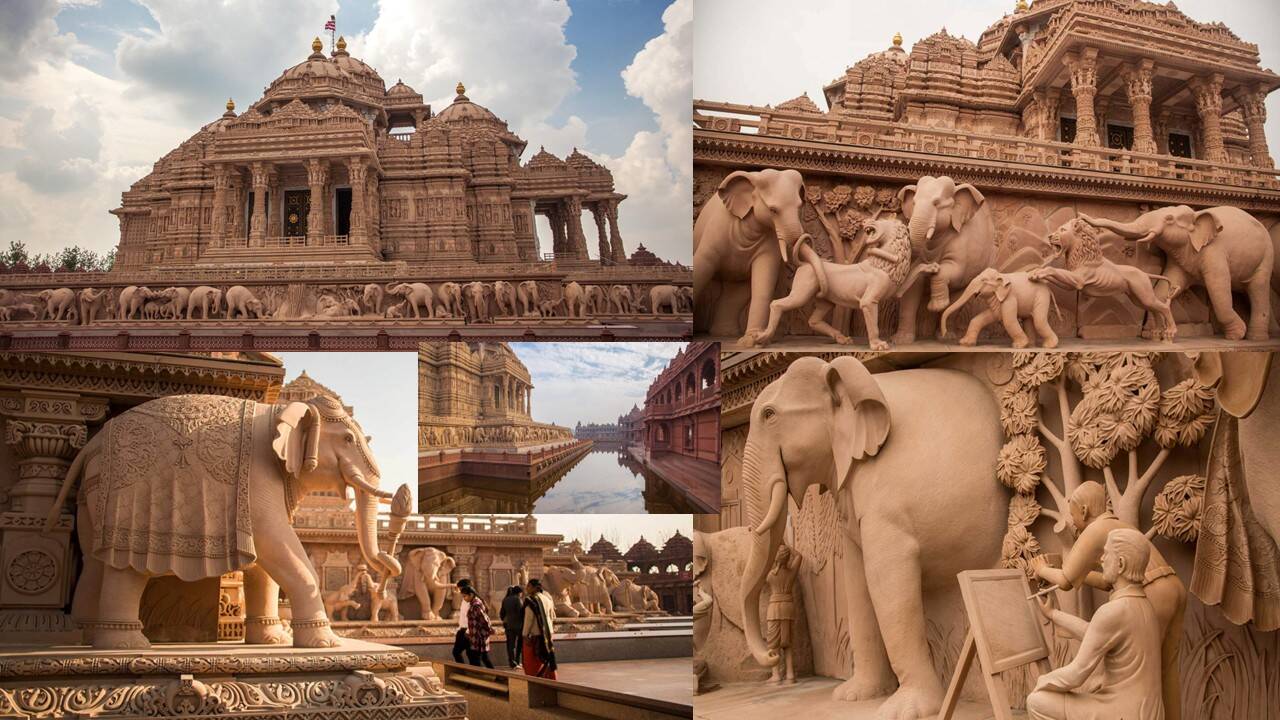
There are 234 ornately carved pillars decorated with floral motifs, sacred animals, yogis, sages, dancers and heavenly beings. Every ceiling, dome and pillar narrates symbolic stories from Hindu spirituality and Indian civilisation. Around the central sanctum stand beautifully adorned shrines dedicated to Shri Sita Ram, Shri Radha Krishna, Shri Lakshmi Narayan and Shri Shiv Parvati. The deities are decorated with exquisite ornaments and traditional garments that radiate grace and devotion. The ceilings themselves are breathtaking works of sacred geometry, featuring lotus patterns, concentric floral designs, heavenly assemblies, cosmic symbols and intricately carved stone chandeliers suspended like divine creations from another realm. At the base of the temple lies the magnificent Gajendra Peeth, the Elephant Foundation, featuring 148 life-sized sculpted elephants. The carvings portray elephants alongside sages, kings, gods and scenes from nature, symbolising wisdom, loyalty, harmony and strength.
We also visited the sacred Narayan Kund, which contains water collected from 108 holy rivers of India. After experiencing the grandeur of the main temple, we proceeded to a smaller shrine known as the Abhishek Mandap. At the centre of the hall sits the beautiful murti (idol) of Neelkanth Varni, the youthful yogi. Soft devotional music filled the air while Sanskrit chants echoed gently through the hall, creating a deeply meditative environment.
Abhishek is the ceremonial bathing of a sacred idol. It symbolises purification, devotion, surrender of ego, prayer for blessings and spiritual cleansing. The sanctified water used for the ritual is regarded as spiritually charged and sacred. We poured the sacred water over the murti while chanting his divine name. He represents renunciation, fearlessness, compassion, discipline and intense devotion to God.
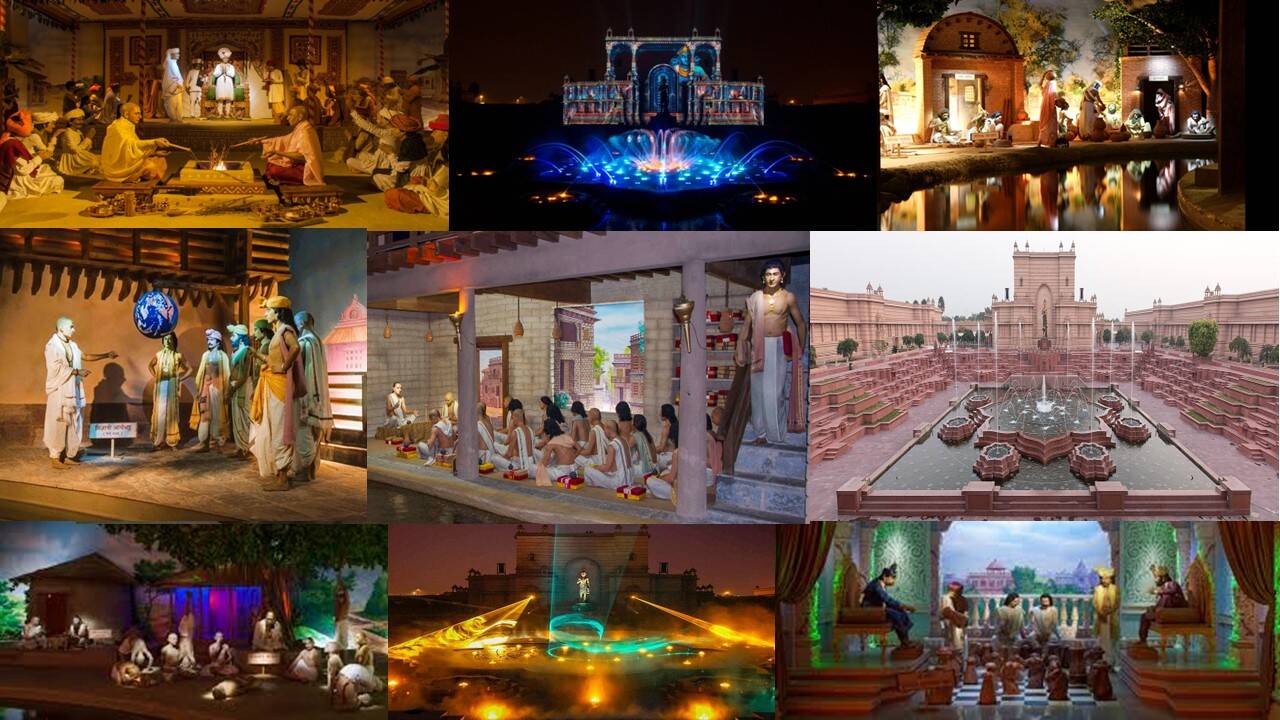
We then explored the four indoor exhibition halls known as the Hall of Values. These halls combine advanced animatronics, life-sized dioramas, films, music and sound effects to beautifully convey timeless human values such as nonviolence, honesty, humility, devotion, family harmony and selfless service to humanity. The presentations were deeply inspiring and morally uplifting.
One of our favourite experiences was the Cultural Boat Ride, known as Sanskruti Vihar. It carried us through thousands of years of India’s glorious civilisation. We witnessed scenes depicting Vedic education, Ayurveda, astronomy, mathematics, yoga, arts and the scientific achievements of ancient India. The ride also highlighted the grandeur of ancient universities such as Takshashila and Nalanda Mahavihara, vividly showcasing India’s immense contributions to world civilization.
I also thoroughly enjoyed watching the Mystic India film once again. At the end of the movie, my young son looked at me and innocently declared, “When I grow up, I want to become Neelkanth.” That moment touched my heart forever.
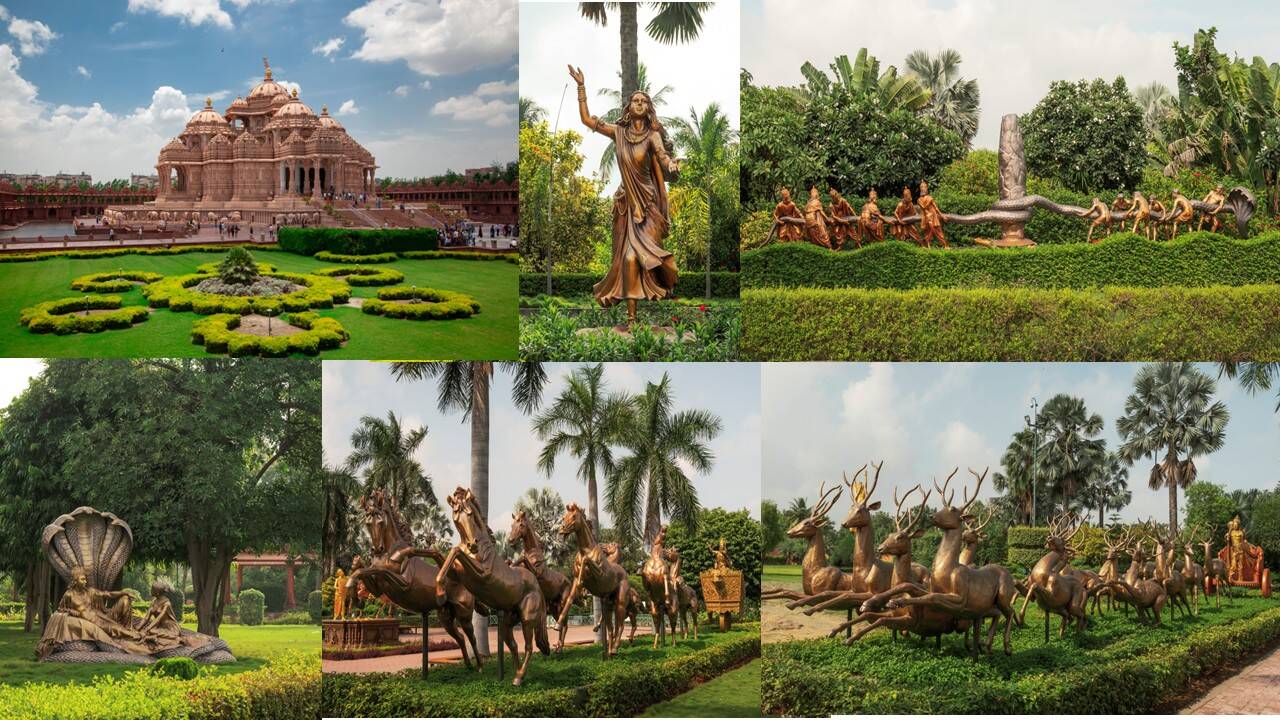
We later walked through the peaceful Bharat Upavan Gardens, attending the evening Abhishek of the 60-foot-tall golden statue of Neelkanth Varni. The gardens are beautifully landscaped with lush lawns, flower beds, fountains and walking pathways. Bronze statues of saints, philosophers, warriors, freedom fighters and great personalities from Indian history stand majestically throughout the gardens, symboliding India’s spiritual and cultural greatness.
Finally, we arrived at the magnificent Yagnapurush Kund.
This gigantic stepped reservoir is among the largest modern stepwells ever built, featuring thousands of perfectly symmetrical stone steps, geometric terraces and majestic architecture. At its centre takes place the unforgettable Sahaj Anand Water Show. As darkness descended, the kund transformed into a celestial theatre of fountains, fire, lasers, projections, lights and mesmerising music. The theme beautifully portrayed the trinity aspect of the Divine: Brahma, Vishnu and Mahesh. The Veena symbolised Brahma, the Bansuri represented Vishnu and the Damru embodied Mahesh. Water danced in harmony with sacred music and cosmic imagery. For those moments, I truly felt as though I had entered heaven itself.
Recently, I also visited the original Akshardham temple in Gandhinagar. Though smaller in area, it radiates the same devotion, peace and spiritual beauty.
Every visit to Akshardham has become a treasured spiritual memory in my life. Akshardham is not merely a temple. It is a living celebration of Indian heritage, spirituality, culture, values, science, art, architecture, hospitality and timeless wisdom.
Disclaimer
Views expressed above are the author’s own.
END OF ARTICLE