
What’s it like to visit India’s first and only sanctuary dedicated to bears? Things tourists can and cannot do at Daroji Sloth Bear Sanctuary
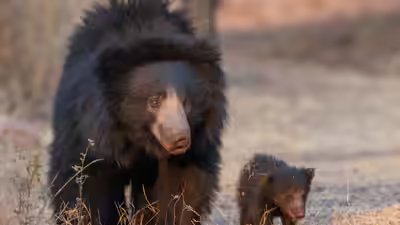
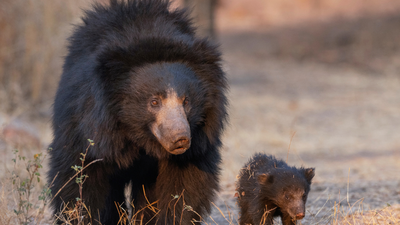
At a short distance from Hampi lies a very different kind of landscape, dry scrub forests, giant granite boulders and cave-filled hillocks where shaggy sloth bears quietly emerge at dusk. Daroji Sloth Bear Sanctuary is not a conventional safari park or a full-day jungle experience. It is a tightly controlled wildlife sanctuary built specifically for one animal: the Indian sloth bear.Declared in 1994, Daroji is considered the first sanctuary in India and Asia created exclusively for sloth bear conservation. Today, it protects one of the world’s largest free-ranging populations of the species, with an estimated 120-150 bears roaming its rocky terrain.The experience here is simple but memorable, arrive in the late afternoon, sit inside a jeep, and watch bears emerge from the caves and disappear into scrub by sunset. But because this is a protected wildlife zone, there are some rules about what visitors can and cannot do.
Where this sanctuary is and what travellers can experience here?
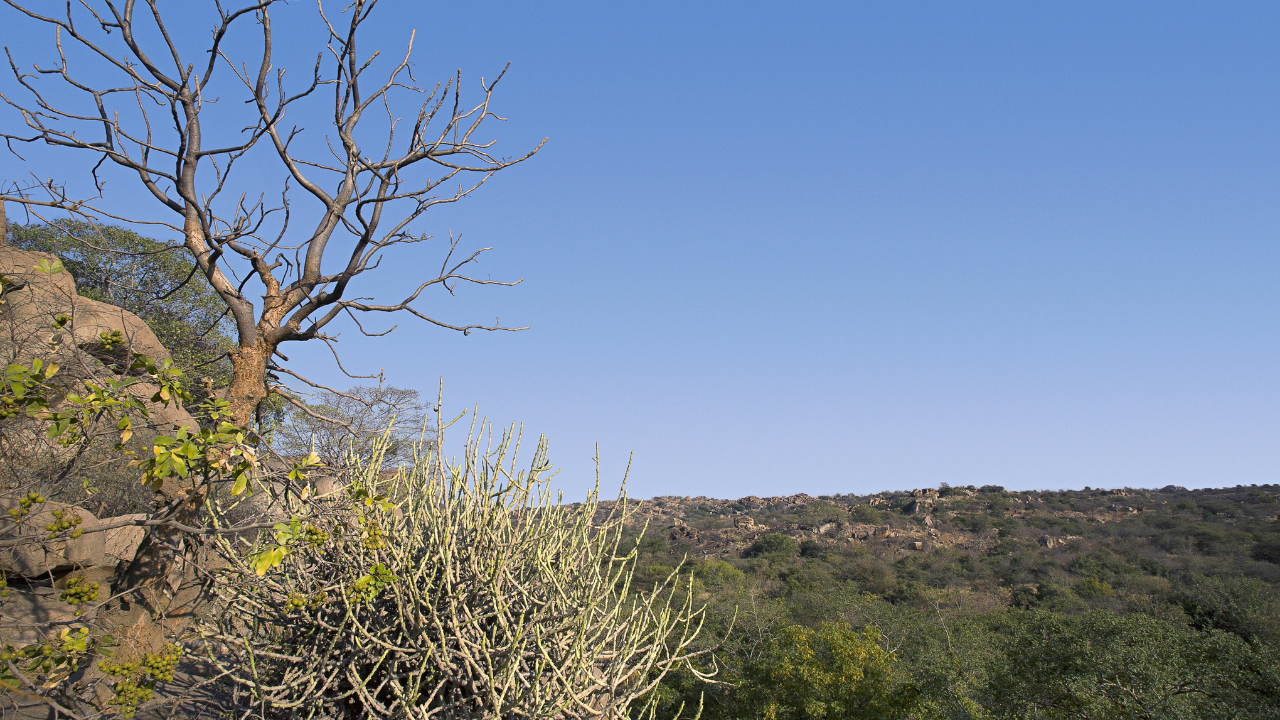
Image Credit: Canva
The sanctuary lies in Ballari district of Karnataka, around 15 km from Hampi and about 20 km from Hosapete. Spread across nearly 82.7 sq km, it occupies a rugged landscape of thorn forests, rocky outcrops and cave systems between the villages of Daroji and Ramasagar.The main activity is the evening safari as the best bear sightings happen closer to dusk when temperatures cool down and the animals become active. The centrepiece is the sanctuary’s watchtower, where people quietly wait while guides scan the slopes for movement.
Things you can do at Daroji Sloth Bear Sanctuary
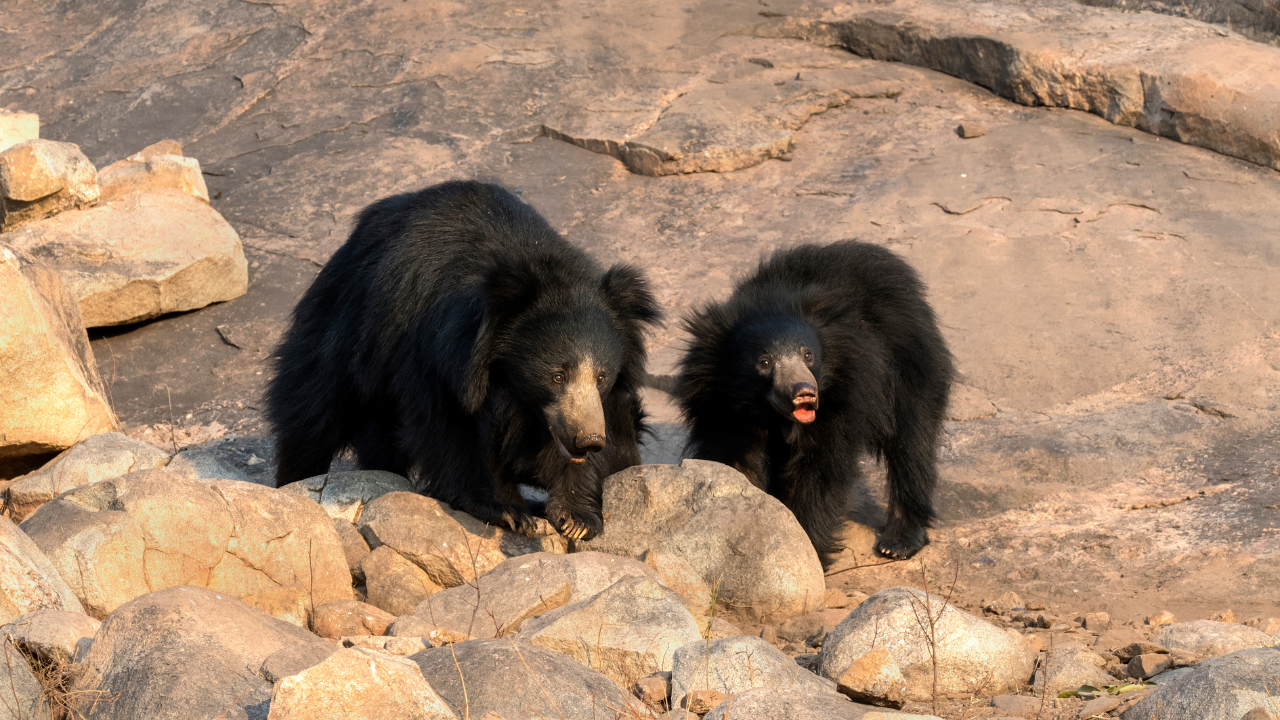
Image Credit: Canva
1. Take an authorised jeep safari
Visitors are encouraged to use only forest-approved jeeps or safaris arranged through Karnataka tourism operators and local nature camps. Drivers and guides know the designated routes and are aware of animal behaviour patterns which improves safety and sighting chances.
2. Spend time quietly at the watchtower
Daroji rewards patience. The longer you stay still and quiet at the watchtower, the higher the chance of spotting multiple bears moving across the slopes.
3. Join guided wildlife or birding tours
Naturalist-led tours help travellers understand sloth bear behaviour, scrub ecology and birdlife instead of treating the sanctuary like a quick photo stop. Birdwatchers can look for peafowl, painted spurfowl, sandgrouse, raptors and yellow-throated bulbuls among the thorn forests.
4. Photograph wildlife responsibly
Photography is allowed and highly popular here, especially because the rocky landscape photographs beautifully during golden hour. The place has photography hides accessible with special permissions. Use of flash should be avoided.
5. Treat it as a conservation experience
The sanctuary exists primarily to protect a vulnerable species threatened by habitat loss and conflict, so travellers are advised to treat it like a responsible wildlife experience.
Things you cannot do at Daroji
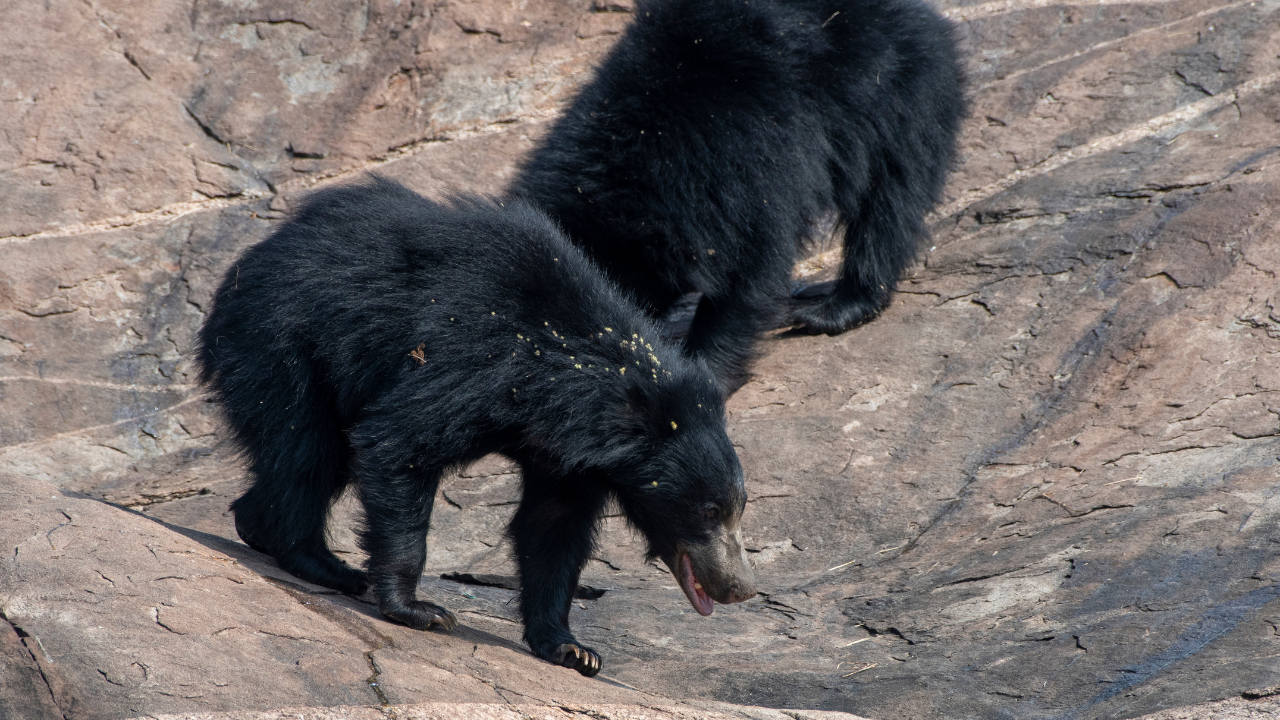
Image Credit: Canva
1. Do not roam around in the sanctuary
Trekking or roaming inside the core area of the sanctuary is prohibited. You must stay within the vehicle and watchtower areas.
2. No entry after official timings
No entry at nights except for staff and monitoring teams. Visitors arriving too late are often denied access. So, plan and reach on time to experience the safari.
3. Do not approach or feed wildlife
Avoid approaching bears for photographs or feeding them for safety reasons. Sloth bears are unpredictable wild animals and can become aggressive.
4. No loud noise or music
Making noise, shouting, clapping, or music is a big no no. Bears are naturally shy and hide into caves if disturbed. Therefore, the experience relies heavily on silence.
5. No littering or plastic dumping
Any sort of littering or throwing of plastic bottles, wrappers is discouraged. Visitors are expected to act responsibly and carry the waste back with them after the trip.
Practical tips before visiting
When to go: Best season is from October to March for cooler weather and better sightingTimings: It is usually open between 2-6pm, for better sighting go closer to sunsetDuration: Keep around 2-3 hours in from your schedule to experience it fullyCarry: Water, binoculars, camera and snacks for a delightful experienceWear: Comfortable and muted coloured clothesStay at: You can stay in Hampi or Hosapete and visit Daroji as an evening outing.