When Desis bring home the Dollars
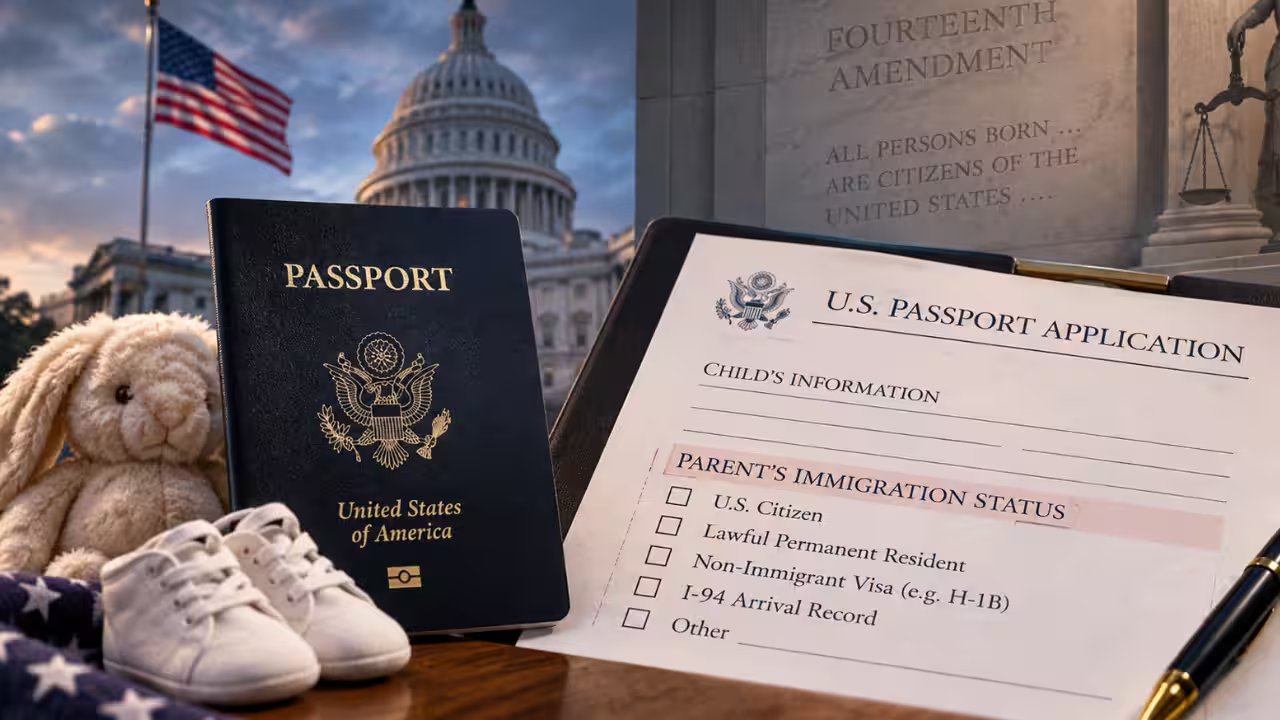
What do passports, billions of dollars and an Indian cowboy have in common? They all feature in this week’s TOI Bharat Abroad. From a fresh US immigration headache and a record NRI money rush to an Indian-origin executive taking over Adobe, the diaspora has had quite the week. And yes, there’s also a seven-year-old taking exams meant for teenagers.
So, without further ado, let’s go.
THE BIG STORY
Born American? Now prove your parents’ immigration status
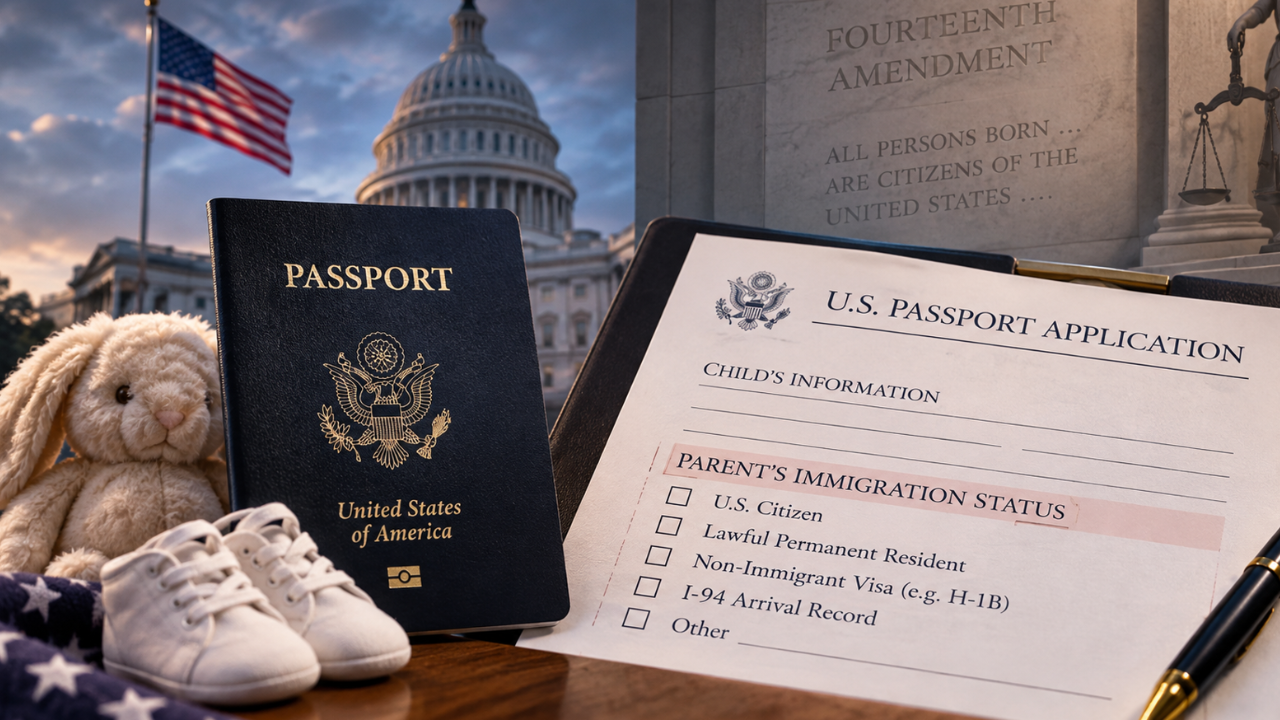

A US passport application has always been fairly straightforward: prove the child is yours, prove who you are, and fill in the forms.
Now, under a proposal being considered by the Trump administration, parents could have one more question to answer: what exactly is your immigration status?
The move is the latest twist in President Donald Trump’s campaign to restrict birthright citizenship, and it could bring the immigration status of parents into the passport process for the first time.
The big picture
The US State Department is considering guidance that would require parents or legal guardians applying for passports for their children to provide evidence of their own citizenship or immigration status. That could include a US passport or birth certificate for citizens, or documents such as an I-94 arrival record or green card for non-citizens.
The proposal is designed to implement Trump’s August 6 executive order, which seeks to deny citizenship in certain cases involving children born to parents who fall into specific categories, including some foreign-government employees and cases involving fraud or commercial arrangements to obtain citizenship.
It is only a proposal for now, and the order itself is facing legal challenges.
Why it matters
For Indian families in the US, the change could make a routine piece of paperwork considerably more consequential.
A child born in America can currently obtain a US passport without their parents having to submit separate proof of their own citizenship or immigration status. Under the proposed system, that could change.
That matters particularly in a community where many families have parents on temporary work visas, including H-1Bs, or are navigating the long road towards permanent residency.
The bigger battle, however, is constitutional. The Fourteenth Amendment has long underpinned birthright citizenship, and the Supreme Court struck down Trump’s earlier attempt to restrict it in June.
The passport may be the document in question, but the argument is about something much larger: who gets to be American from birth.
NRI WATCH
The Desi hand behind Adobe’s next chapter


Adobe is getting a new boss, but the Indian connection at the top is not going anywhere.
Anil Chakravarthy, an Indian-origin technology executive who joined Adobe in 2020, will become the software giant’s president and CEO on December 1, succeeding Shantanu Narayen after nearly two decades in charge.
Narayen, who became Adobe CEO in 2007, will move into the role of executive chairman. Under his leadership, the company transformed from a maker of boxed creative software into a major cloud and digital-services business.
Chakravarthy has already spent years at the heart of that transformation. He currently leads Adobe’s Customer Experience Orchestration business, overseeing products and services designed to help companies manage how they interact with customers across digital platforms.
His appointment means Adobe’s top job is effectively staying in Desi hands.
For the Indian diaspora, it is another striking example of how far the community has travelled in corporate America. From engineers and coders to the corner offices of Silicon Valley, Indian-origin executives have become increasingly visible at the highest levels of global technology.
At Adobe, at least, the succession plan comes with a familiar face.
OFFBEAT
The NRIs who came to the rupee’s rescue

The Indian diaspora has sent money home for decades. This time, it helped give the Reserve Bank of India something it badly wanted: dollars.
A special foreign-currency deposit scheme aimed at attracting overseas funds brought in a staggering $127.23 billion from non-residents. Together with other foreign-exchange inflows, the effort helped push India’s reserves to a record $729.33 billion by August 21.
The influx was so large that it created a new problem.
India’s banking system was left swimming in rupee liquidity, with the surplus reaching a record Rs 9.7 trillion, or about $103 billion, on September 3.
The RBI is now looking at ways to absorb some of that excess cash without destabilising markets.
The rupee has already benefited. It closed at a 10-week high against the dollar on Thursday, helped by the stronger-than-expected inflows.
So, for once, the story is not about Indians chasing dollars.
It is about dollars coming home.
DID YOU KNOW


NRI SPOTLIGHT


LEMONCHILLI.NEWS


News that hits like a meme, but sticks like a fact. For more, visit LemonChilli.News
Disclaimer
Views expressed above are the author’s own.