How Modi and Xi are preparing for an unpredictable America
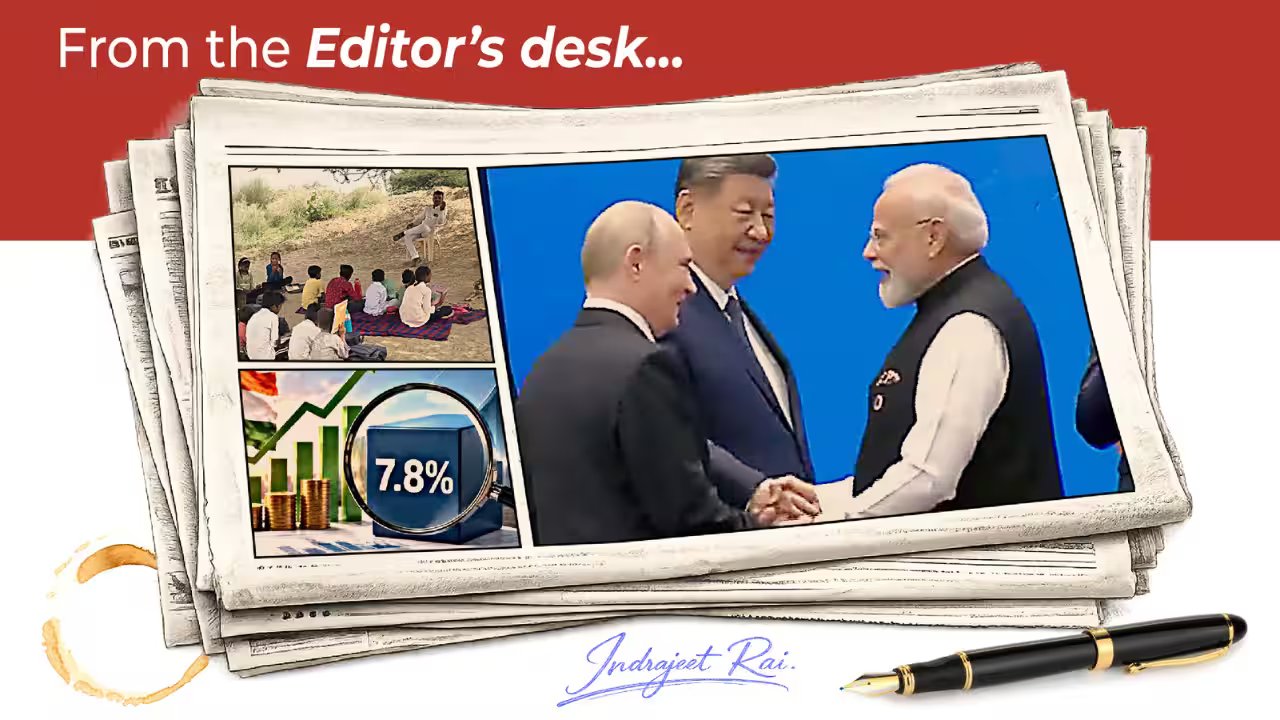
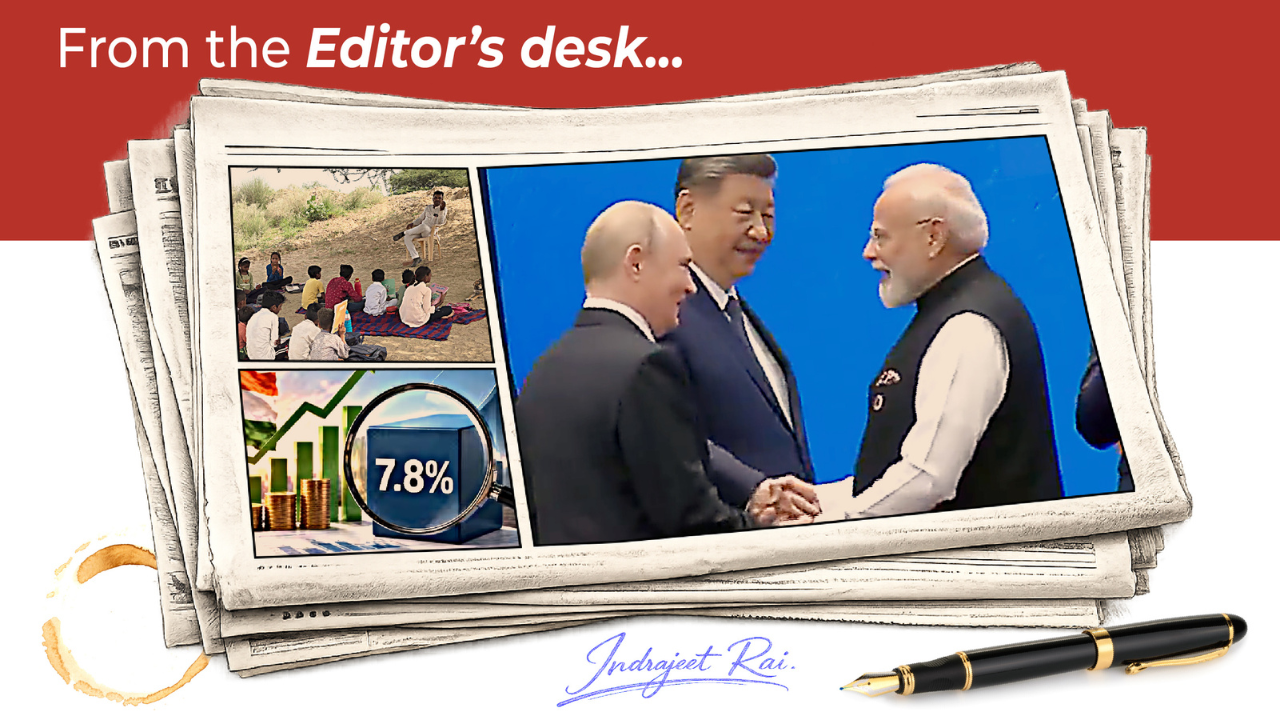

This week, we are tracking:
- Modi, Xi and the art of Trump-proofing foreign policy
- The TOI went back to school: Don’t be shocked by what we found
- 7.8% growth, a Rs 6 lakh crore revision and the GDP puzzle explained
- ‘Eye in the sky’: Isro’s EOS-05 gives India a strategic edge
The age of Trump: How Modi and Xi are preparing for an unpredictable America
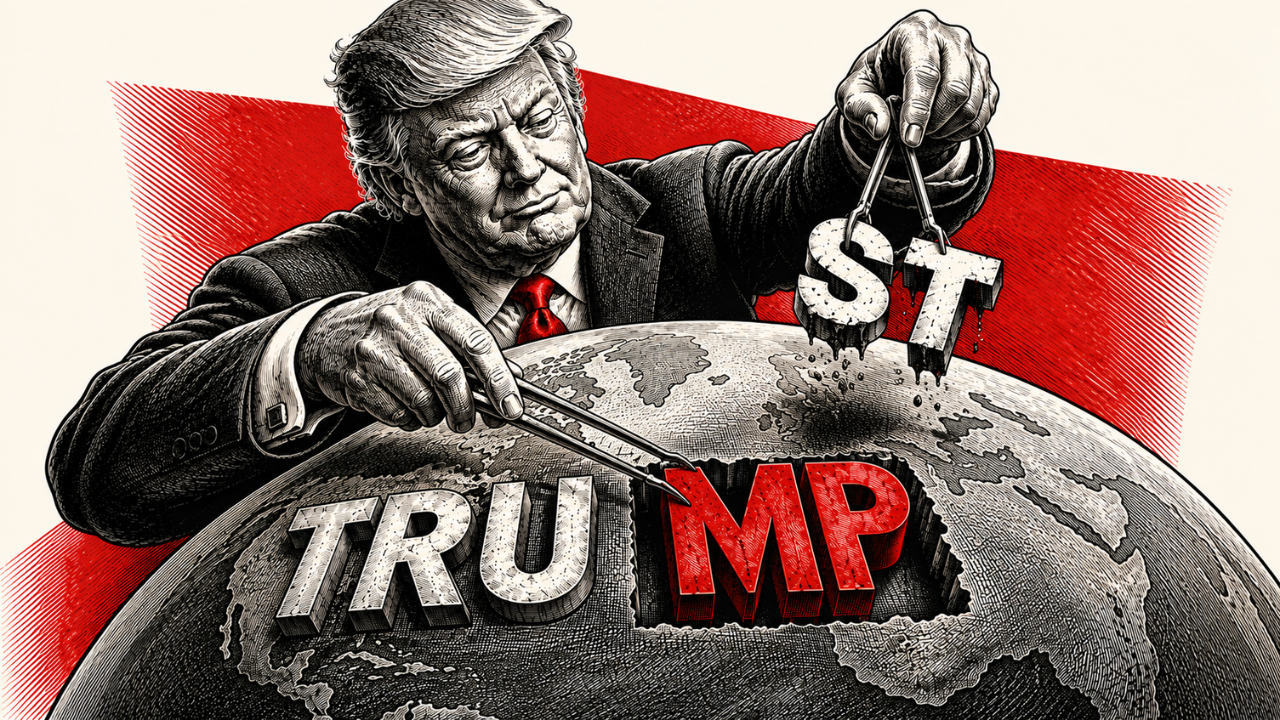
PM Narendra Modi and Chinese President Xi Jinping are dealing with the unpredictability of US President Donald Trump in their own ways.
Modi is spreading India’s bets through trade deals and targeted partnerships. In 2025, PM Modi visited 23 countries. In 2026, he’s already travelled to 15 nations till now. As the New York Times laid out in an article, PM Modi’s frenetic travel schedule since August 2025 is really about hedging. As Trump became unpredictable, PM Modi went shopping for alternatives: Submarine technology from Germany, student visas from France, cheaper Scotch from the UK, a blockbuster free-trade agreement with the EU and shipbuilding help from South Korea.
It’s not that India is turning away from America. It’s following what some analysts call “plurilateral” foreign policy.
Xi’s long game
Xi is playing a different, and a long game. He has anointed himself the president-for-life. For the last few years, he has been too busy dealing with internal challenges. This is why he has been purging PLA generals like a pack of cards.
But this year, Xi is suddenly on the move. This September, he’s racking up his busiest travel stretch in more than seven years. After attending the SCO summit in Kyrgyzstan, Xi will be in India for the BRICS summit.
With its leverage over rare earth metals, China is now powerful enough to challenge the US. As the US is becoming more unpredictable, Xi wants to pitch China as a reliable partner.
The Washington destination
Ultimately, both strategies lead back to Washington. Modi wants a stable US relationship without allowing Trump to dictate India’s partnerships. Xi wants to manage trade and technology tensions while trying to make the world more Chinese.
That is the paradox of the Trump era. The more unpredictable America becomes, the more actively other powers court the rest of the world.
Read more:
Watch: PM Modi shares warm handshakes with Xi, Putin at SCO Summit
Galwan, Doklam general axed by Xi: Zhao Zongqi removed from China’s top advisory body
China’s Xi Jinping to visit India with 400-member delegation for Brics: Report
TOI’s ground report: When going to school does not mean finding a classroom
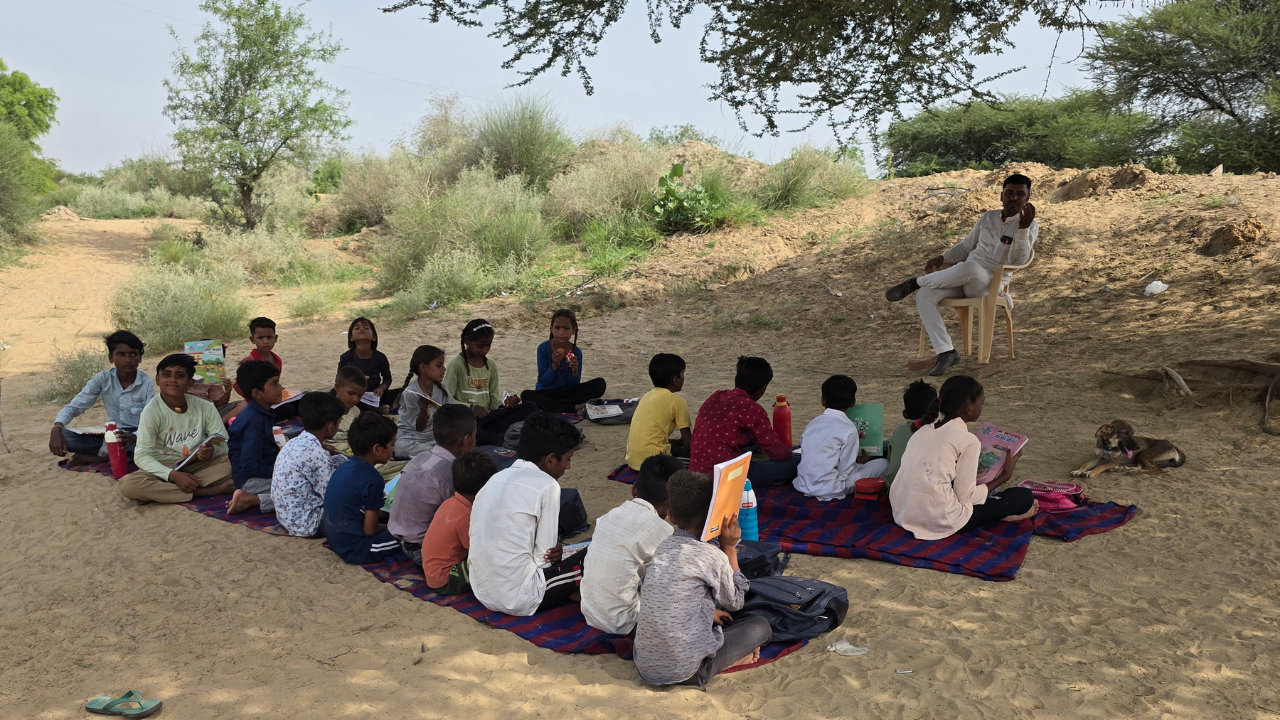
If you want to know what’s actually happening in government schools across India, don’t wait for CJP volunteers to go for a surprise check. Don’t just read government reports too. The TOI has done this for you. The TOI reporters fanned out across many states, and what they found makes for uncomfortable watching and reading.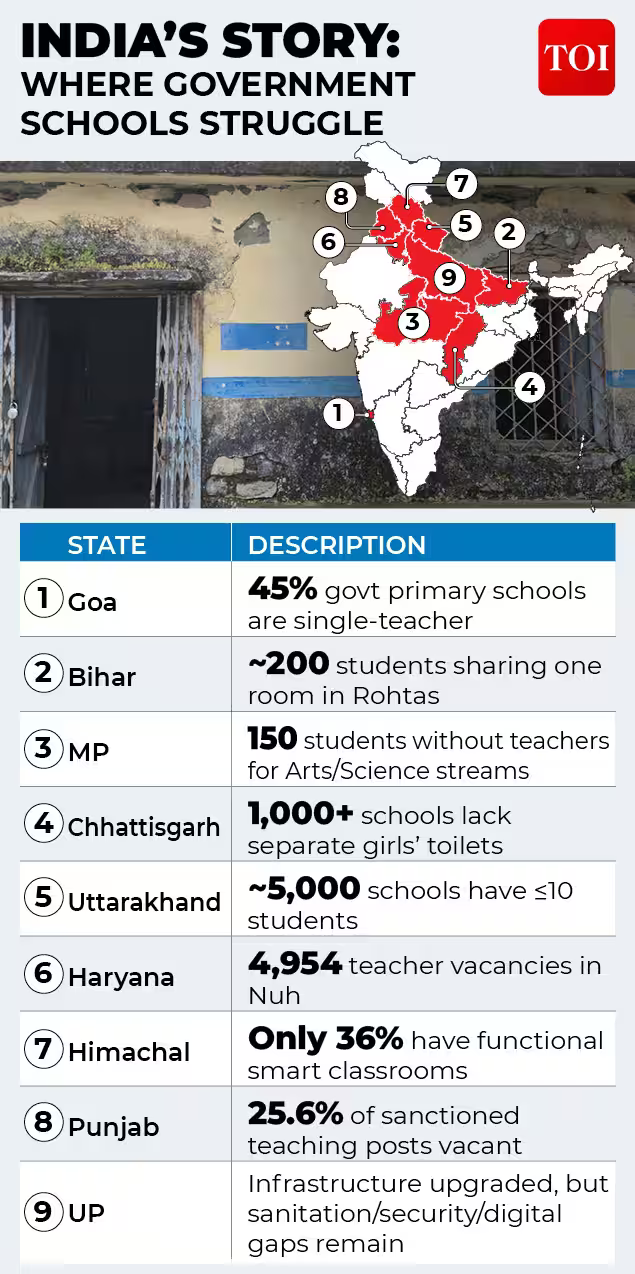

The missing basics
Start in Kota: The city that sells India’s most famous coaching-centre dream. A few kilometres from where lakhs of students cram for JEE and NEET, 78 government-school kids attend classes in municipal parking kiosks and under tin sheds, taught by three teachers on deputation because no permanent posts exist.
It’s not an isolated case. The problem travels across state borders. In Bihar’s Doiya village, nearly 200 students share one room while cattle occupy two others. In Uttarakhand, buckets and umbrellas have become classroom fixtures because roofs leak during the rains.
In some places, the building exists, but the teacher does not.
What Keralam gets right
There are encouraging examples too. Keralam offers the clearest counterpoint. Sustained public investment has created 45,000 hi-tech classrooms and more than 11,000 hi-tech laboratories.
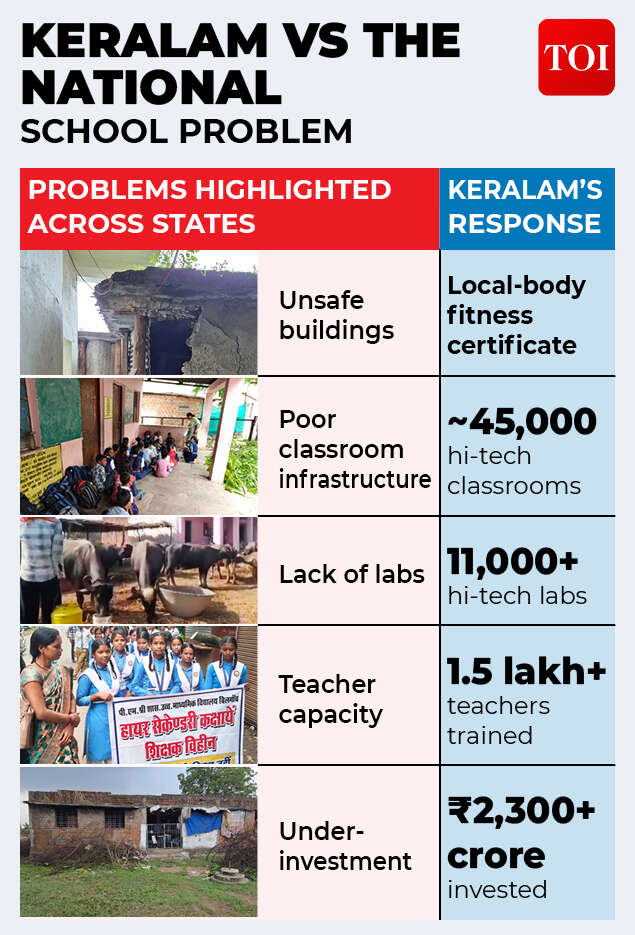

PS: Education reform cannot end with schemes, dashboards or smart-school labels. Before a classroom becomes digital, it must first be safe, open and have a teacher.
Read more:
TOI ground report from across India: When school means buffaloes and buckets
More teachers, better access, fewer pupils: India’s government school paradox
The great GDP debate: Is India really growing at 7.8%?
India’s economy grew 7.8% in the April-June quarter. Normally, that would be a fairly straightforward headline. Except this time, the number immediately produced another question: 7.8%, but compared with what?
Rs 6 lakh crore difference
The debate started because last year’s nominal GDP number for the same quarter has changed rather dramatically. Under the old GDP series, April-June 2025 GDP at current prices was estimated at Rs 86.05 lakh crore. Under the latest series, that figure is now around Rs 80 lakh crore.
That Rs 6 lakh crore difference has triggered an unusually technical argument about India’s growth story. Former finance secretary Subhash Chandra Garg argued that had the old Rs 86 lakh crore number remained untouched, nominal GDP growth this year would have been only about 2.6%, with real growth close to zero.
The government says such a comparison is simply wrong.
First, what exactly changed
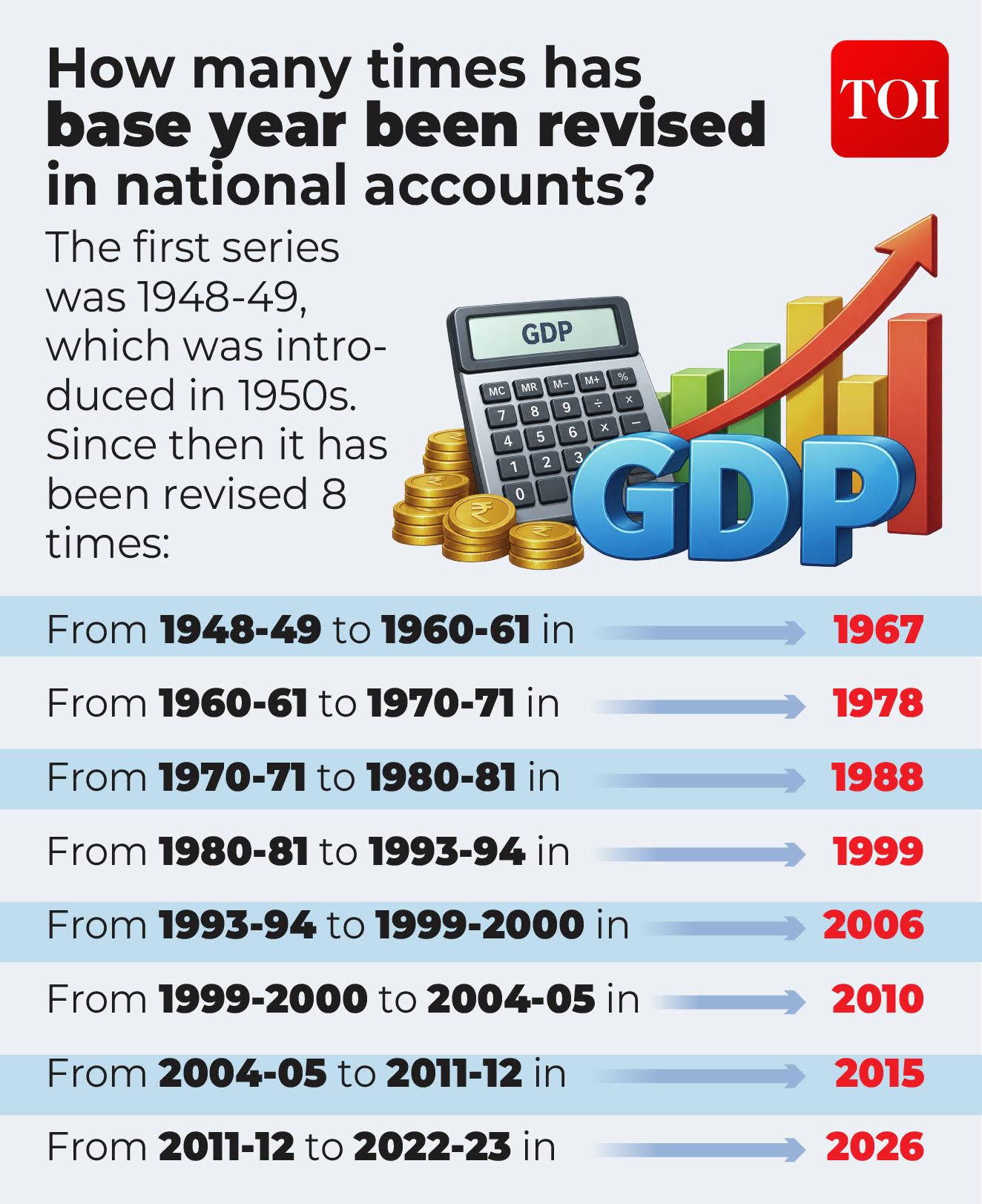

Earlier this year, the government changed the base year used for GDP from 2011-12 to 2022-23. The new series incorporates updated information, including a new Producer Price Index, a revised Index of Industrial Production, a Banking Services Price Index, and additional administrative data.
That is why, the statistics ministry says, the Rs 86.05 lakh crore number and the Rs 80 lakh crore number effectively belong to two different statistical frameworks and should not be placed side by side to calculate growth.
Then comes the inflation puzzle
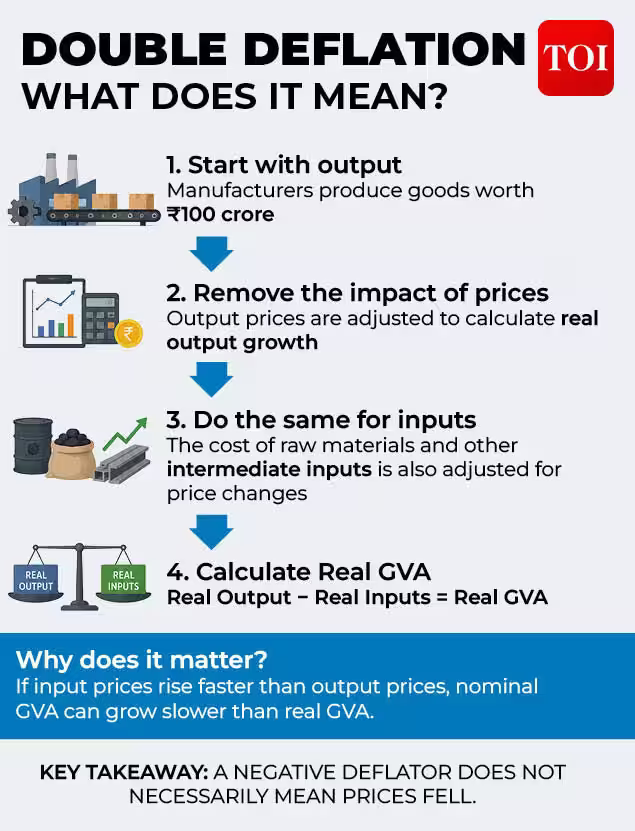

There is another number bothering economists: 2.5%.
Nominal GDP grew around 10.3%, while real GDP grew 7.8%. That implies a GDP deflator of around 2.5%.
But consumer inflation averaged around 3.9%, while wholesale inflation was much higher.
How can economy-wide inflation be only 2.5%?
The answer is that CPI, WPI, and the GDP deflator do not measure the same thing.
And under the new series, the number of individual deflators used has jumped from around 180 to more than 300.
So a low GDP deflator does not automatically mean consumer inflation was low. It means the overall price movement embedded in the GDP calculation was different.
So, is 7.8% “for real”?
Independent indicators seem to back the growth story, even as the deflator debate rumbles on. GST collections have grown at double digits for three straight months, hitting nearly Rs 2 lakh crore in August. UPI processed a record 24.5 billion transactions that month. Car sales jumped 36%. Investment (gross fixed capital formation) hit an all-time high, up 11.9%.
SBI’s group chief economist Soumya Kanti Ghosh offers maybe the calmest take: “GDP numbers keep getting revised for years after release anyway. This quarter’s figure won’t be “final” until February 2029. The methodology looks sound; the optics, less so.”
Read more:
Explained: Why India’s 7.8% GDP growth has sparked a maths debate
India’s GDP grows 7.8% in Q1: Factors powering the economy despite global turmoil
UPI gets festive boost: Digital payments hit a record 24.51 billion transactions in August
GST collections jump 14.8% to Rs 1.99 lakh crore in August
India gets a watchtower 36,000km above Earth
In the pre-dawn hours of Friday, ISRO’s GSLV-F17 rocket lifted off from Sriharikota at 2.55 am carrying EOS-05. At 2,367 kg, EOS-05 is the heaviest satellite carried by a GSLV.


Why it matters
Most of India’s Earth-observation satellites sit in low Earth orbit, a few hundred kilometres up, racing around the planet as they shoot pictures. EOS-05 is different. At 36,000 km, it will match Earth’s rotation and effectively hover over the same patch of the planet all day, every day: Less a passing drone, more a watchtower. Isro scientists have taken to calling it simply “the eye in the sky.”
What it can see
Isro has disclosed relatively little about the satellite’s detailed capabilities. Officials, however, say EOS-05 is equipped for multi-band imaging and will provide “strategic data” to the country.
Its persistent view could prove valuable for watching fast-developing events such as cyclones, floods and forest fires. It can also support agriculture, environmental monitoring and disaster-response planning. Unlike a low-orbit satellite, it does not have to wait for its next pass before looking at the region again.
Read more:
Why EOS-05 matters: Isro breaks Gisat jinx, returns to flight & gets 1st success of 2026
24×7 eye on China, Pakistan borders: Why EOS-05 launch on ‘Naughty Boy’ is key to India’s security
‘Outstanding achievement’: PM Modi hails Isro after successful EOS-05 launch
Editor’s picks: Some of our most and must-read articles:
US debt crosses $40 trillion: But who does Uncle Sam owe money to?
PM Modi’s jackets, Rahul’s shirts, Mamata’s sarees: How leaders use fashion for political messaging
India’s GPS problem: Why the armed forces need NavIC to work
Yolo meets SIP: How Gen Z is rewriting money rules & mistakes they should avoid
Disclaimer
Views expressed above are the author’s own.