
Did China cause Nepal’s deadly flash flood?
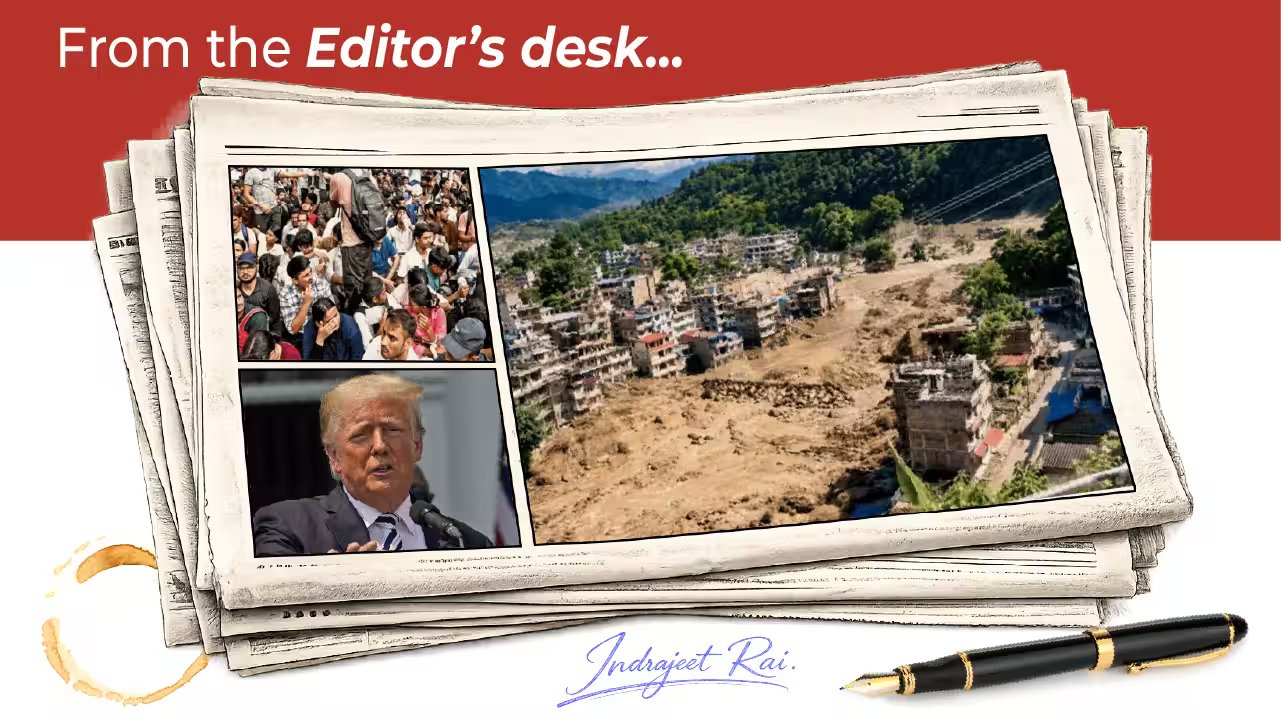
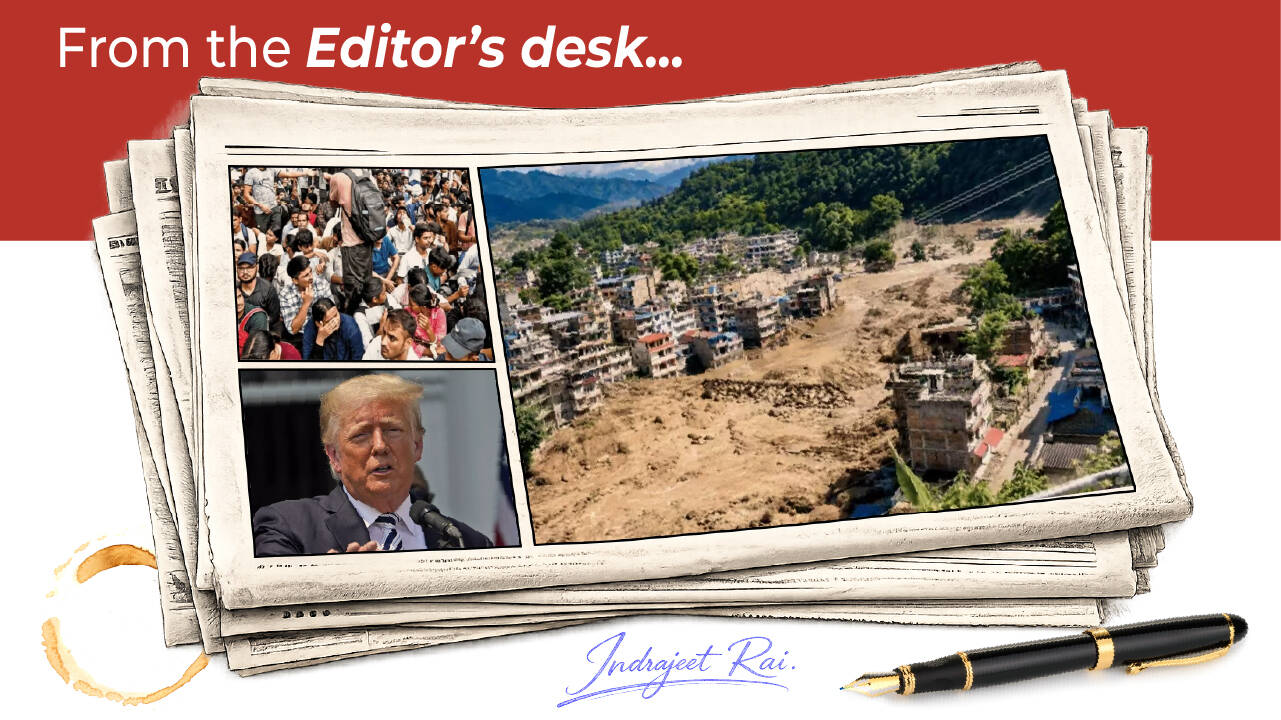

This week, we are tracking:
- When the mountain fell: Did China cause Nepal’s deadly flash flood?
- Trump or Xi Jinping: Who will decide the winner of US-Iran war?
- Gen Z just became India’s biggest political party
- Two hours, then log off: Can Meta really tame the endless scroll?
When the mountain fell: What really unleashed Nepal’s deadly flash flood
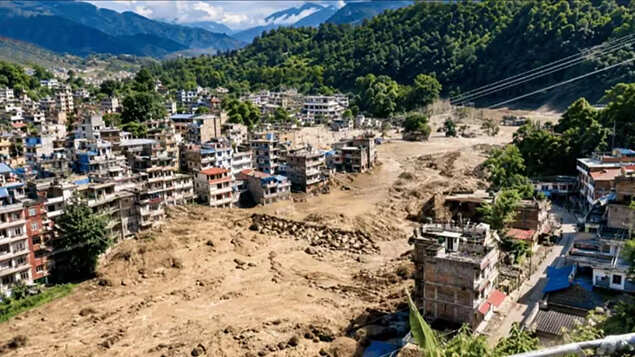

A deadly flash flood swept through the Nepal-China border region on August 26. The death toll has crossed 500 and is likely to rise further. More than 320 Indians remain uncontactable or are still missing.
Mountain ‘tsunami’: How a glacier became a wall of water
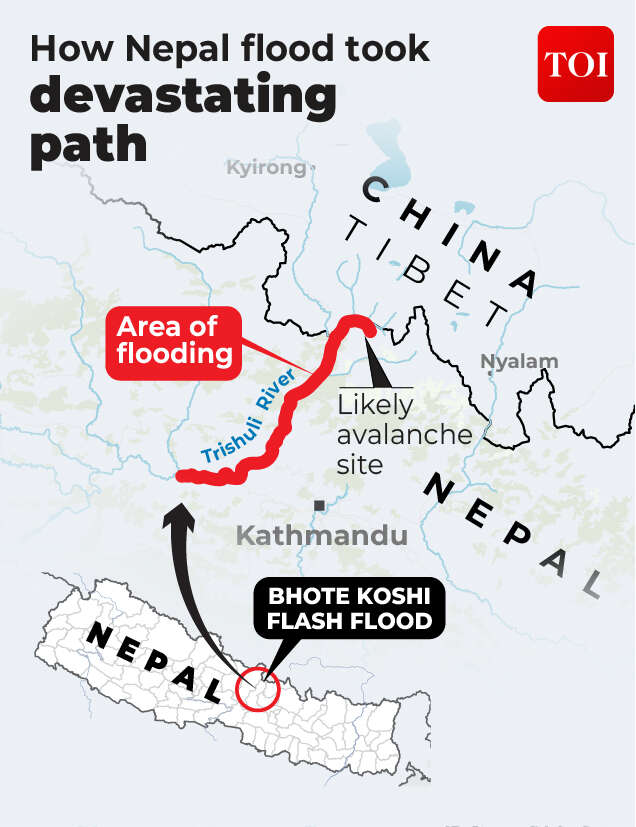

Nepal is susceptible to flash floods due to its mountainous terrain and fast-melting glaciers. According to initial assessment, an “ice avalanche” triggered a series of events that led to the deadly floods.
The disaster began when a huge mass of ice, rock and sediment broke away from a high-altitude glacier and crashed into the valley below, generating a fast-moving torrent that travelled more than 100km downstream.
The result was not an ordinary river flood. It was a fast-moving slurry of water, boulders, mud and ice that surged into the Bhote Koshi and Trishuli river systems. River levels near Galchhi reportedly rose by nine metres in just 30 minutes.
So, China was not behind it?
On the evidence available so far, no. Satellite analysis has found no sign that a Chinese dam failed, was breached or released water to produce the initial surge. But there is no doubt that China’s hydroelectric projects are making the area more disaster-prone.
“It is now clear that the Nepal disaster was caused by a natural trigger (cryospheric collapse) but amplified by Chinese hydrological modifications and infrastructure footprint along the Tibetan side of the border. In other words, China’s upstream actions did not cause the glacier failure but contributed to the disaster’s severity and cascading impacts downstream,” strategic thinker Brahma Chellaney wrote on X.
Read more:
Nepal floods: How two reports warned of this disaster months ago
Fresh flood threat for Nepal as barrier lake breaches near China border
Nepal floods: Whistles, shouts warned Trishuli folks as river rose 30ft in 30 mins
Too much assistance? Why Nepal declined help but agreed for aid from India, China & others
US-Iran war: Can dollar do what bombs and missiles could not?
The US has been raining bombs and missiles on Iran since February. Despite suffering heavy military losses, the Iranian regime remains intact and defiant. Not only that, it has found a “nuke-like” weapon in the Strait of Hormuz. About 20% of global oil used to flow through it before the US launched Operation Epic Fury. Now, no one knows when or whether the strait is open or closed.
As bombs and missiles have failed to dislodge the regime, the Trump admin has decided to use its second most potent weapon: The US dollar. “Let there be no ambiguity as to the position of the United States: An economic engagement of any kind with this murderous regime will expose those responsible to the full reach of American power,” treasury secretary Scott Bessent said while launching Operation Economic Outcast.
Can US dollar do it?
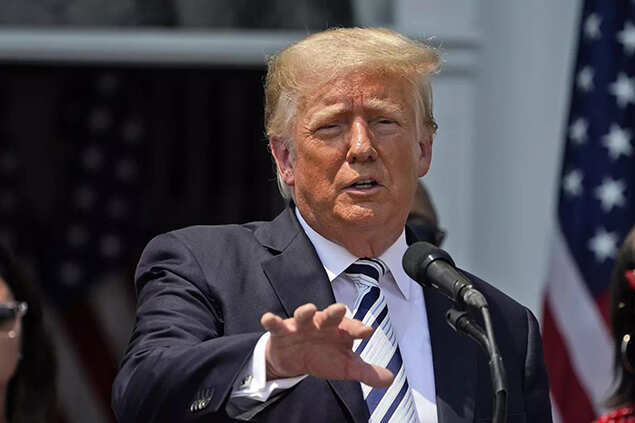

Iran has been under US sanctions for years. It has developed an elaborate shadow network to bypass the sanctions, largely thanks to China and Russia. China is the biggest importer of Iranian oil. It imports nearly 90% of Iranian oil. Beijing is providing indirect military support too. As per a WSJ report, China has helped Iran modernize Shahed, cheap one-way attack drones that have challenged the US and its allies in the Middle East.
US President Donald Trump is set to host his Chinese counterpart Xi Jinping in September. Any secondary sanctions on China may jeopardise Trump-Xi talks. Beijing has already warned the US of retaliation if Chinese companies are subjected to secondary sanctions.
Can the Trump admin afford to act against China for defying US sanctions? If not, then the economic D-Day won’t alter the trajectory of the US-Iran war.
Read more:
China warns US of retaliation if Trump’s ‘Economic D-Day’ sanctions hit their Iran oil trade
Why Trump may have to target China to make its Iran ‘economic D-Day’ work
Trump tightens Iran squeeze, hurting China and India in the process
Reels, rallies and report cards: Why everyone wants to talk to Gen Z
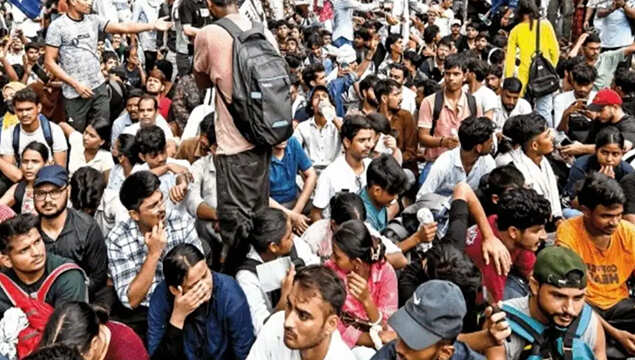

It seems Indian politics has entered a parallel universe. Suddenly, parties are talking about schools, urban infra and other ease of living issues.
Why? It’s all because of the coming of age of a new cohort: The Gen Z
Chhatron Ki Goonj
Rahul Gandhi has shifted from speeches to conversations with his “Chhatron Ki Goonj” tour, engaging students in Kota, Dehradun, Prayagraj and Pune.
Rahul’s outreach is not new. He has done it in the past too. The real story is the format: Q&As, informal conversations and reels.
BJP gets organized
The BJP is not leaving this space uncontested. It has constituted a dedicated team for its proposed Gen Z outreach.
The initiative followed PM Modi’s call for ministers and party leaders to engage directly with young people in universities and government schools. Its precise programme is still taking shape, but the intended message is clear: The BJP wants to hear young voters’ “aspirations, concerns and expectations” and establish a two-way conversation with them.
It is an acknowledgement that an impressive social-media operation alone may no longer be sufficient.
CJP’s politics of inspection
If Rahul is trying conversation and the BJP is building an organisation, the CJP is offering action that can be filmed on a phone.
The group’s “School Thik Karo” campaign encourages volunteers to visit government schools and document inadequate classrooms, teacher shortages and missing facilities.
Why Gen Z matters
By the 2029 Lok Sabha polls, Gen Z could number nearly 380 million, making it India’s largest adult generation. Winning the support and trust of Gen Z may tilt the balance at the hustings.
Read more:
PM Modi’s Gen Z, Gen Alpha outreach: Ministers told to visit universities, govt schools
BJP forms Gen Z outreach team: Nitin Nabin, Smriti Irani and Vinod Tawde among key faces
‘You don’t belong to anyone else, but yourself’: Rahul Gandhi’s message to young women
CJP’s ‘school thik karo’ campaign enters new phase, targets rural school transport
Two hours, then log off: Can Meta really tame the endless scroll?
Endless scrolling has become a bane of life for teenagers across the globe. You can keep scrolling forever but will never reach the end of the feed. Plus, the algo keeps offering you different bouquet to keep you hooked.
Now, it’s going to change for US kids. Meta, though not admitting to any wrongdoing, has decided to put some checks on its ever-refreshing feed.
The big reset
Meta, the parent of Facebook and Instagram, has reached around $18 billion settlement with US states. The deal ends a landmark California trial over allegations that Meta designed its platforms to addict young users, misled the public about the risks and unlawfully collected data from children.
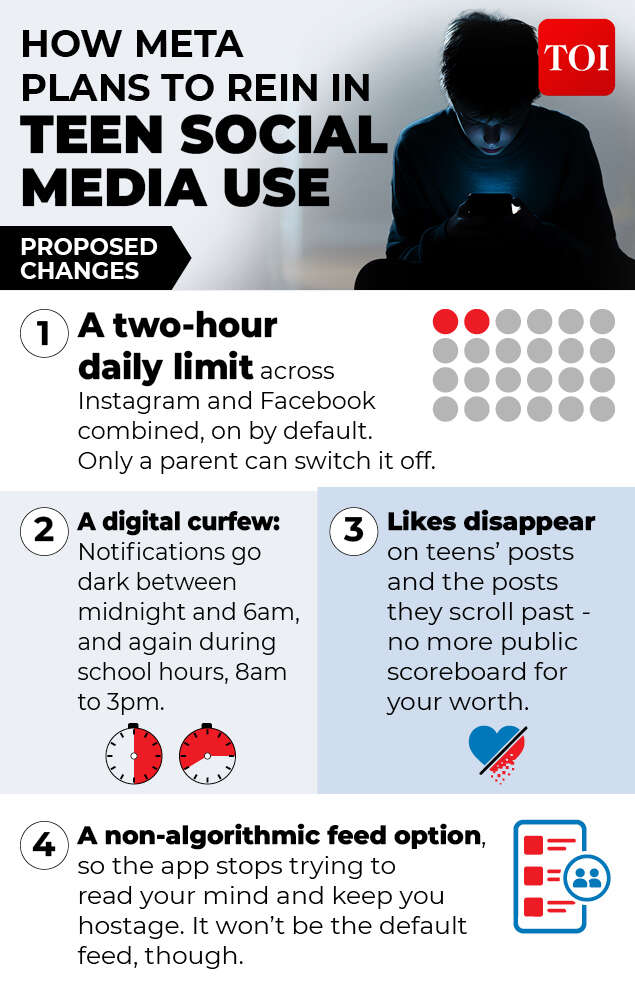

Here’s some of proposed changes:
- A two-hour daily limit across Instagram and Facebook combined, on by default. Only a parent can switch it off.
- A digital curfew: Notifications go dark between midnight and 6am, and again during school hours, 8am to 3pm.
- Likes disappear on teens’ posts and the posts they scroll past – no more public scoreboard for your worth.
- A non-algorithmic feed option, so the app stops trying to read your mind and keep you hostage. It won’t be the default feed, though.
Will teenagers actually change?
Meta alone can’t change the teen behaviour. Teenagers don’t live on one App. App hopping is natural to them. They keep jumping from Insta to YouTube to TikTok to Snapchat and others, in no particular order. It’s endemic.
Unless all social media platforms come together, Meta alone can’t change teen behaviour.
Read more:
Meta-morphosis: FB puts kids on digital detox after coughing up $ 17.1 billion in settlement
29 states vs Meta: How a landmark child safety trial could reshape Facebook and Instagram
Editor’s picks: Some of our most and must-read articles:
Surprise protests, GenZ outreach: Rahul Gandhi’s new playbook after CJP’s success
Raids & kidnapping drills: How Chinese students are preparing for college in Trump’s USA
Explainer: What will actually change for you under UCC
US debt crosses $40 trillion: But who does Uncle Sam owe money to?
US widens Iran sanctions, putting India in the crosshairs
Disclaimer
Views expressed above are the author’s own.