Can Gen Z flash its identity like a union card?
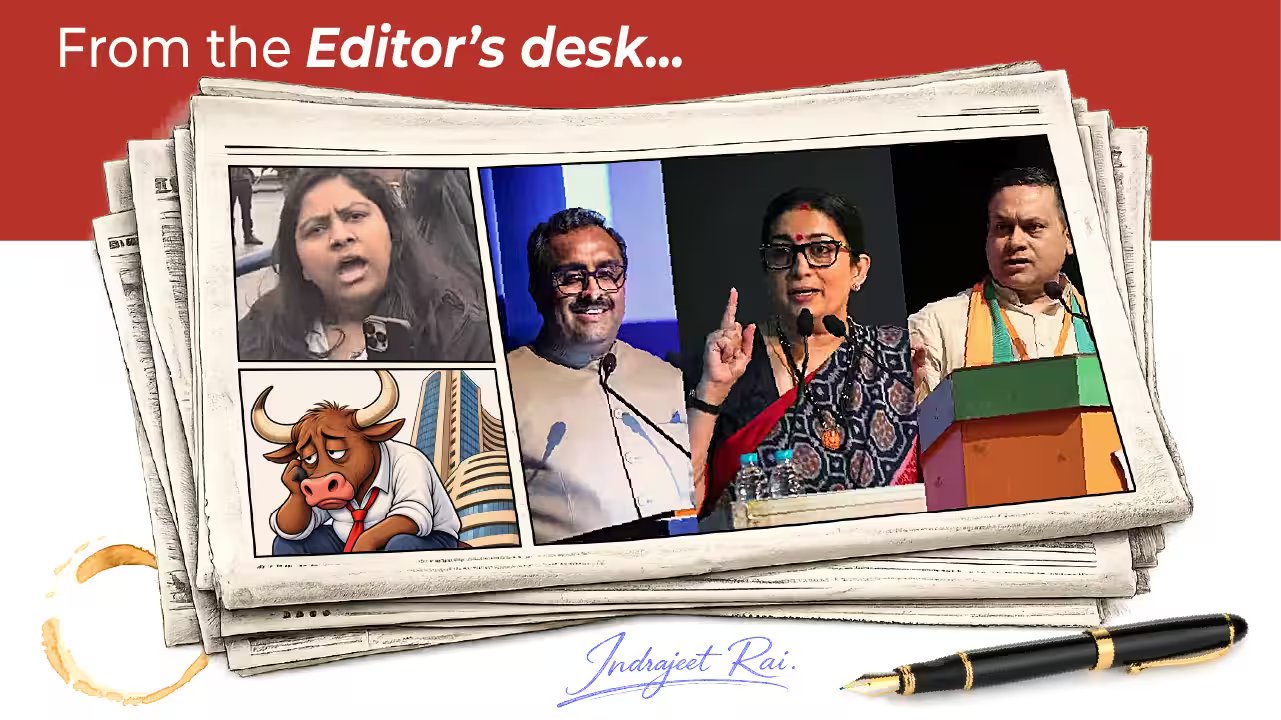
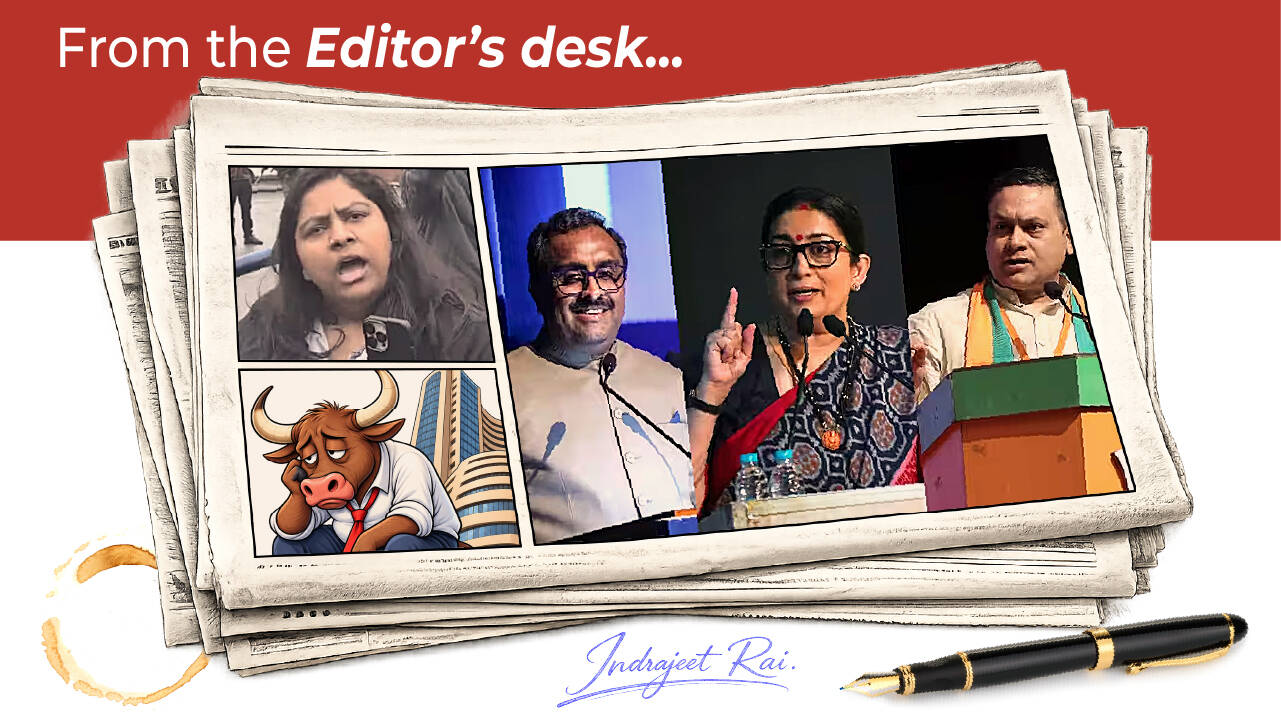

This week, we are tracking:
- Nitin Nabin gets his team. Is Cabinet reshuffle loading?
- ‘We Are Gen Z’: Can an identity become a privilege?
- Why India is not the flavour of the season
- The ‘human printer’ who has Trump’s ear
Gen Z claims another scalp: Amit Malviya out, Cabinet reshuffle buzz grows
No surprises here. After Gen Z protests, it was a matter of when, not why.
Amit Malviya ran BJP’s social media operation for over a decade, effectively building the party’s online war room from scratch. He’s been replaced by Deepak Mhaskey, a chemistry-professor-turned-
Meanwhile, PM Modi is leading by example to increase govt and party’s Gen Z outreach. The ministers and party functionaries have been asked to increase their engagement on social media platforms like LinkedIn, Instagram, X and Facebook.
As part of the outreach, Union ministers will be visiting universities, colleges and interact with students, listen to their issues and brief them about government initiatives for youth.
Nitin’s ‘Nabin’ team
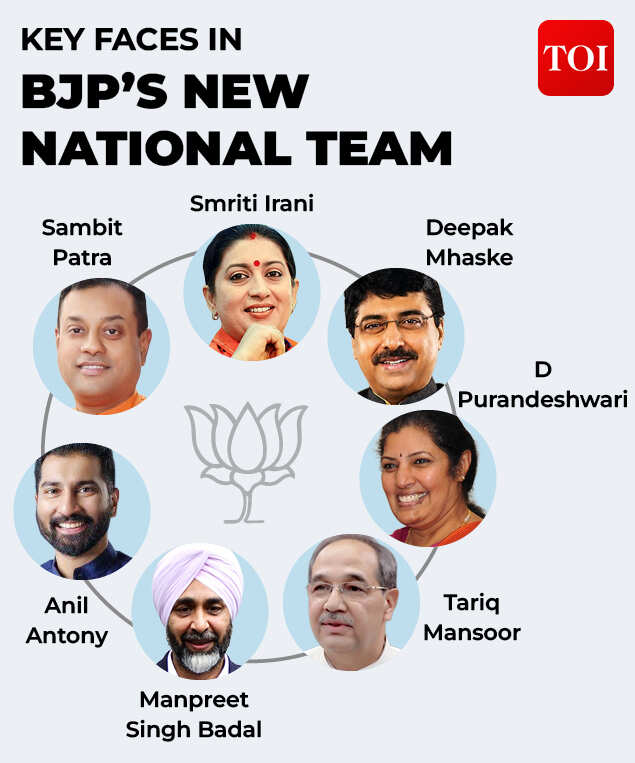

BJP president Nitin Nabin’s new national team appears designed to manage two competing requirements: Bring in fresh faces who understand a changing electorate, while retaining experienced political heavyweights to navigate the elections ahead.
The most interesting appointments are the comebacks. Smriti Irani, largely away from mainstream party work after losing Amethi in 2024, returns as a national general secretary. Ram Madhav is back as a national vice-president after six years outside the party’s top organisational team.
Reshuffle loading?
Is Union minister Piyush Goyal’s return as party treasurer an indicator of a coming Cabinet reshuffle? He held the job before the BJP’s 2014 Lok Sabha victory. The appointment could indicate that the party wants an experienced fundraiser for 2029.
The rejig of BJP’s parliamentary board and national executive is still pending. It may bring its own surprises. We will have to wait and watch.
From protest to privilege: Can Gen Z flash its identity like a union card?


“We are Gen Z and we won’t tolerate this nonsense.”
The video: A woman tourist, stopped at a check post near Dras in Kargil district, arguing with security personnel over traffic restrictions. Her group had been held up for hours because of a VIP movement. Frustrated, she pushed back hard and repeatedly invoked her Gen Z “privilege card” as a ground for exemption.
The protester in the video later apologized for her behaviour. We should not make too much of a single incident. But it does call for introspection.
A class for itself
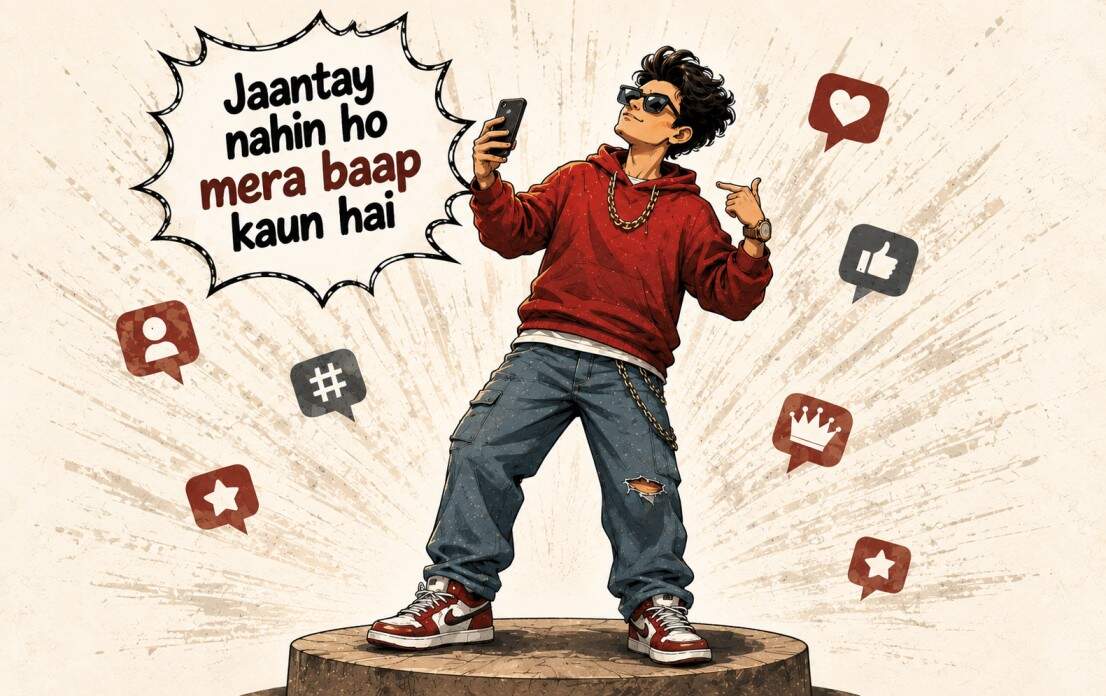

“This “we are Gen Z” has become the new “jaantay nahin ho mera baap kaun hai”. The quickest way to erode any Gen Z goodwill is to start using it as a threat at the slightest perceived affront.” J&K CM Omar Abdullah wrote on X.
Abdullah’s criticism raises an interesting question: When did an age cohort become something one could invoke like a union card?
The answer lies partly in Gen Z’s unusual self-awareness. It’s growing up like Karl Marx’s classic example of “a class for itself”.
That instinct can be politically powerful. Gen Z-led movements have rattled governments across South Asia. In India, student protests over NEET paper leak led to the ouster of Union education minister Dharmendra Pradhan in July.
But Gen Z should be wary of using its identity as a privilege or a union card. The goodwill will not last long.
Anyway, once they join the workforce, it will be business as usual.
No AI, no buy? Why global funds are cooling on India
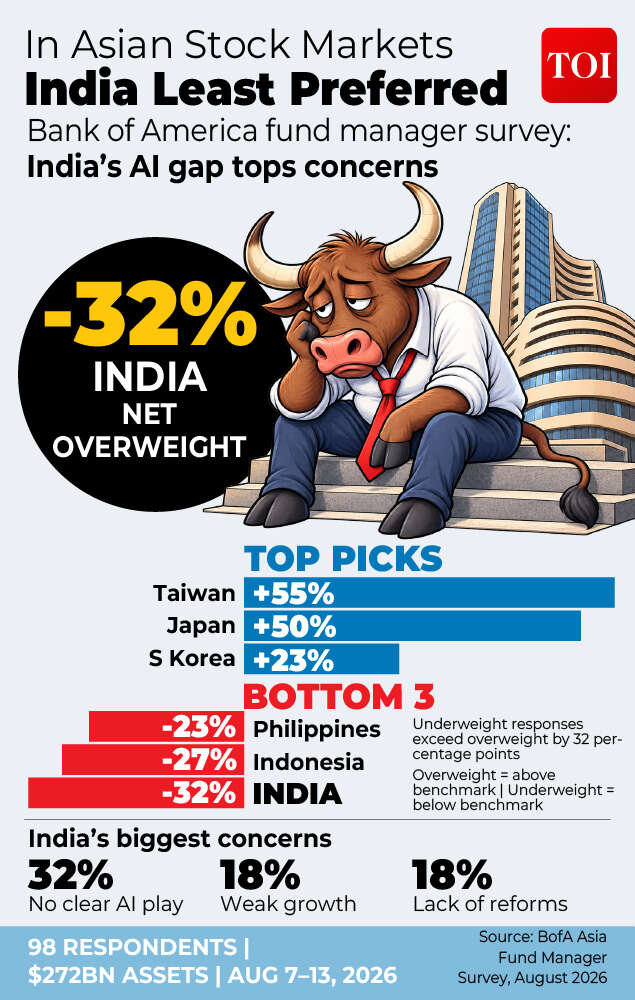

India has been growing at the highest rate among major economies of the world for many years. Its economic fundamentals remain strong. Its equity market, however, is no longer the automatic favourite of global investors.
Bank of America’s August survey of 98 fund managers overseeing $272 billion found that India had replaced Indonesia as the least-preferred stock market in the Asia-Pacific region, excluding Japan.
Why? Because India has no compelling AI narrative. Right now, global money is chasing artificial intelligence. As the BofA survey put it: “The lack of a clear AI exposure remains the key concern for Indian equities, with weak growth emerging as the next most important risk.”
Valuations are another problem. India has traditionally traded at a premium because of its growth, political stability and large domestic market. But investors become less tolerant of that premium when corporate earnings slow. Nine per cent of managers cited high valuations as a worry in August, up from 4% in July.
There is another important cushion, though. Foreign investors may be selling, but domestic mutual funds, retail investors and systematic investment plans continue to support the market. That gives Indian equities a degree of insulation they lacked a decade ago.
Washington’s newest obsession: The aide who never leaves Trump’s side


Every political capital loves intrigue, but Washington excels at it. Its latest object of fascination is Natalie Harp, Donald Trump’s 35-year-old executive assistant.
Harp has been nicknamed the “human printer” because she carries a portable printer and supplies Trump with articles, social-media posts and other material. More importantly, she helps decide which stories, memes and messages reach the president.
Harp’s profile rose dramatically after it emerged that she was among the small group accompanying Trump when he secretly switched aircraft in Turkey following an unspecified security threat. Harp flew with Trump while other cabinet members like Mark Rubio, advisers and journalists continued on the other plane.
Then a Democratic senator waded in. Jon Ossoff, widely seen as eyeing a 2028 presidential run, needled Trump for wanting to “build his ballroom and travel with Natalie”, instead of governing. That one line made the story go mainstream, which had been quietly simmering for months.
None of this is evidence of a romantic relationship. The White House, on its part, has defended Harp as one of Trump’s most loyal and hardworking aides.
But the real Washington question was never about romance. It was about influence: Who gets to whisper in the ear of the most powerful man in the world?
Editor’s picks: Some of our most and must-read articles:
Nasa’s Moon base: Too early to tell where India fits in
Doom! Board lowers the boom on Indian-American CEO who fired 900 employees over Zoom
Think your food brand is safe? These growing food safety raids across cities may change your mind
How long can the world & India absorb the US-Iran war oil shock?
Have we found first exomoon? Strange object forcing astronomers to rethink what a moon is
Disclaimer
Views expressed above are the author’s own.