Two years later, a homecoming pledge in Delhi, turmoil in Dhaka
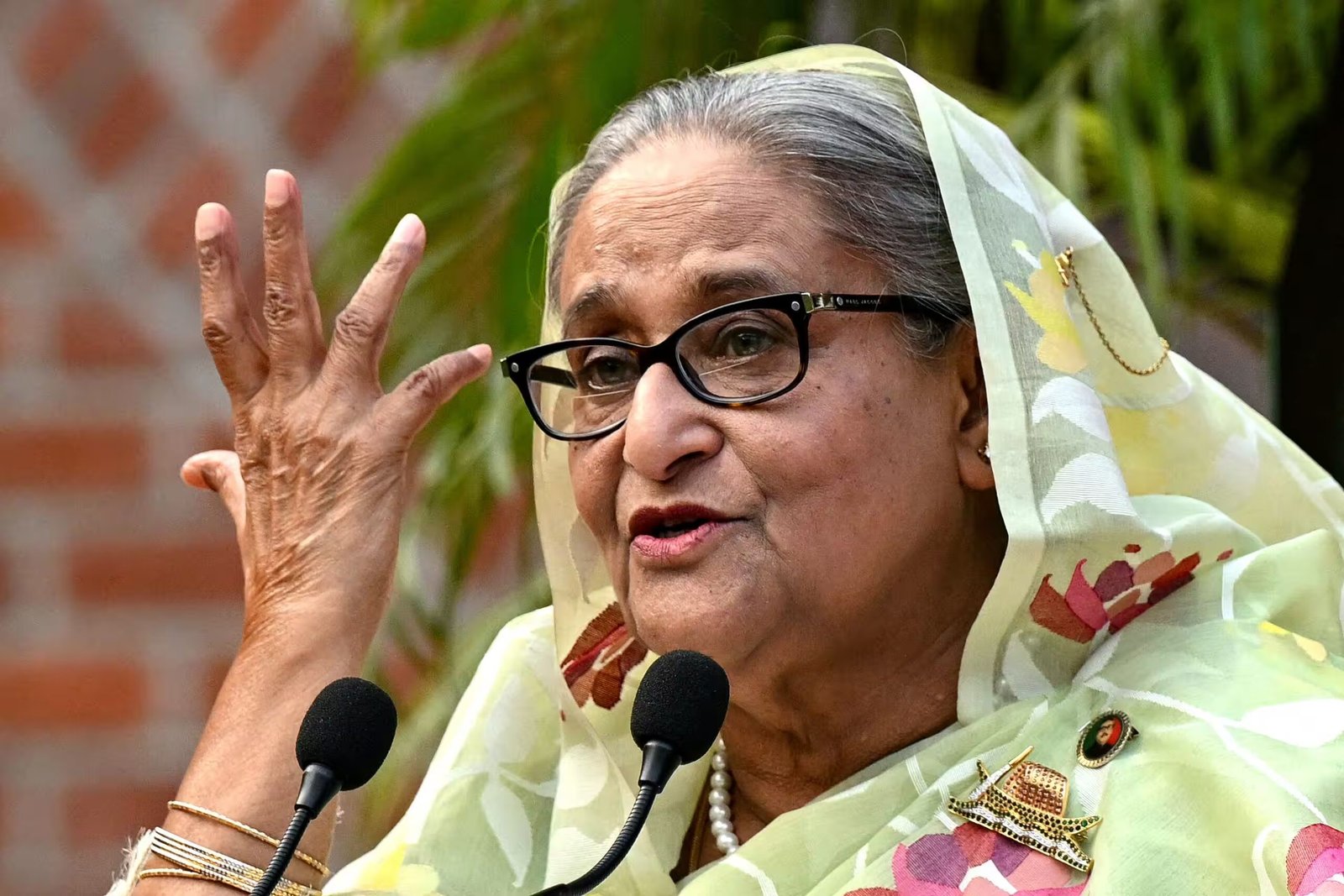
The second anniversary (Aug 5, 2026) of former Prime Minister Sheikh Hasina’s forced ouster from governance and exile from the land of her birth has brought into focus two sharply contrasting images of Bangladesh.
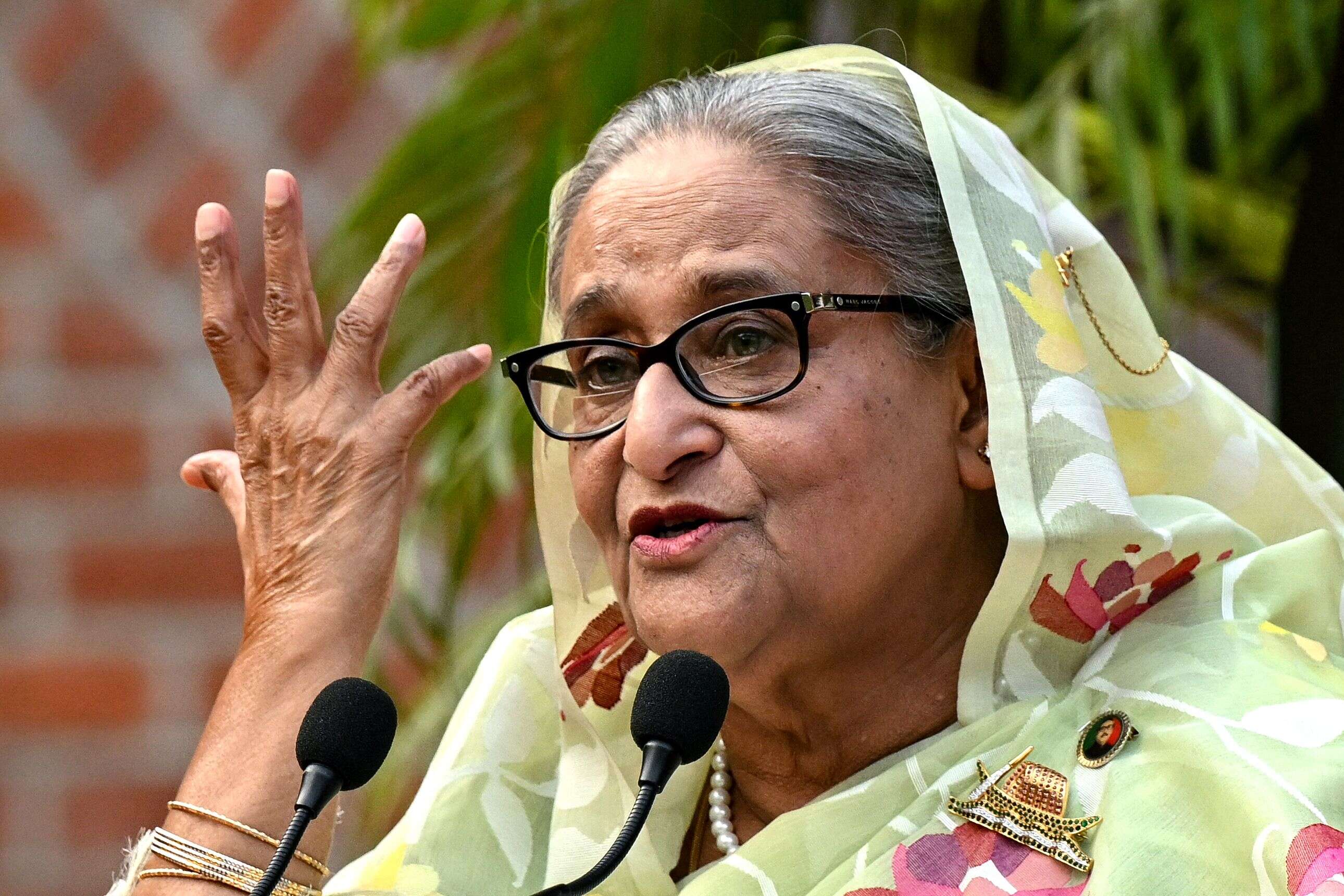
In New Delhi, where she now lives, Sheikh Hasina chose this day to publicly announce, through an audio address, her decision to return to Bangladesh in Dec 2026, the annual commemorative month of the 1971 Liberation War.
At the Foreign Correspondents’ Club in Delhi, Sheikh Hasina spoke confidently, saying that she was ready to face an impartial and full investigation into all aspects of the events of July/Aug 2024 (including the killing of 3,000 police personnel), while decrying the one-sided and, according to her, factually incorrect report put out by a UN agency. She enumerated the rapid decline in Bangladesh over the last two years, through the growing presence of radicalised Islamic extremist groups; impoverishment of the economy; worsening security situation; continuing attacks on religious minorities; and the incarceration without trial of media representatives as well as Awami League leaders and activists.
Significantly, she called for reconciliation and bridging the political divide (actually a chasm) that prevails. She urged lifting the ban on her party, Awami League, and restoring freedom of the media and independence of the judiciary.

Fault lines: Blaming India for not extraditing Sheikh Hasina seems infructuous when she has declared her resolve to return
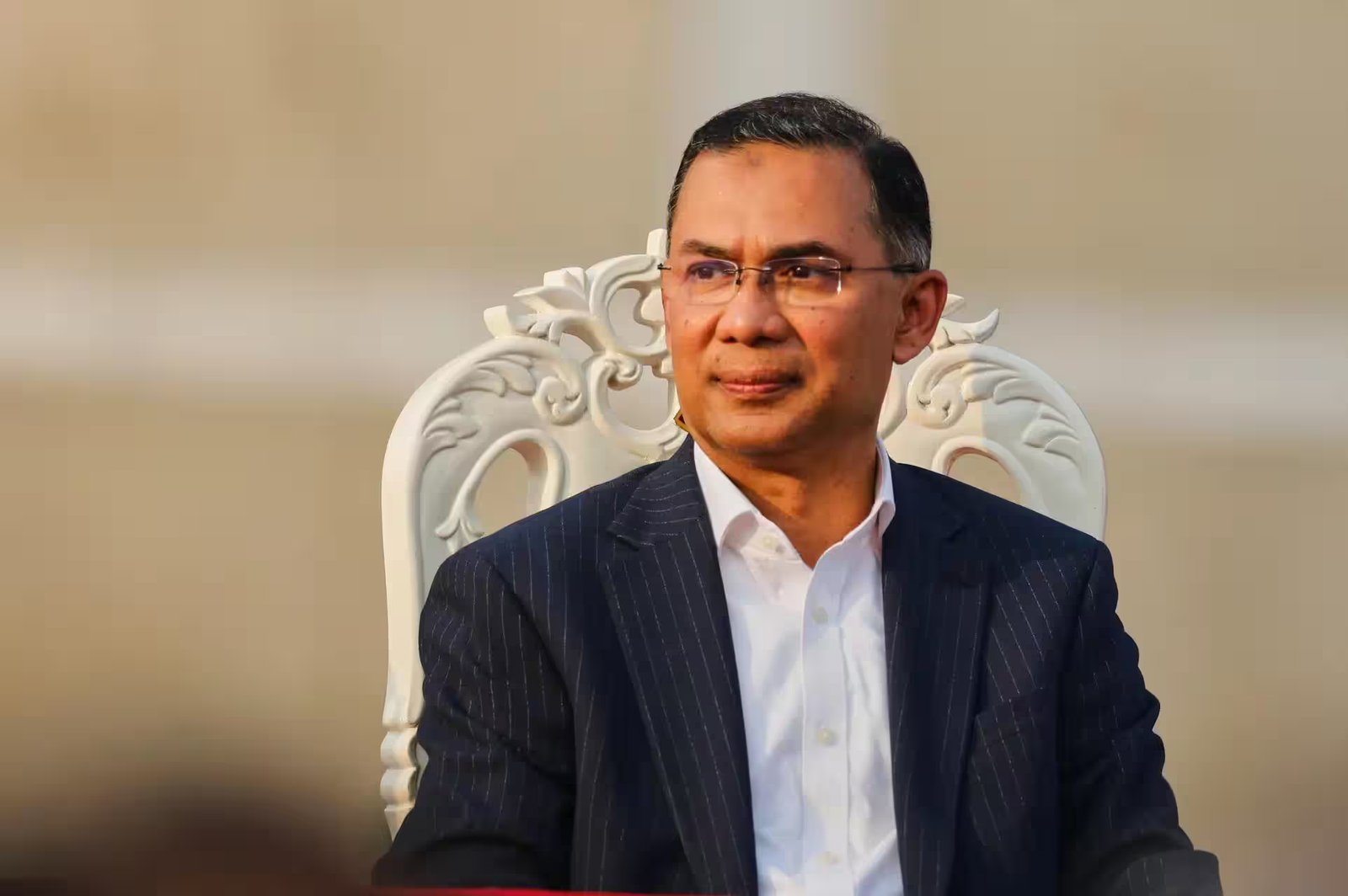
In sharp contrast, events in Dhaka on the same day served only to highlight what appears to be an anarchic situation prevailing in most of Bangladesh. Prime Minister Tarique Rahman’s govt arranged a celebration to mark the second anniversary of what they describe as the ‘July Mass Uprising Day’. They cling to the narrative of a spontaneous students’ uprising, even though former interim chief adviser Mohd Yunus has denied this, asserting (during a speech in New York in Sept 2024) that these events ‘did not just happen’ but were ‘meticulously designed’ by a ‘mastermind’ who was then his private secretary! The formal state celebrations included the screening of a documentary film that sparked a slugfest between the ruling BNP and the group known as the NCP (National Citizen Party), claiming to represent students. Fisticuffs and alleged physical assaults took place inside the auditorium, with the entire leadership, including security forces, standing by helplessly. The embarrassing result was that the diplomatic corps left the event, fearing the violence would spread. Finally, when acting President Hafiz Uddin Ahmad addressed the audience, he expressed regret and said he was ‘ashamed and pained’ to witness such things at a national event.
The disorder at what was intended to be a solemn national commemoration was not an isolated incident. Throughout the ‘celebratory’ period, Bangladesh has been riven by such displays of violence and brazen infighting. University and college campuses have been the primary venues, with Bangladesh Jatiotabadi Chatra Dal (JCD), students’ wing of the BNP, and Bangladesh Islami Chhatra Shibir, students’ wing of Jamaat-e-Islami, fighting for control of the campuses.
The situation has deteriorated to the extent that Jamaat-e-Islami chief Shafiqur Rahman warned that the govt’s “downfall” was inevitable if it ignored public sentiment, adding, “It seems another revolution is imminent. I urge the countrymen to prepare for it”.
To cap it all, PM Tarique Rahman too warned against attempts to destabilise the country, saying that “we need to consider whether knowingly or unknowingly, such actions are facilitating the return of the defeated, deposed and fugitive authoritarian forces”.
A similar nervousness could be seen in the irate Press Note issued by the Bangladesh foreign affairs ministry immediately after Sheikh Hasina’s interaction with the media in Delhi. Seeking to blame India for not extraditing Sheikh Hasina seems infructuous when she herself has declared her resolve to return to Bangladesh.
This nervousness is an indirect acknowledgement that Awami League is rapidly emerging as the single largest political force. Common people, fed up with the sharp downturn in employment, high inflation, daily extortion, and insecurities of life and limb, are openly expressing regret at Sheikh Hasina being forced to leave Bangladesh. No doubt, this has contributed enormously to her resolve to return to Bangladesh.
At this critical juncture, all like-minded govts and individuals interested in stability, prosperity, and democracy in Bangladesh should come together to bring about reconciliation and stop this mindless descent into conflict and violence that once again threatens the future of this nation.
This piece appeared as an editorial opinion in the print edition of The Times of India.