Birthright battle returns and who pays H-1Bs workers the most
Building a life abroad often means living between opportunity and uncertainty. That tension runs through this week’s edition. The White House is making another run at birthright citizenship. New data challenges the myth of the underpaid H-1B worker by revealing which companies pay the highest salaries. And a teenager with roots in Gujarat is preparing to tour India in Australian colours.
Let’s go.
THE BIG STORY
Trump’s Plan B for birthright citizenship battle
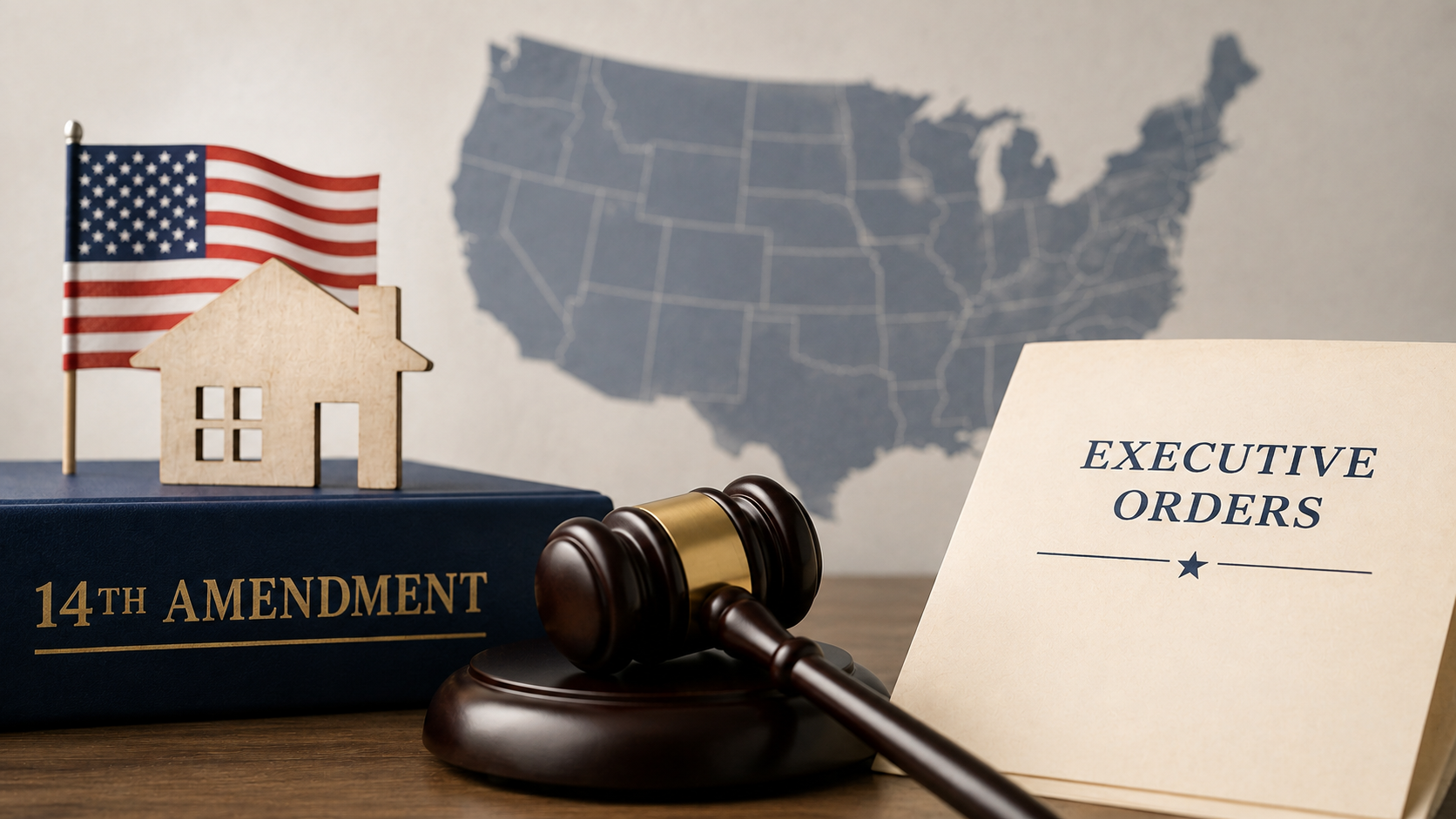

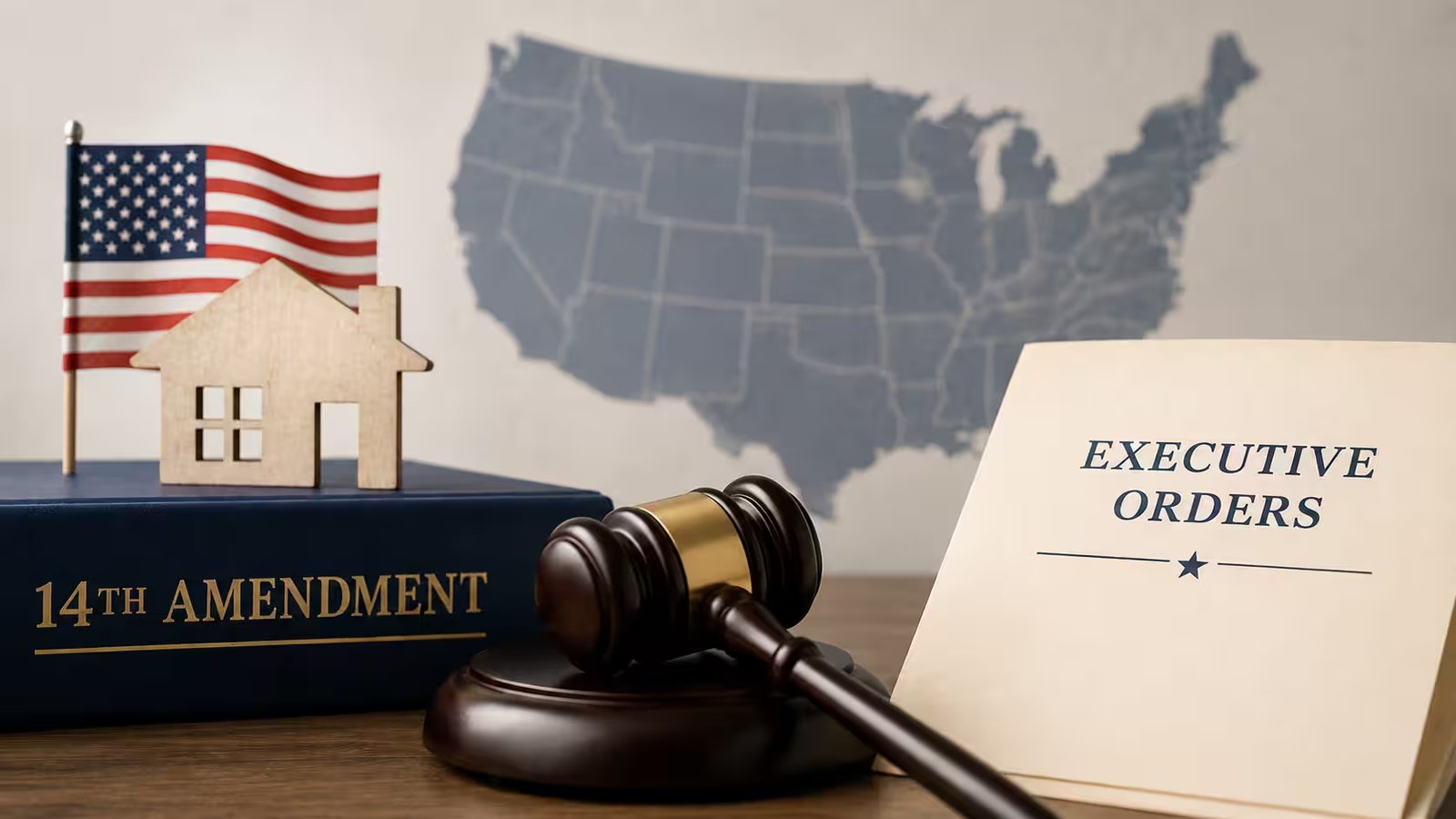
Weeks after the justices ruled that he could not end automatic citizenship for children born in the United States through a sweeping executive order, the president has returned with a narrower legal strategy. This time, instead of trying to rewrite the rule for millions, the White House is attempting to widen the handful of exceptions that already exist.
“We had a bad decision,” Trump said after signing two new executive orders this week. “We’re ending it a different way.”
The original order, struck down in June by a 6-3 Supreme Court majority, sought to deny citizenship to children born to undocumented immigrants and temporary visa holders. Chief Justice John Roberts wrote that the Fourteenth Amendment guarantees citizenship to almost everyone born on American soil, reaffirming a constitutional principle that has stood for more than a century.
The administration’s new approach does not directly challenge that ruling. Instead, it seeks to expand the narrow historical exceptions the court acknowledged. One order applies to children born to people classified as “alien enemies”, members of designated foreign terrorist organisations or certain foreign government representatives. The other targets so-called birth tourism, arguing that foreign nationals who travel to the United States on tourist visas with the concealed intention of giving birth have obtained those visas fraudulently.
It is a more carefully constructed legal argument. Whether it survives the courts is another matter.
Why it matters
For Indian families in America, this debate is far from theoretical.
Thousands of children are born every year to H-1B professionals who have spent years, and often decades, waiting for permanent residency. Their citizenship has long been treated as settled law. The Supreme Court reaffirmed that principle only weeks ago. Yet the administration’s latest move is another reminder that, in America’s immigration system, certainty has a habit of becoming temporary.
The practical impact of these orders is expected to be limited. Immigration experts note that very few people fall within the categories now being targeted. Federal data also suggests that births involving mothers with foreign addresses account for fewer than 10,000 cases each year. Even so, the White House has made clear that birthright citizenship remains unfinished political business.
Driving the news
The executive orders are almost certain to face immediate legal challenges. Civil liberties groups argue the administration is attempting to reopen a constitutional question the Supreme Court has only just answered. The White House insists these orders concern categories that were never considered in the June ruling.
The courts will now decide whether that distinction is enough.
Birthright citizenship has survived one challenge. The next test has already begun.
NRI WATCH
From New South Wales to Rajkot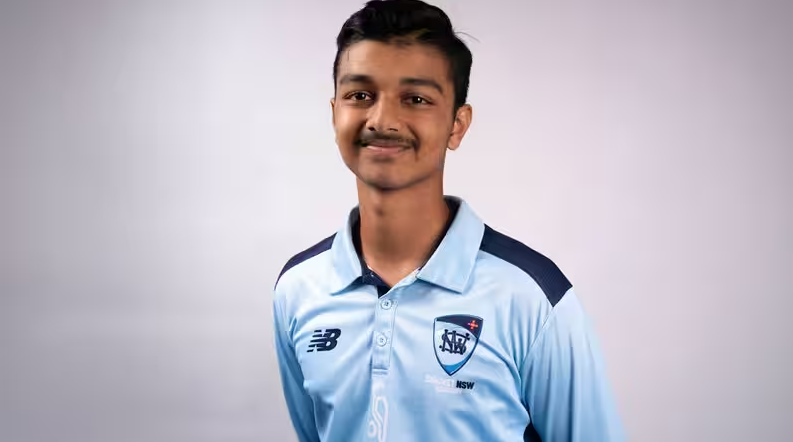

Seventeen-year-old Neel Patel is about to experience a journey familiar to many children of the Indian diaspora. He is heading to the country his family came from, representing the country where he grew up.
The opening batter from New South Wales, whose family traces its roots to Gujarat, has been named in Australia’s Under-19 squad for next month’s tour of India. The four-week series includes three one-day matches and two four-day games across Rajkot and Ahmedabad.
Patel has been on Australia’s radar for some time. At just 16, he became one of the youngest players in Sydney Premier Cricket history to score more than 1,000 first-grade runs in a calendar year. Since then, he has added a maiden century, earned selection for Cricket Australia’s national Under-19 camp and continued to develop into a genuine all-rounder with his off-spin bowling.
Next month, Patel will walk onto grounds in Rajkot and Ahmedabad wearing Australian colours. Few sporting journeys capture the modern diaspora quite so neatly.
OFFBEAT
Who pays H-1B workers the best?
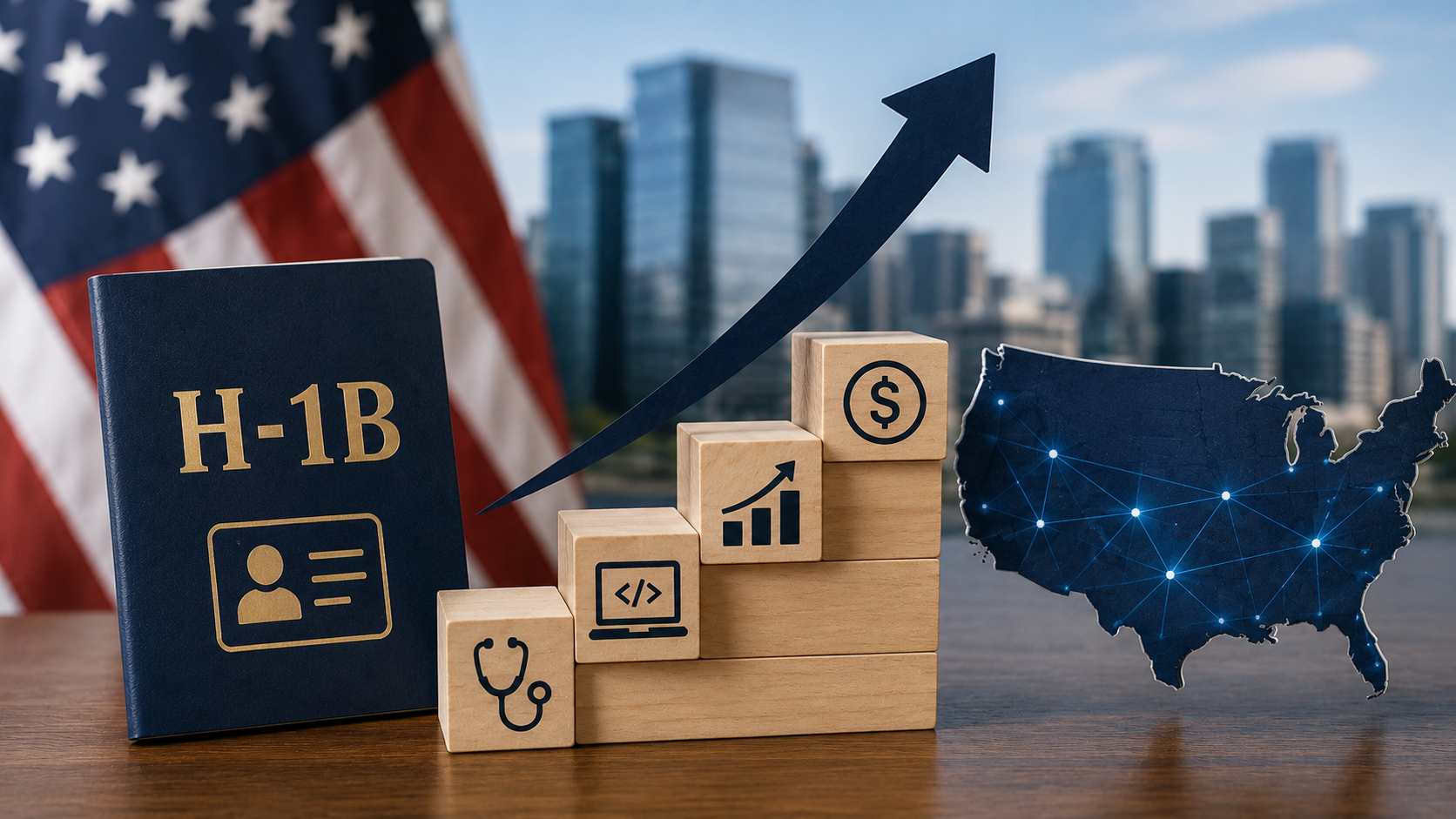
One of the most common criticisms of the H-1B visa programme is also one of the easiest to test.
The argument goes like this: American companies hire foreign professionals because they are cheaper. New data suggests the opposite.
An analysis of US Department of Labor filings by H1BScope found that the national median salary for H-1B workers is $130,707, more than double the overall US median salary of $59,228. Among employers with at least 500 certified H-1B filings, University of Pittsburgh Physicians reported the highest median salary at $255,725, followed by Roblox at $245,690 and Citadel Securities at $235,000. Technology giants including Apple, Google, Microsoft, Meta, Netflix and Nvidia all reported H-1B median salaries well above the national average.
A separate study by the Economic Innovation Group reached a similar conclusion. Nearly 89% of H-1B positions paid above the median wage for the same occupation and location, while more than one in five paid above the 90th percentile.
The politics around H-1B visas is unlikely to disappear anytime soon. Critics argue that salaries at elite firms do not represent the programme as a whole. But the numbers challenge one of the debate’s oldest assumptions.
The data tells a remarkably simple story. America’s most debated immigrant worker is also one of its best-paid.
Read article
NRI SPOTLIGHT

LEMON CHILLI.NEWS

Disclaimer
Views expressed above are the author’s own.