More than a successful surgery
Undergoing surgery is never merely a medical procedure. It is an emotional journey marked by uncertainty, vulnerability, and the hope of returning to normal life. As someone who had already survived Stage III cancer, undergone the removal of twenty-six tumours, and endured months of chemotherapy, I have learned that every new diagnosis carries an emotional weight that extends far beyond the physical ailment.
Earlier this year, while in Rishikesh, I began experiencing persistent headaches and other symptoms that naturally raised fears of a possible recurrence. Investigations fortunately ruled out cancer, but they revealed another problem that would require attention. A few months later, during a follow-up consultation, I was diagnosed with cholelithiasis (gallstones). After discussing the available options, surgery was recommended as the most appropriate course of treatment.

Even when a procedure is considered routine, the prospect of surgery can be unsettling. Questions inevitably arise — Will everything go well? How painful will the recovery be? How soon will life return to normal? These concerns are familiar to almost every patient entering an operating theatre.
Fortunately, my procedure itself went smoothly. From the pre-operative preparation to the surgery and the post-operative care, the process was efficient and reassuring. What I appreciate most is not merely that the operation was technically successful, but that the entire experience inspired confidence at every stage.
My interaction with the healthcare team reinforced an important lesson — successful surgery is not defined only by surgical skill. It also depends on clear communication, empathy, careful follow-up, and making patients feel that they are active participants in their own recovery. These seemingly small aspects of care often make the greatest difference to someone facing an operation.
My experience also reminded me how far modern minimally invasive surgery has progressed. Procedures that once required prolonged hospitalisation and lengthy recovery can now often be completed with considerably less discomfort and a much quicker return to daily life, provided they are performed by experienced teams.
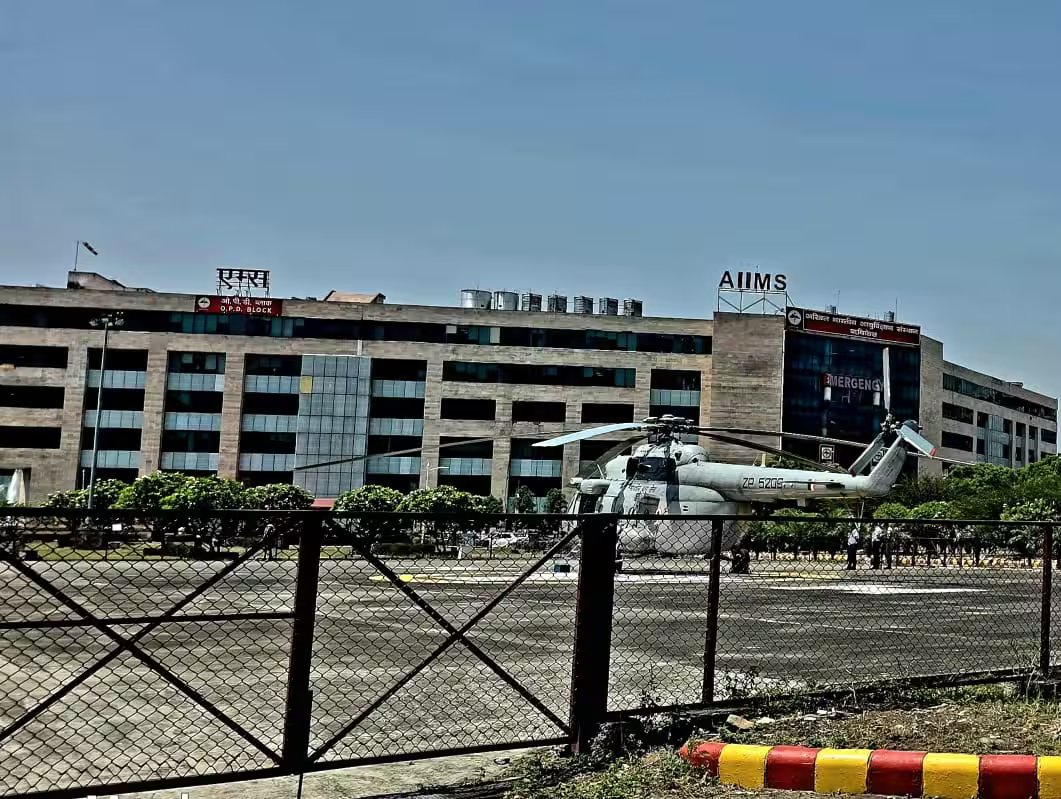
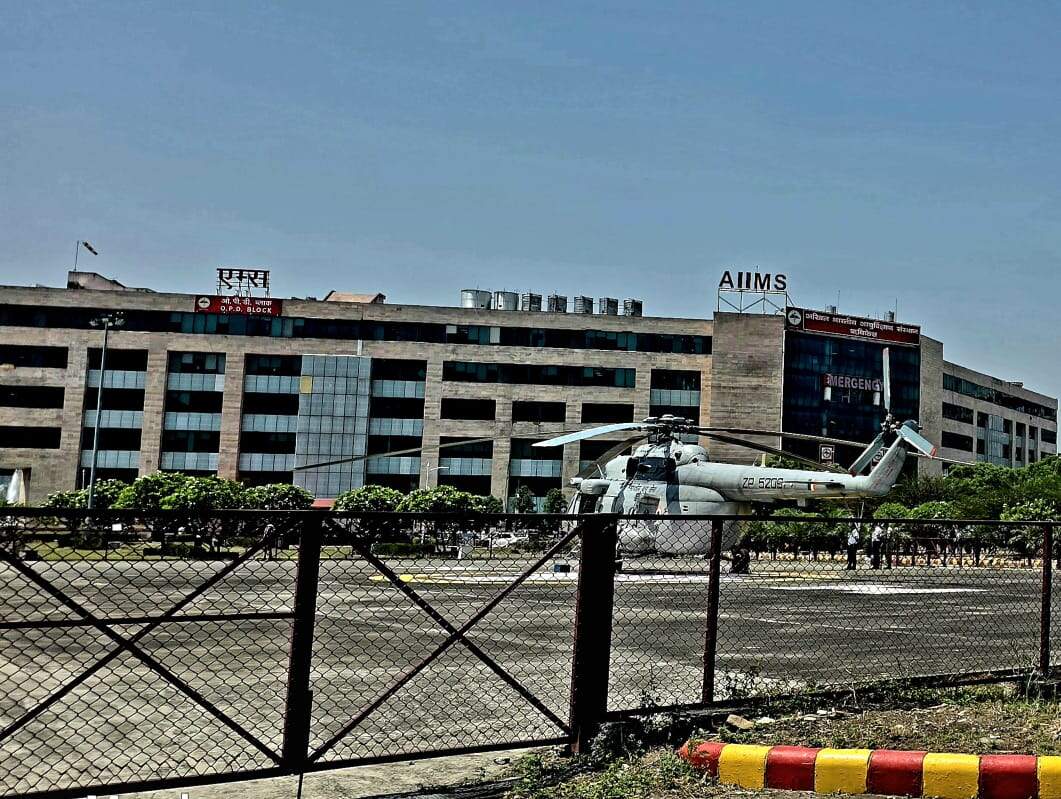
The surgery was carried out at AIIMS Rishikesh, where I was under the care of Dr Jaya Chaturvedi, Professor and Head of Clinical High-Risk Obstetrics, Infertility, Gynaecology and Geriatric Gynaecology, who diagnosed the condition and advised surgery. The professionalism and reassurance provided by her and the surgical team played an important role in making the experience a positive one. I also received valuable support from Dr Sriloi Mohanty, Senior Medical Officer (AYUSH), during my stay.
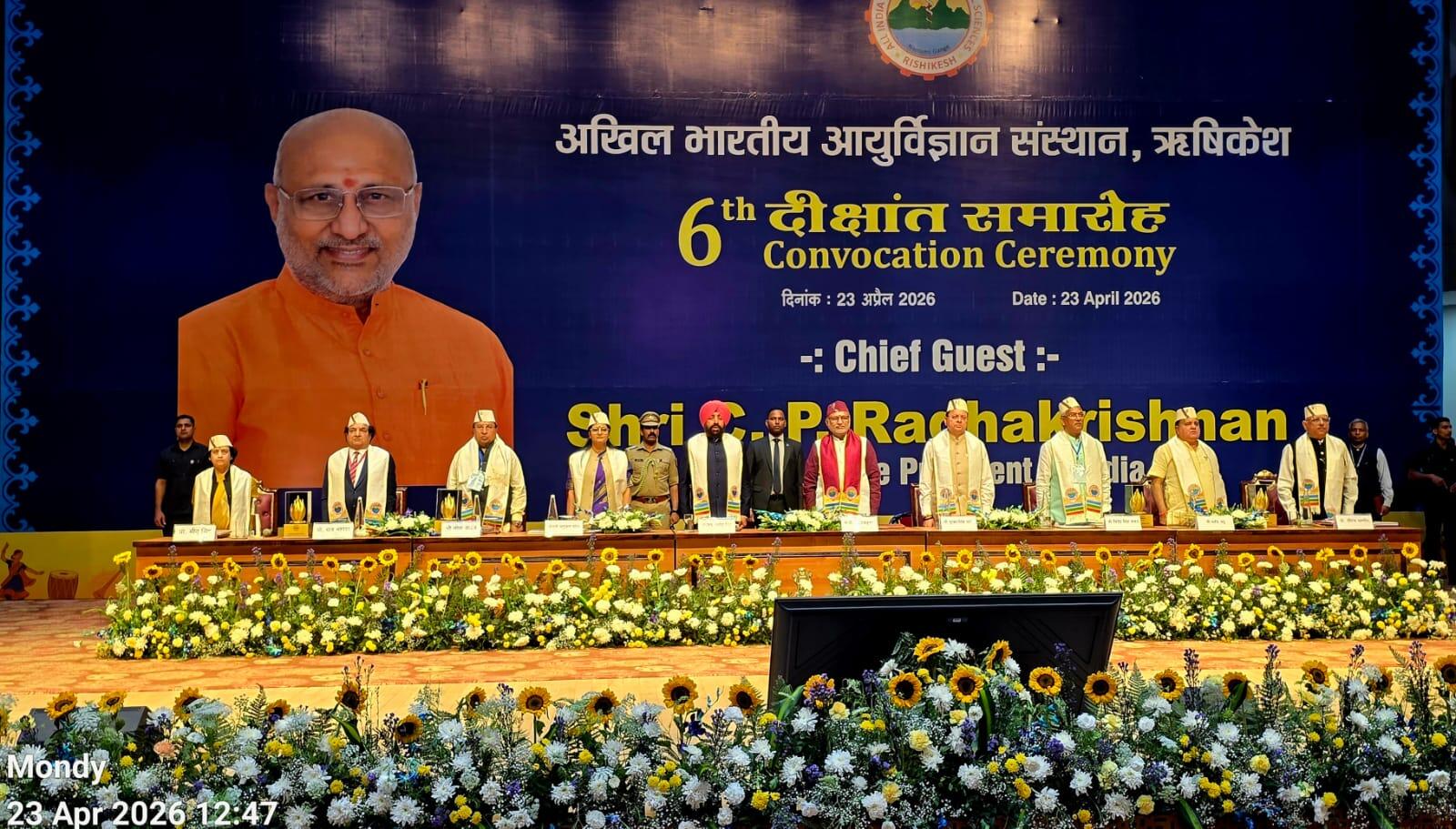

Beyond the operation itself, what left an equally lasting impression was the culture of patient-centred care that I encountered at the institute. During my interactions with doctors, nurses and administrative staff, I sensed an institutional ethos that combined clinical excellence with compassion. Much of the credit for nurturing this environment, I believe, goes to Dr Meenu Singh, Executive Director and CEO of AIIMS Rishikesh, whose emphasis on humane, patient-focused healthcare is reflected across the organisation.
Reflecting on the experience today, I believe that hospitals are remembered not only for the operations they perform, but for the confidence they inspire in those who place their trust in them. My surgery was successful, but equally significant was the sense of reassurance, dignity and compassion that accompanied the entire journey. That, ultimately, is what transforms a medical procedure into a healing experience.
Disclaimer
Views expressed above are the author’s own.