
When bridges keep collapsing, it’s time to question how India builds
On the way to the hill town of Ranikhet is a river crossing with an old steel bridge. A foundation plate along its edge notes the name of the engineer, and the address of the foundry in Liverpool where it was fabricated in 1927. A century on, the delicate Meccano-like construction still functions admirably, carrying heavy traffic, which doubtless its designer could not have foreseen.
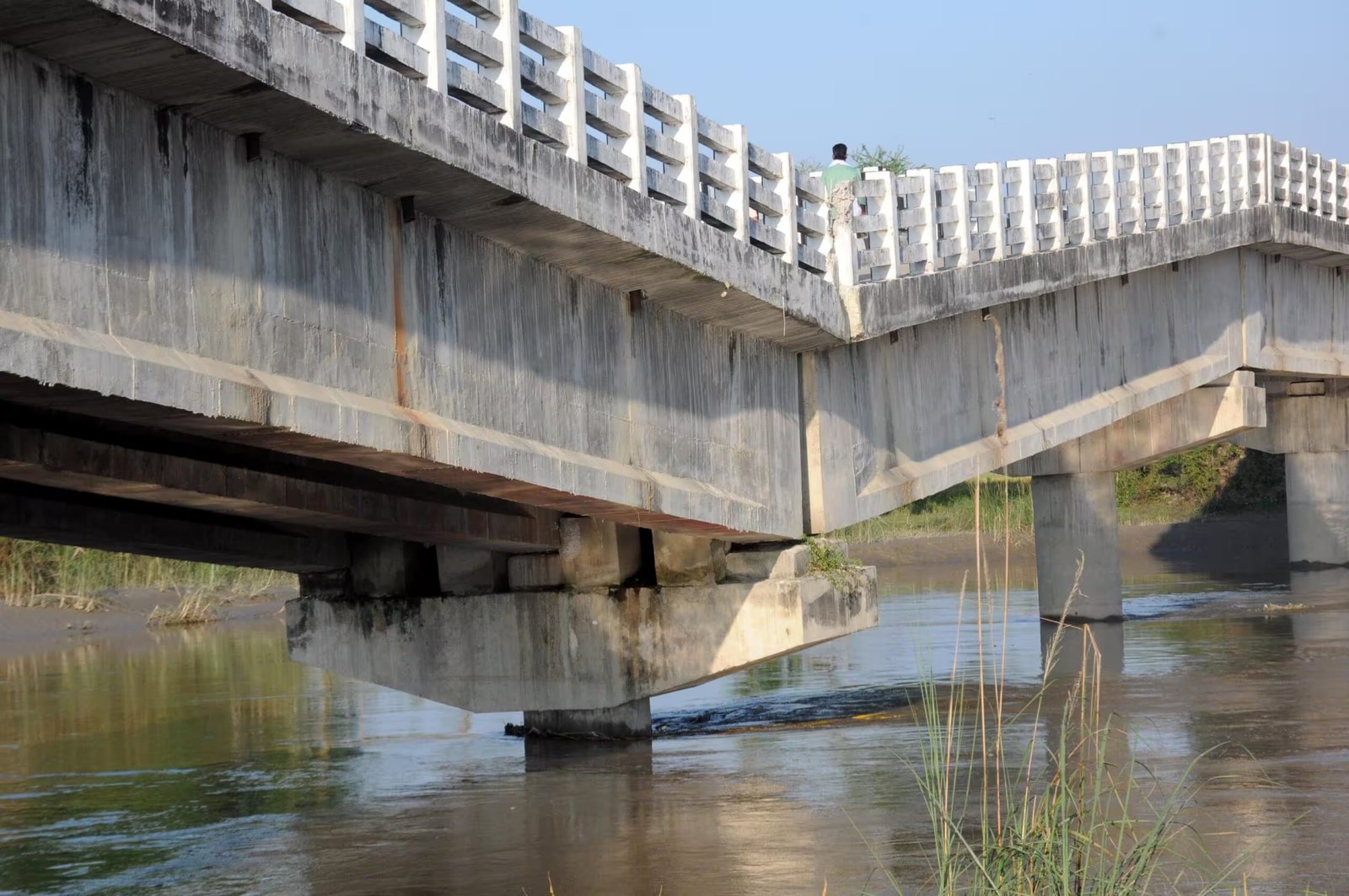
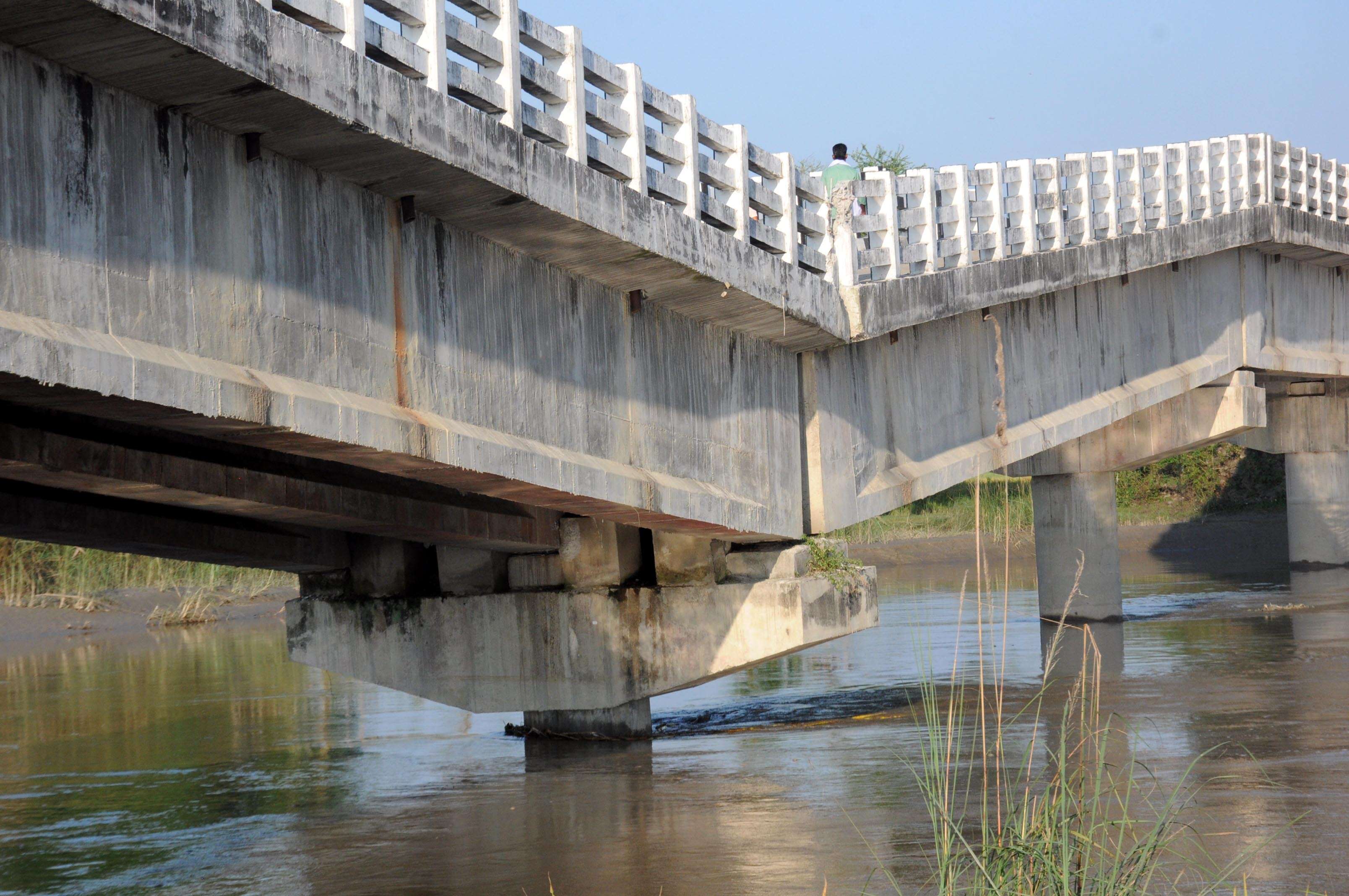
Meanwhile, in Bihar, 26 modern concrete bridges have collapsed over the last five years. Among these, some collapsed during construction, and one even during the inauguration. The latest to fall was a section of the 4.7-km-long Vikramshila Setu in North Bihar, where a massive section cleanly sheared away and fell neatly into the Ganga in early May. The structure was built at a public expense of over Rs 800 crore; its repair and reconstruction will now run into several more crores (a hurried steel section has been added to create a makeshift connection for now); doubtless, funds will even be allocated for its re-inauguration. This was followed by an under-construction bridge collapsing in Himachal’s Kangra district and then in UP’s Banda district.

Other infrastructure projects follow a similar story. In Dehradun, the approach road to a Rs 16-crore bridge collapses just 17 days after it opened. In Mumbai, a newly built highway merges dangerously from four to two lanes; another in Bhopal takes a severe right-angled turn, creating a hazardous high-speed intersection — both products of an obvious design flaw. After ten years in construction, AIIMS Darbhanga opens, but students are unable to locate the campus because only the gate had been built. And even where public works are structurally sound, they are too often architecturally uninspired. In Delhi’s Sarojini, Kidwai, and Nauroji Nagar, where vast swathes of high-rise public housing are being built to replace old colonial structures, the design is repetitive, ordinary and outdated, with no view to innovation, improvement, or the suggestion of a new lifestyle.
India is spending over Rs 12 lakh crore annually on capital expenditure to build a vast network of public infrastructure, including ambitious projects such as the all-weather Zojila tunnel that will connect Kashmir and Ladakh. But why does the quality of some public works oscillate between second-rate and mediocre, sometimes downright ridiculous and flawed, invariably over-budget, and — when bridges collapse during inauguration — not merely a waste of taxpayer money but occasionally fatal?
Perhaps it is time to question the process of awarding large public works in India. The cheapest tender, from which money is additionally cut for kickbacks, will only produce falling bridges, poor housing and copycat buildings, not to mention some of the world’s dreariest cities. We need merely to look at three countries to see how things can be done.
Bhutan: Using locally sourced timber, Bhutan’s new Gelephu airport is designed to suggest something of the small Himalayan kingdom’s happiness vision. Open-air walkways and a forest courtyard combine in wooden diamond-shaped modular structures that open to the landscape — an architecture that is both traditionally Bhutanese and wholly contemporary. It took a Danish firm to draw on the spirit of Bhutan and give it architectural meaning.
Egypt: More intriguing examples of cultural infrastructure come from Egypt: the recently opened Grand Egyptian Museum in Cairo and earlier, the Great Library of Alexandria. Designed by Norwegian and Irish firms, both structures are so culturally rich, so uniquely Egyptian and so ambitious in their offerings, it is hard to believe that they are set in a country mired in poverty, urban mismanagement and political apathy. Local families and foreign visitors are enthralled as much by their exhibits as by their exceptional design.
China: The Chinese model of public infrastructure, a blend of foreign expertise and domestic engineering, is not just a lesson for developing countries, but has far surpassed Western ideas, innovation and technology. Some of the newer airports in China are working on ways to de-stress travellers and reduce travel time; plans are afoot to drop passengers directly to their boarding gates and cut out needless time in centralised terminals. Many of the newer Indian airports are unique in design but less innovative in the passenger experience, with long walks to taxi pick-up points and, in several cities, weak integration with public transport. In contrast, China has come up with efficient new ways to move large populations quickly and in comfort.
To add meaningful new legacy to their own rich architectural history, China, Egypt, and Bhutan chose the best possible solution for their most visible and important public projects. Of course, the point is not that all foreign firms are inherently superior. It is just that countries seeking landmark public works often conduct open, competitive searches for the best design and engineering talent available, wherever it may be found. Can we too stop rewarding the lowest bid and start choosing the best proposal?
Disclaimer
Views expressed above are the author’s own.