
The new Avengers! Baruipur shows the perils of ‘encounter’ shortcuts
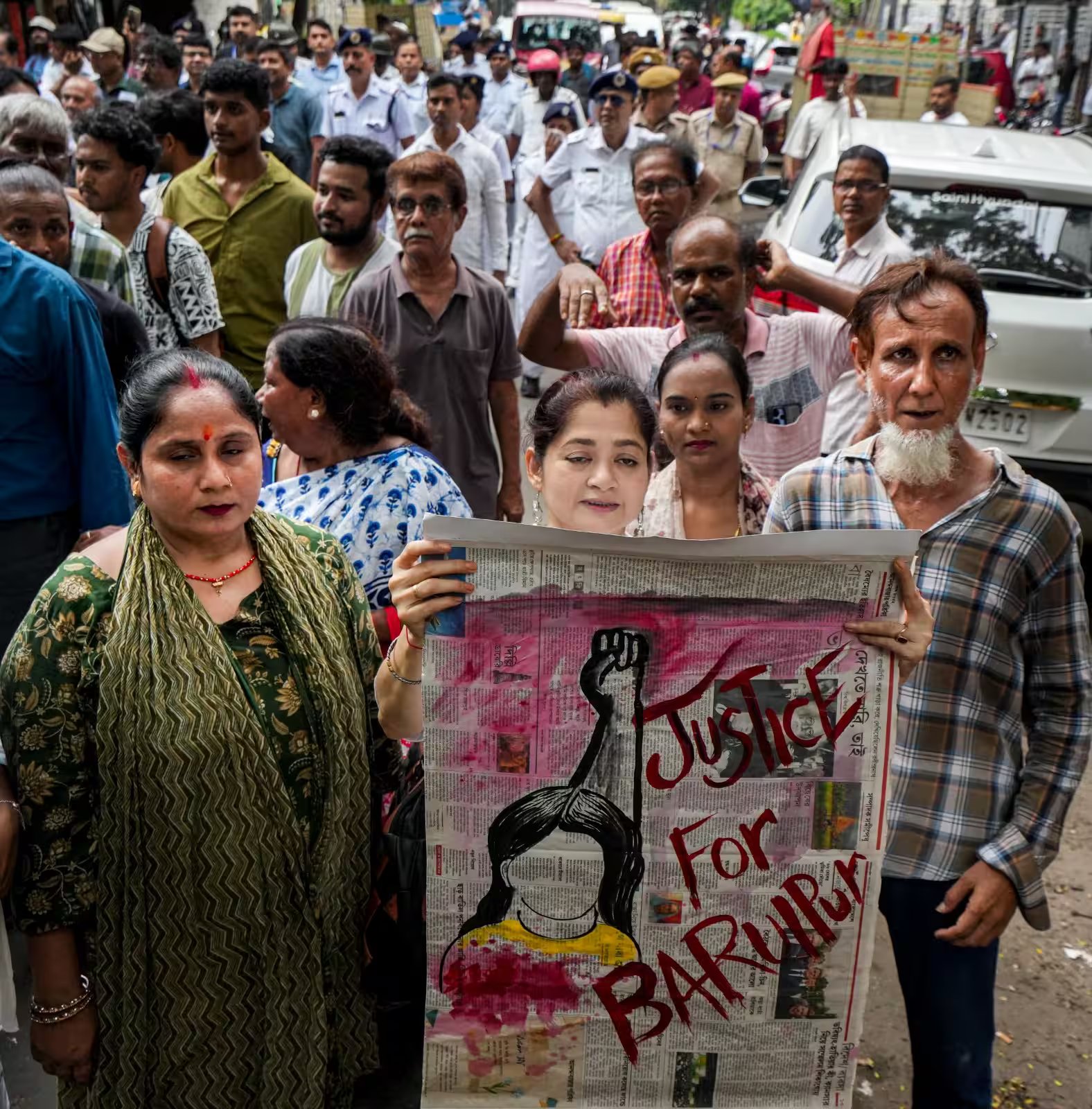
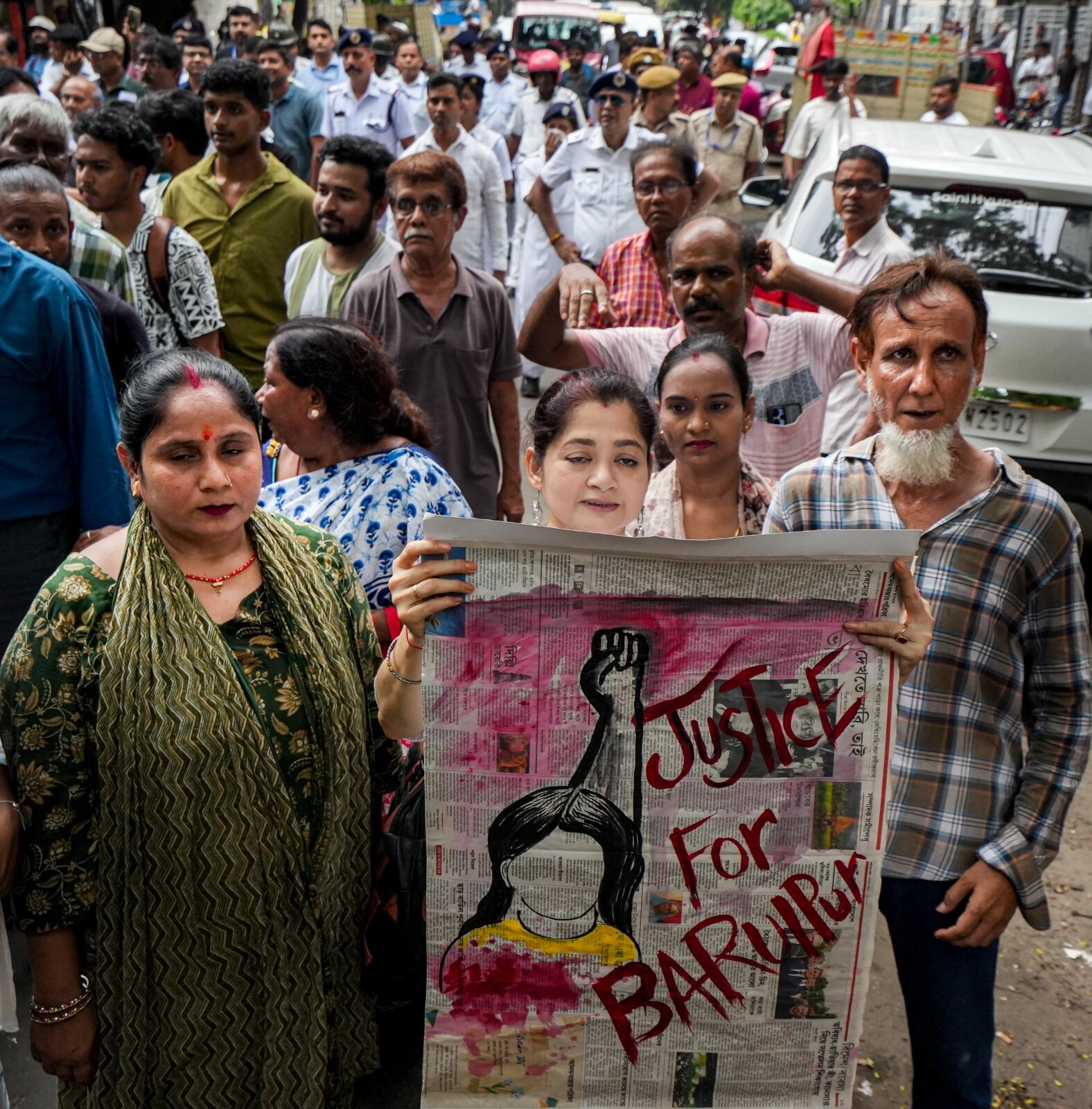
The killing of Prabhas Mondal, an accused in the Baruipur rape and murder case, has followed a script India knows too well. The police take an accused to the scene for reconstruction. The hour is late. He is said to have tried to flee, snatched a firearm, and fired at the police. The police fire back. The accused dies. Soon after, the legal question is buried under the moral biography of the dead man.
The force of the encounter narrative derives in part from the brutality of the predicate offence: the rape and murder of a child. Yet the gravity of that offence cannot be permitted to confer retrospective legality on the subsequent killing of the accused. Once the accused is killed in police action, his death becomes an independent constitutional event requiring scrutiny on its own terms.

The word ‘encounter’ is itself part of the deceit. Indian law does not know such a category. There is homicide. There is private defence. There is force used in the course of arrest, bounded by necessity and proportionality. There is culpability if those limits are crossed. ‘Encounter’ makes killing sound like an event that happened between equals, not an act by agents of the state upon a person in their custody or control.
This is why the Supreme Court’s encounter jurisprudence has often been harsher than its usual idiom. In Prakash Kadam, fake encounters were described as cold-blooded murder by those meant to uphold the law. In Om Prakash, SC noted that such liquidations amount to state-sponsored terrorism. These were not ornamental phrases. They named the perversity by which the uniform becomes a cover for murder and public approval becomes a substitute for proof.
The constitutional history behind these cases begins earlier, in the custodial violence decisions. Rudul Sah, Nilabati Behera, D K Basu, and Joginder Kumar rulings taught a simple lesson that India keeps forgetting: when a person enters the hands of the state, law must become more vigilant, not less. Arrest memos, medical examinations, production before magistrates, compensation for custodial death — these devices were created because official violence leaves few witnesses and many papers. The police file has often been the first site where violence is laundered into procedure.
PUCL v State of Maharashtra tried to block that laundering. The SC laid down 16 requirements for every death caused by police firing, including prior recording of intelligence, investigation by an independent agency or a different police station, magisterial inquiry, forensic examination of weapons, preservation of diaries, sketches and panchnamas, and no promotions or gallantry rewards until the claim of gallantry is independently established. The design was plain. The police should not be allowed to narrate, certify and reward their own violence.
Baruipur must be tested against that standard. Who decided on the reconstruction, and why at that hour? What was the accused’s custodial status? Were there independent witnesses? Was the weapon that was allegedly snatched examined? What do the entry wounds, exit wounds and firing distance show? Was videography preserved? Was the FIR framed around the police action or only around the alleged aggression of the dead man? These are not procedural irritants. They are the only way in which law can speak after the accused has been silenced forever.
A feminist critique must be especially careful here. The rape and murder of a child produces rage because women and children are failed at every stage: prevention, policing, forensic collection, witness protection, trial, and appeal. But encounter killing does not repair any of this. It gives the state the pleasure of appearing as avenger after it has failed as protector and investigator. It prevents the trial in which guilt would have to be proved, evidence tested, accomplices identified, police lapses exposed. It produces a corpse where a conviction was required. Reportedly, the aunt of the minor victim also raised these questions and rightly so.
The Hyderabad killings of 2019 are a warning. Four men accused in a rape-murder case were shot dead during a supposed reconstruction. Crowds celebrated. Later, the Justice V S Sirpurkar Commission found the encounter staged and recommended prosecution of the officers for murder. By then, the state had been applauded for an act that, on inquiry, appeared to be murder. There is a caste and class life to this phenomenon as well. The persons most available for encounter are those already made encounterable by society: poor men, Muslims, Dalits, Adivasis, migrants, denotified communities, and residents of insurgency zones. The label changes with the political need — terrorist, Maoist, gangster, infiltrator, rapist. The function remains the same. It marks a person as someone whose access to trial can be shortened.
A republic cannot be built on the corpse of procedure. The promise of Article 21 is austere: even the hated accused must reach the law alive. If Baruipur becomes another occasion for applauding the shortcut, the police version will have prevailed before the Constitution has even entered the scene.
Disclaimer
Views expressed above are the author’s own.