
The gap between football’s best and the rest is closing

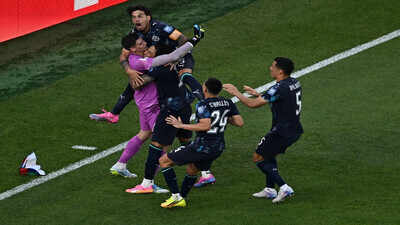
Earlier this month when FIFA World Cup debutants Cape Verde ended the match against tournament favourites Spain in a tie, the world could hardly believe their eyes. But that was only the beginning. As the tournament progressed, more heavyweights stumbled, Uruguay failed to even make it out of the group stage, while Germany and the Netherlands crashed out in the Round of 32 against Paraguay and Morocco respectively. Suddenly, what looked like isolated upsets began to resemble a pattern. The internet turned into a landfill of memes that mocked the greats, but nobody saw the underdogs coming.If there is one phrase that deserves retirement from football’s vocabulary, it is “easy game”. Every time a heavyweight drops points against a supposedly smaller nation, the conversation follows a familiar script. The favourites are labelled complacent, overrated or simply past their prime. Rarely do we stop to consider the possibility that the team across them might just be… good.For years, international football felt divided into two worlds. There were the giants who competed to win trophies, and then there were the so-called “minnows” who were expected to defend for 90 minutes and hope to leave the ground with their dignity intact. But somewhere along the way, a new category quietly emerged, football’s middle class.Much like the middle class in society, these teams are neither wealthy enough to have the best at their disposal nor struggling enough to merely survive. They are ambitious, capable and increasingly difficult to ignore. They may not start tournaments as favourites, but they have enough to go toe-to-toe with them. In just the 2022 World Cup alone, Morocco made a historic 4th place run, having knocked Spain and Portugal out on their way, while Japan on the other hand kept the Germans from moving past the groups, and in the process, earning the moniker ‘Giant Killers’. This year’s World Cup, however, feels different. The so-called underdogs are no longer just taking points off the elite—they are sending them home. It is an entire tier of nations proving they belong, suggesting football’s middle class is no longer emerging. It has arrived.The reasons are hardly mysterious. Elite coaching is no longer reserved for top tier teams. European clubs scout every corner of the globe. Players from Asia, Africa and smaller European nations are now regulars in the world’s biggest leagues, bringing home tactical discipline and experience that once belonged only to football’s chosen ones. The gap hasn’t disappeared, but it has narrowed enough that reputation alone will not suffice.Perhaps that is why we keep getting surprised. We are still watching football through a lens built in the early 2000s, expecting the same predictable script to unfold while the sport moved faster than we expectated.So while some of the best teams are hanging by the skin of their teeth, it begs the argument that maybe the giants are not falling after all. Maybe the rest of the footballing world has simply climbed the bus, which was once reserved for what fans called ‘crème de la crème’.