
6 most snake-filled bodies of water in Illinois and the species you’re most likely to spot |
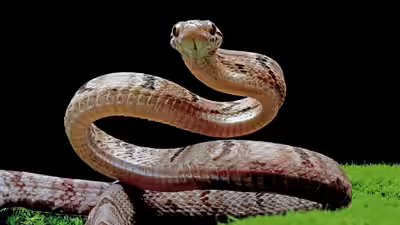
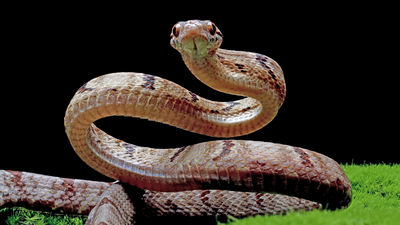
Illinois is not usually the first place people think of when discussing snake habitats, yet the state supports an impressive variety of reptile life. Forested hills, broad river valleys, marshes, and reservoirs create conditions that suit dozens of species, many of which spend at least part of their lives near water. During the warmer months, snakes become more visible as they leave winter shelters and move through wetlands, shorelines and wooded corridors in search of food and breeding areas.Only a handful of Illinois snakes are venomous, and encounters with them remain uncommon. Even so, certain lakes, rivers and swamps have become well known among naturalists because of the sheer number of species found there. Some attract visitors hoping to observe wildlife, while others simply happen to sit in landscapes where snakes have thrived for generations. These six bodies of water stand out for the diversity and abundance of reptiles living around them.According to WorldAtlas, check the list of the 6 Most Snake-Filled Bodies Of Water In Illinois
6 most snake-filled bodies of water in Illinois: Cedar Lake, Mississippi River, Fox River and more
Source: Worldatlas
Illinois’ most snake-filled water bodies
1. LaRue Swamp and Otter Pond
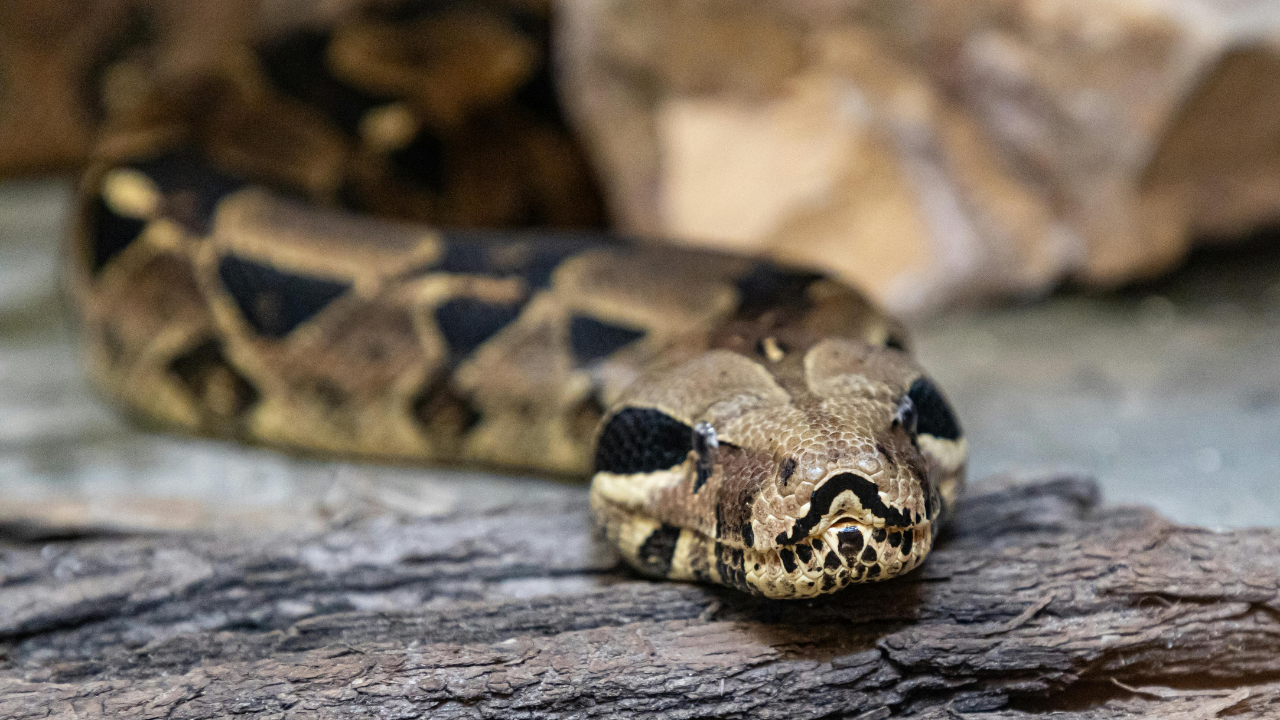
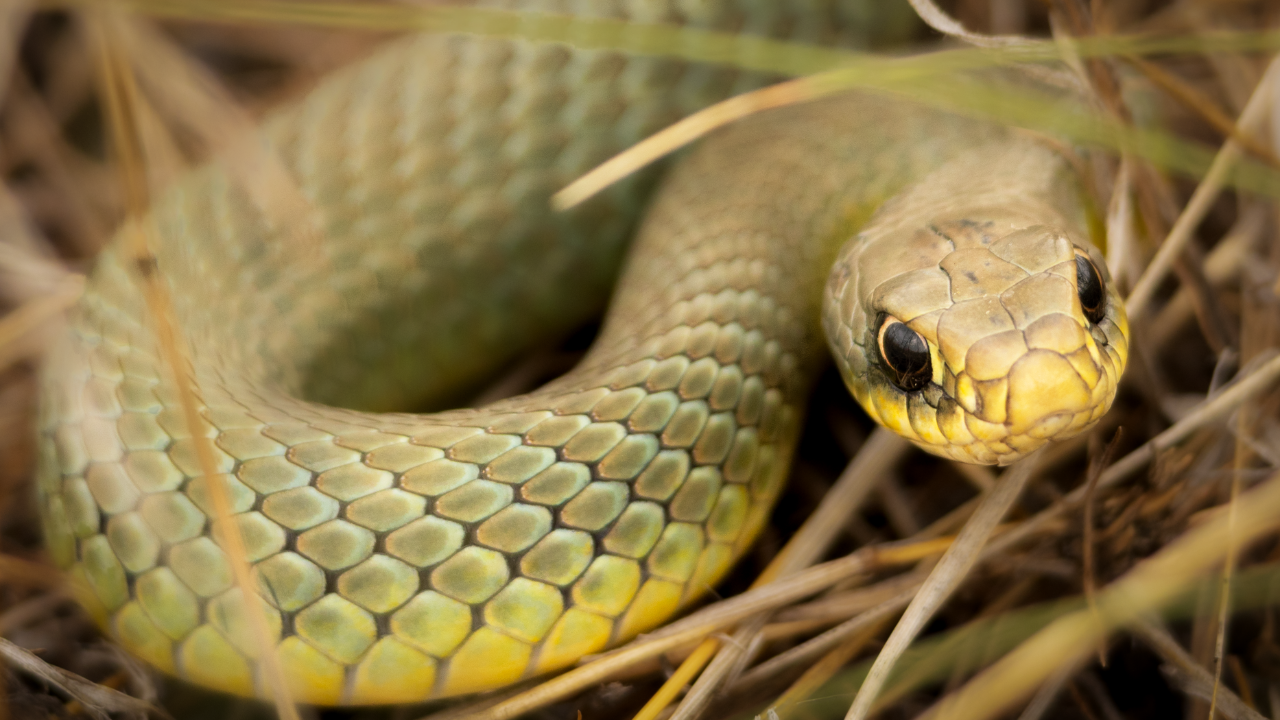
At the southern edge of Illinois, within the Shawnee National Forest, lies one of the state’s most remarkable wildlife areas. LaRue Swamp and neighbouring Otter Pond form part of a landscape that supports an unusually large share of Illinois’ native reptiles. Thick wetlands spread across the floodplain while limestone bluffs rise nearby, creating two very different environments within a short distance.The area is perhaps best known for the seasonal snake migrations that occur between the Pine Hills and the swamp below. During spring and autumn, numerous species travel between denning sites and feeding grounds, crossing a road so famous that most people simply call it Snake Road. Vehicle access is restricted during migration periods to reduce harm to wildlife.Visitors frequently encounter northern cottonmouths here, a species found only in the southernmost part of Illinois. Timber rattlesnakes, copperheads, rough green snakes, ribbon snakes and several water snake species are also regularly recorded, making this one of the richest reptile locations in the state.2. Cedar Lake
pc: canva
Also situated within Shawnee National Forest, Cedar Lake combines recreational appeal with excellent wildlife habitat. The reservoir attracts anglers, kayakers and swimmers throughout the warmer months, while the surrounding woodland and rocky terrain provide shelter for many snake species.Water snakes are especially common around the shoreline. Common watersnakes, diamond-backed watersnakes and plain-bellied watersnakes are all strong swimmers and are often observed moving through shallow water or basking near the edge of the lake. Their presence can sometimes surprise visitors unfamiliar with the area’s wildlife. Away from the water, common garter snakes are among the reptiles most frequently encountered along trails and forest edges.3. Crab Orchard National Wildlife Refuge
pc: canva
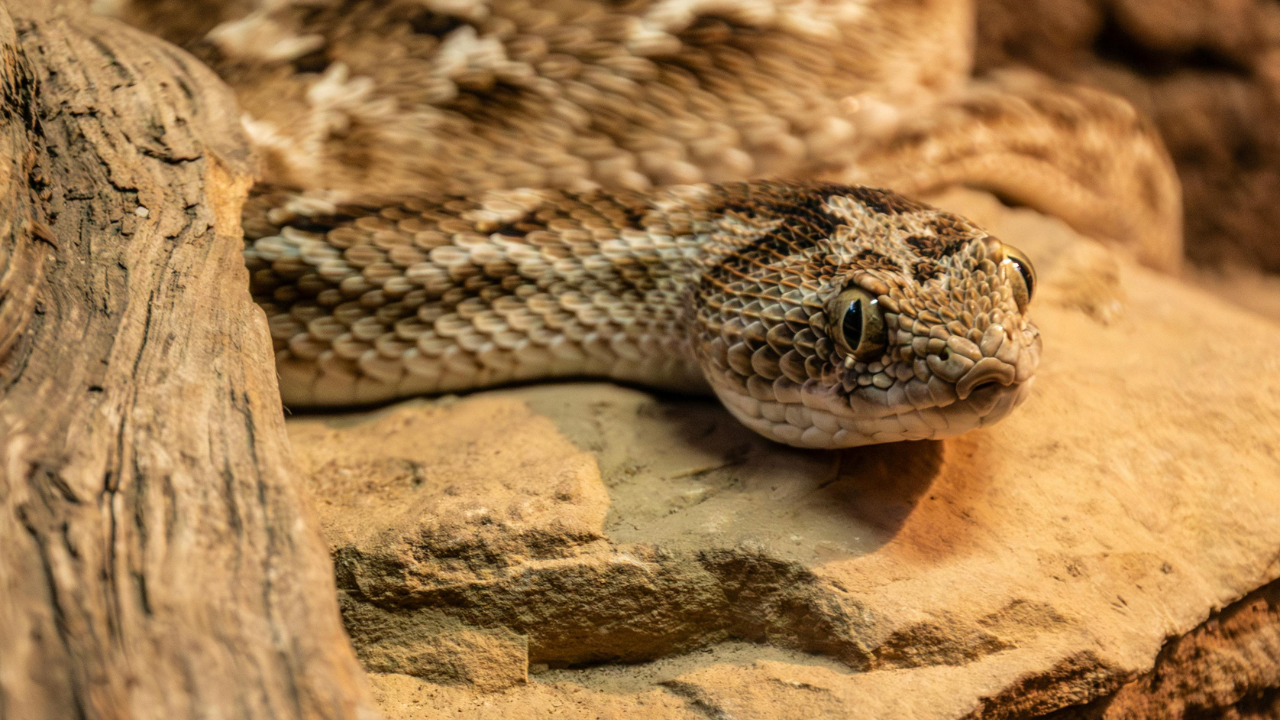
Covering tens of thousands of acres in southern Illinois, Crab Orchard National Wildlife Refuge contains forests, wetlands, grasslands and open water. This mixture of habitats creates favourable conditions for a broad range of wildlife, including numerous snake species.The refuge’s lake system provides ideal conditions for aquatic and semi-aquatic snakes. Reports from visitors and local wildlife observers frequently include sightings of diamond-backed watersnakes, plain-bellied watersnakes, common watersnakes and ratsnakes. Snakes often take advantage of fallen logs, shoreline vegetation and sunny banks where they can regulate their body temperature.4. Mississippi River
pc: Canva
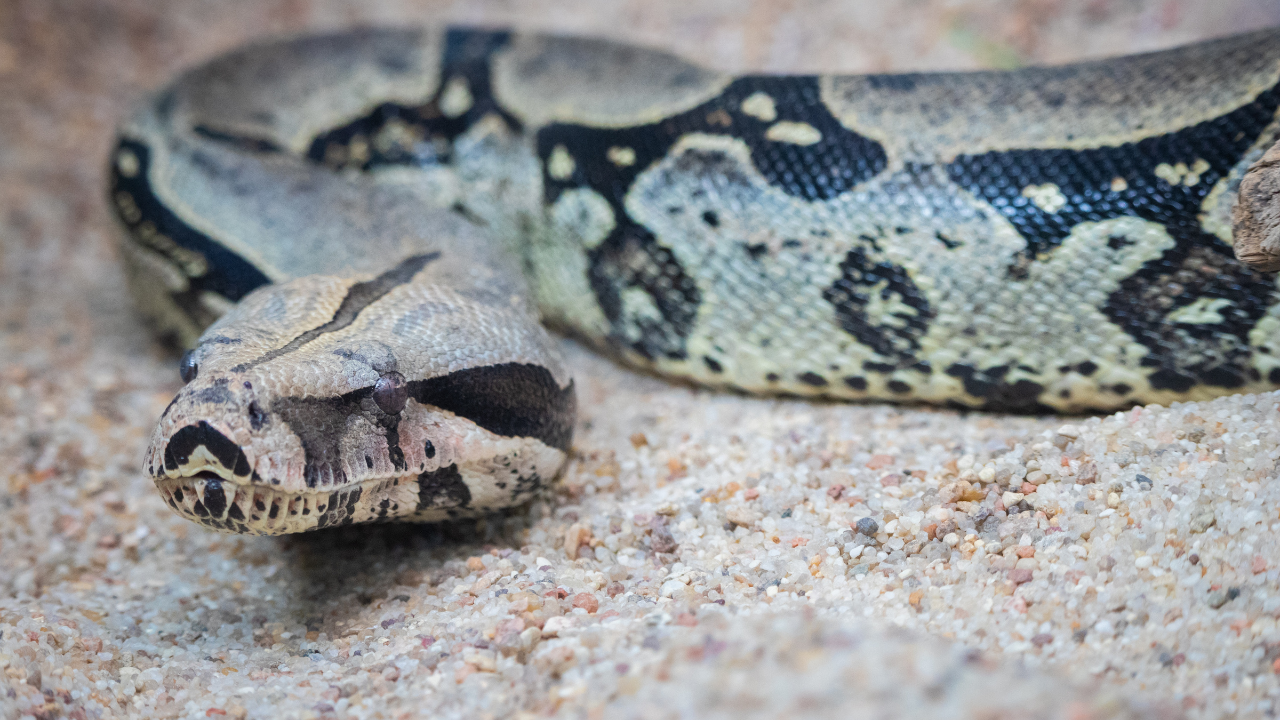
The Mississippi River forms Illinois’ entire western boundary, stretching hundreds of miles through changing landscapes before continuing south towards the Gulf of Mexico. Along this vast waterway, sheltered coves, rocky bluffs and wooded shorelines create suitable habitat for a variety of snake species.One notable location is Mississippi Palisades State Park in the northwestern part of the state. Here, steep rocky formations provide denning sites for timber rattlesnakes. These communal winter shelters have supported populations of the species for many years and remain among the more significant rattlesnake habitats in Illinois. The wider river corridor also supports species such as eastern hog-nosed snakes and plains hog-nosed snakes. Although these snakes are not particularly associated with swimming, they benefit from the sandy and lightly wooded habitats found near sections of the river. The diversity of terrain helps explain why the Mississippi remains such an important reptile stronghold.5. Rend Lake
pc: Canva
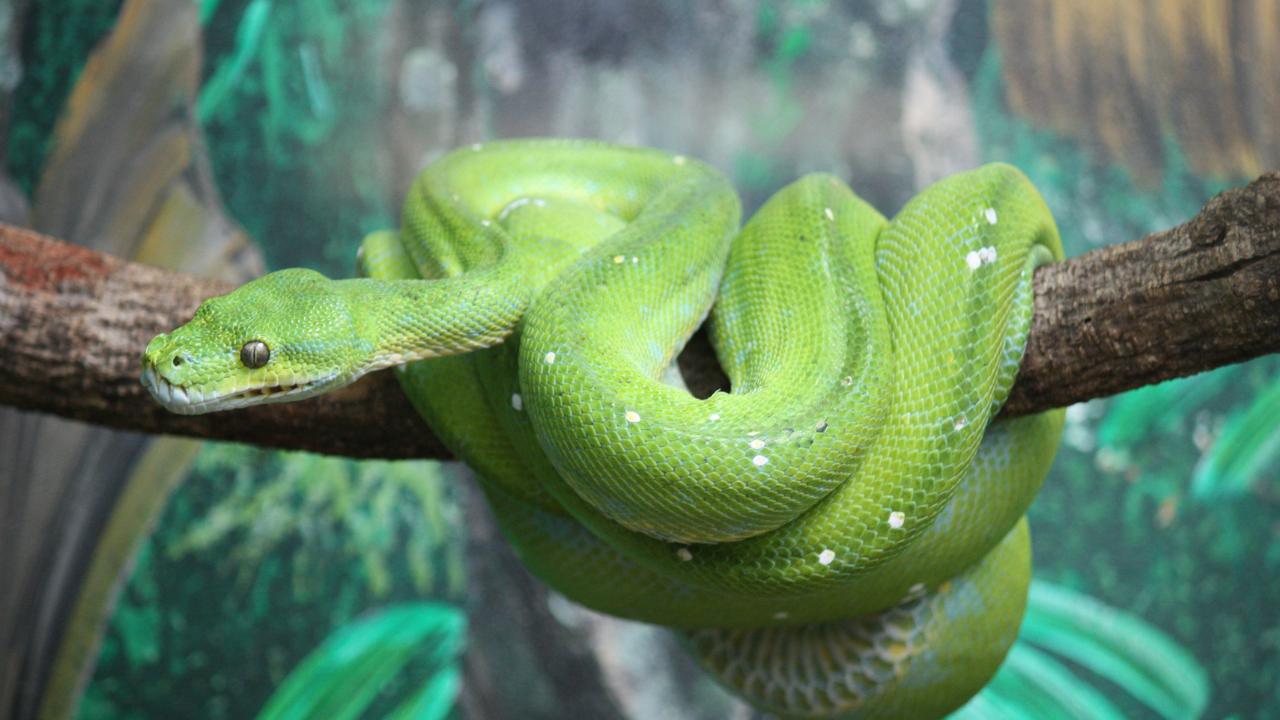
Rend Lake is one of southern Illinois’ best-known recreational destinations. Created after the damming of the Big Muddy River, the reservoir has become popular with campers, boaters and anglers. The same calm waters and extensive shoreline vegetation that attract visitors also suit several snake species.Among the most frequently observed reptiles is the midland watersnake, a regional form of the common watersnake. Its markings often lead to confusion with venomous snakes, particularly among people unfamiliar with local wildlife. Despite appearances, these snakes are harmless and spend much of their time around the water’s edge. Eastern copperheads are present in the area as well, contributing to occasional cases of mistaken identity. Diamond-backed watersnakes also occur around the reservoir, adding another patterned species to the mix. 6. Fox River
pc:Canva
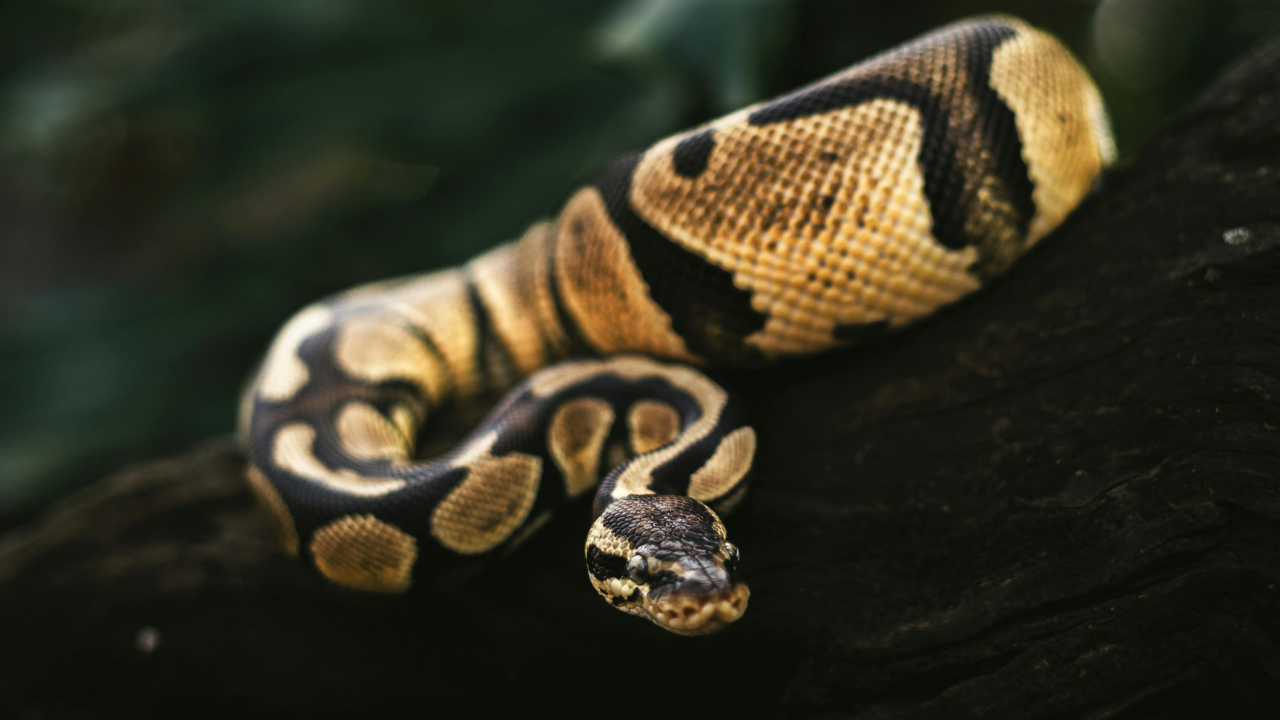
Flowing through communities west of Chicago, the Fox River offers a different setting from the heavily forested landscapes of southern Illinois. Parks, trails and green corridors line much of the river, allowing wildlife to persist surprisingly close to urban development.Several familiar species occur throughout the watershed, including common watersnakes, fox snakes, milk snakes, Dekay’s brownsnakes, queen snakes and plains garter snakes. The river corridor also supports other native reptiles, while waterways rich in crayfish occasionally attract queen snakes. Despite its proximity to urban areas, the Fox River remains an important habitat for a surprisingly diverse snake population.