Bhutan: The Land of the Thunder Dragon: Part 4—Paro
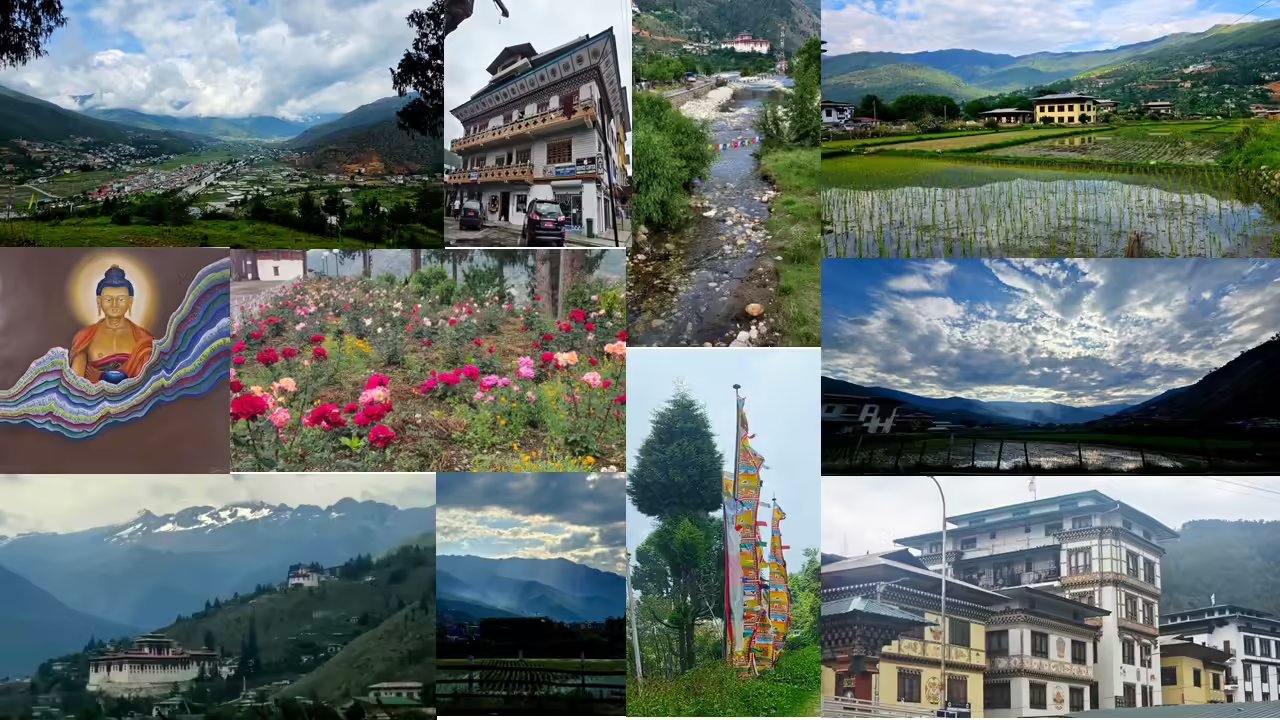
After exploring Thimphu and visiting Punakha, I headed to Paro, at a height of 7,333 feet and about 55 km from the capital. Widely regarded as Bhutan’s most beautiful valley, Paro is also the country’s main gateway, home to Bhutan’s only international airport. Renowned for its ancient monasteries, majestic dzongs, apple orchards, emerald rice fields, and spectacular Himalayan scenery, the valley possesses a charm that captivates visitors from the moment they arrive. The road to Paro meandered alongside the sparkling Chhu river, threading its way through a broad valley embraced by mountain ranges on either side.
As I approached the town, the beautiful mountain airport appeared on one side of the road, nestled amidst the valley floor. On the opposite side, perched gracefully on an elevation, stood the magnificent Paro Dzong and the National Museum. Paro itself looked like a town from a fairy tale. Traditional houses adorned with intricate floral motifs, brightly painted wooden facades, and beautifully crafted stone walls gave the settlement an almost doll-like appearance. Everything seemed perfectly preserved, blending heritage, artistry, and simplicity.
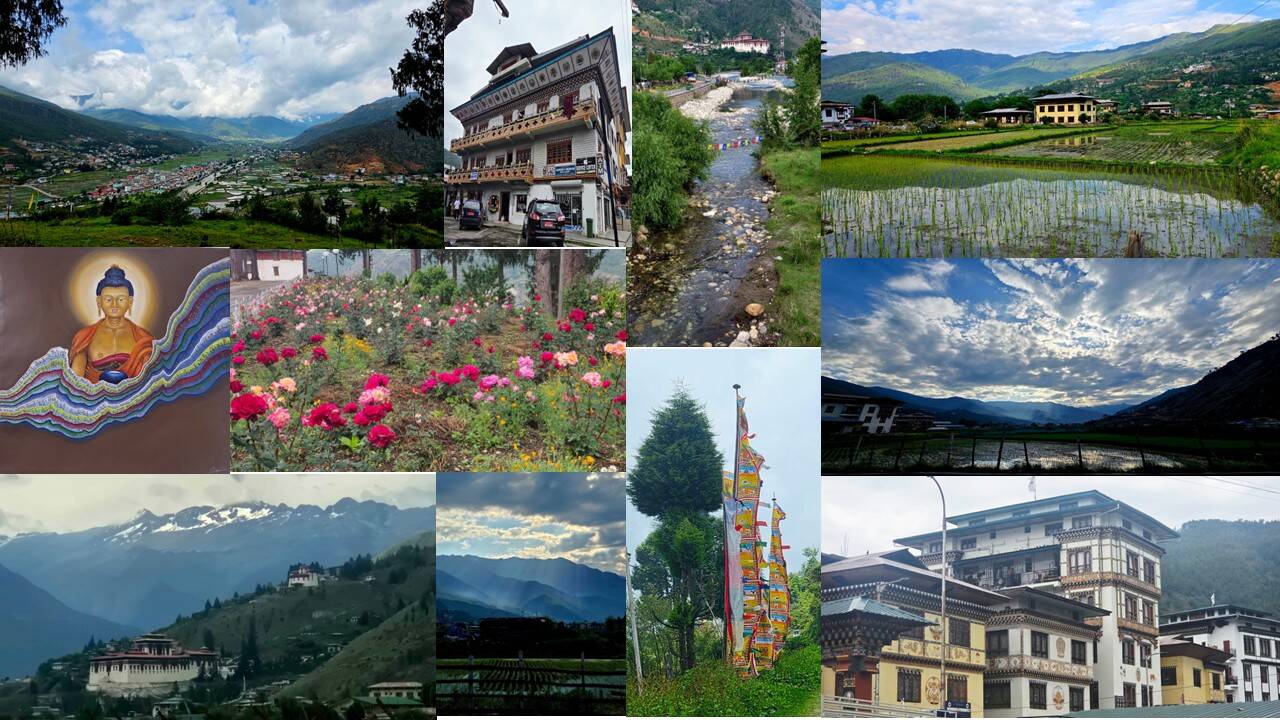

After freshening up, I set out to visit the National Museum of Bhutan, the country’s foremost cultural institution. Housed within the historic Ta Dzong watchtower, the museum preserves and showcases Bhutan’s artistic, historical, and spiritual heritage and was originally constructed in 1649.
The structure itself is an architectural marvel. Its circular seven-storey stone design, thick defensive walls, arrow loops, and symbolic crescent and sun motifs reflect a remarkable fusion of military strategy and spiritual symbolism. In 1960, the watchtower was transformed into Bhutan’s national museum and opened to the public in 1968.
Today, the museum houses more than 3,000 artifacts spanning Bhutan’s long and fascinating history. The lower floors display agricultural implements, traditional weapons, coins, jewellery, postage stamps, royal portraits, and exquisite costumes. The upper galleries contain priceless Buddhist relics, sacred thangkas, intricate mandalas, and the revered Chapel of the Tree of Merit. A separate natural history gallery, inaugurated in 2012, presents Bhutan’s extraordinary biodiversity, featuring displays on its geology, wildlife, the national animal, the Takin, and the beautiful Bhutan Glory butterfly.
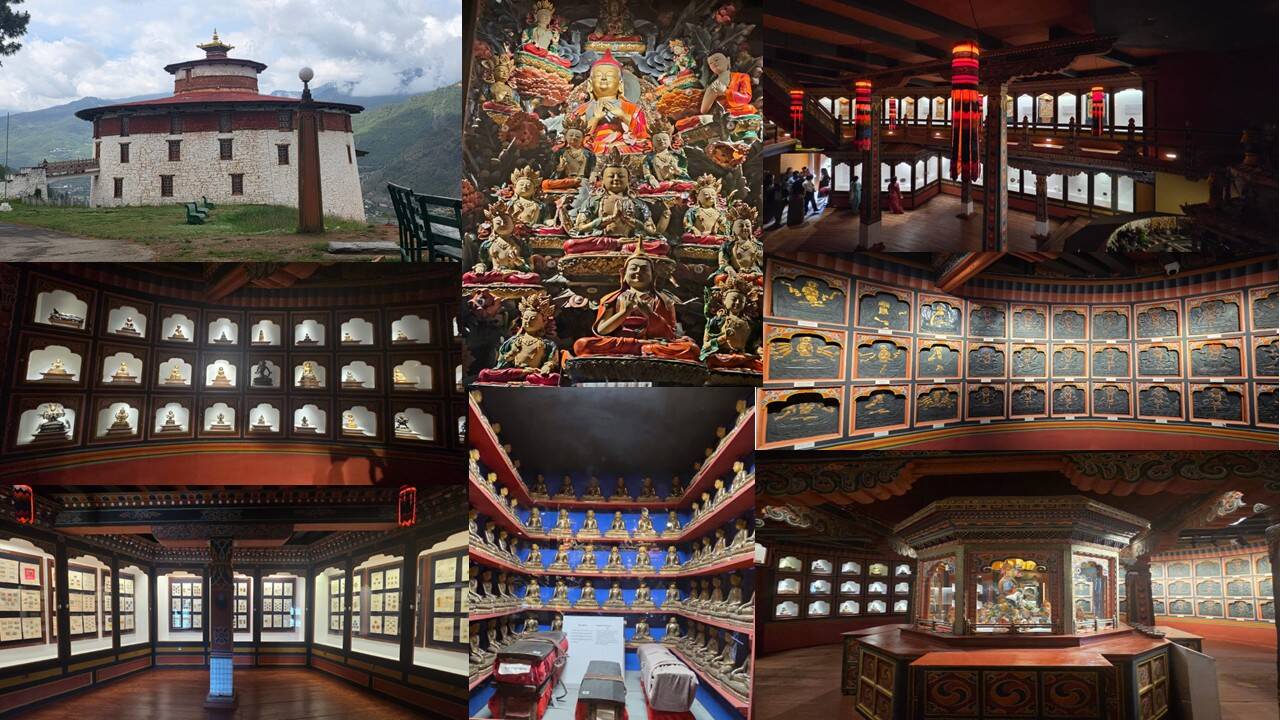
The museum is surrounded by a splendid rose garden overlooking the entire Paro Valley. From its vantage point, one can enjoy breathtaking views of the Chhu river winding through the landscape and aircraft descending gracefully into one of the world’s most dramatic airports. I was astounded by the richness and diversity of the collection. For anyone wishing to understand Bhutan’s heritage, culture, traditions, and spiritual foundations, a visit to this museum is indispensable.
On my return, I stopped at Jangtsa Dumtseg Lhakhang, often referred to as the Nag Temple because of its strong association with Naga energies and the legend of a powerful demoness. Built in 1433 by the revered saint, engineer, and bridge builder Thangtong Gyalpo, the temple occupies a unique place in Bhutanese religious history.
According to local tradition, a powerful female demon spirit was believed to be causing disturbances in the Paro Valley. To subdue her and restore harmony, Thangtong Gyalpo constructed this sacred temple. In Himalayan Buddhist tradition, Nagas, known locally as Lu, are serpent spirits associated with water sources, rivers, lakes, fertility, sacred lands, weather, and rainfall. The temple stands at a spiritually significant location overlooking the confluence of valleys and waterways.
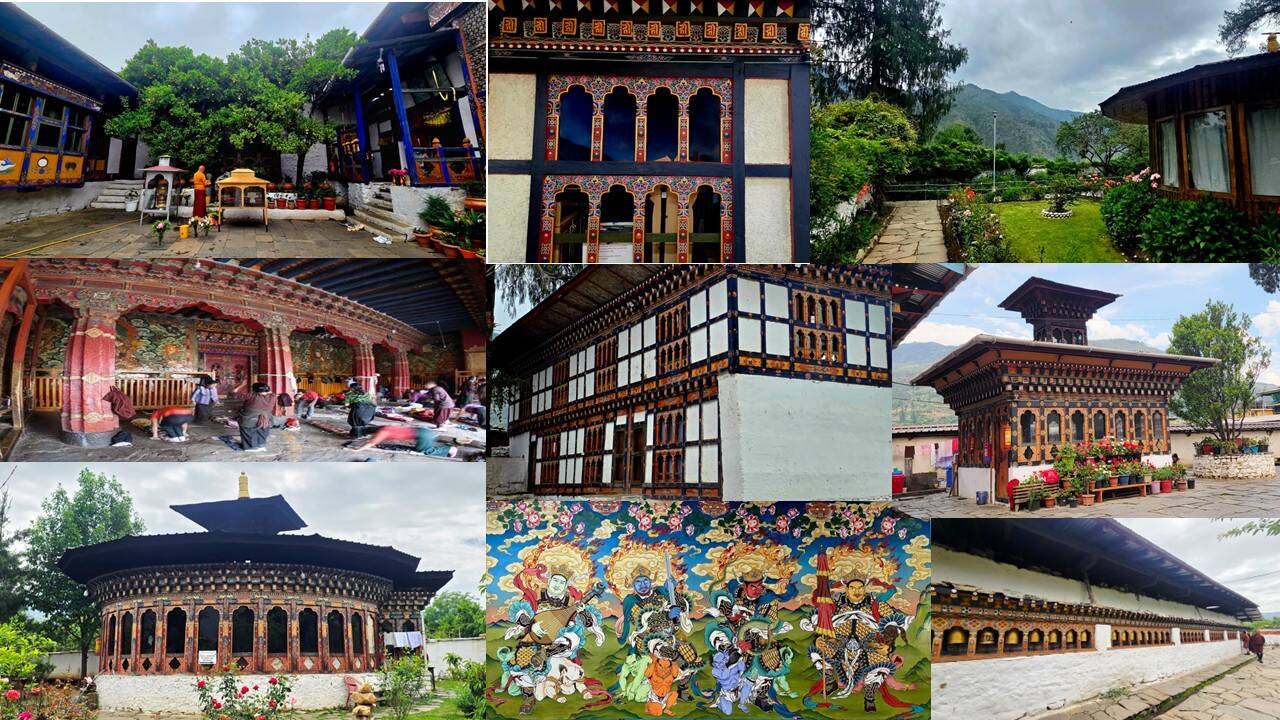
Unlike most Bhutanese temples, Dumtseg Lhakhang is chorten-shaped and rises three storeys high. Designed as a giant mandala, it is one of the rarest examples of religious architecture in Bhutan. Each level symbolises one of the three realms of existence: hell, earth, and heaven, representing the Buddhist journey toward enlightenment.
Inside are some of Bhutan’s finest medieval murals depicting Guru Padmasambhava, protective deities, wrathful guardians, teachings on the Bardo, or after-death state, and profound aspects of Buddhist cosmology. The richly-painted walls vividly illustrate the mandalas and deities central to Vajrayana Buddhism.
Stepping inside felt like entering another world. The dim golden light illuminated centuries-old paintings, while the ancient walls carried a fragrance that seemed to hold the memories of countless prayers and rituals. For a few moments, I felt transported back to the fifteenth century. The atmosphere was mystical, timeless, and deeply moving. Before leaving, I circumambulated the temple and reverently turned all 108 prayer wheels surrounding the sacred structure.
My next destination was Kyichu Lhakhang, one of Bhutan’s oldest and most sacred Buddhist temple complexes. Located near Paro, this revered monastery dates back to the seventh century and is dedicated to Jowo Lhakhang and Guru Lhakhang.
Tradition holds that Tibetan King Songtsen Gampo built Kyichu Lhakhang in 659 CE as one of 108 temples constructed across the Himalayas to subdue a giant demoness who was believed to be obstructing the spread of Buddhism. Kyichu Lhakhang was strategically placed on the demoness’s left foot, symbolically pinning her down and allowing the Dharma to flourish throughout the region.
Over the centuries, great spiritual masters, including Guru Padmasambhava and Bhutanese saints such as Phajo Drugom Zhigpo, visited and consecrated the site, enhancing its sanctity and religious significance.
The temple of Jowo Lhakhang is the original seventh-century structure housing an ancient statue of Jowo Sakyamuni Buddha. The architecture reflects early Himalayan traditions, featuring whitewashed walls, beautifully carved wooden pillars, and a gilded roof.
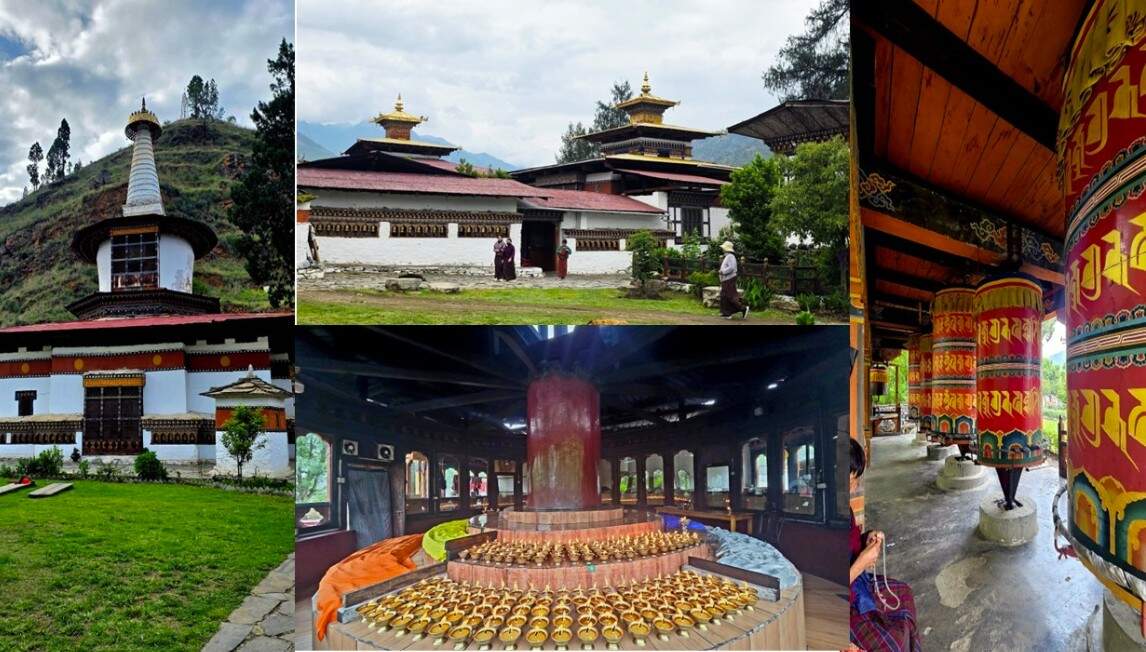

Among its many treasures are a mural of King Gesar of Ling, a magnificent statue of Chenrezig with eleven heads and one thousand arms, and the famous sacred orange trees that have become synonymous with the temple. Kyichu Lhakhang remains a living place of worship where monks and devotees perform daily rituals.
At the entrance stand two extraordinary orange trees that have fascinated pilgrims for generations. Local tradition says that Guru Padmasambhava either planted or blessed these trees during his visit to Bhutan in the eighth century. Because of this sacred association, they are deeply revered by devotees.
Remarkably, the trees bear fruit throughout the year, something regarded as miraculous in Bhutan’s climate. They symbolise continuous spiritual growth, prosperity, abundance, fertility, blessings, longevity, and good fortune. In Bhutanese Buddhist tradition, they are often compared to the Pasam Jon Shing, the celestial Wish-Fulfilling Tree believed to grant blessings and fulfil virtuous aspirations.
I spent time inside the temple praying and meditating in the peaceful atmosphere. I spun prayer wheels, lit butter lamps, and absorbed the profound serenity that permeates every corner of the complex.
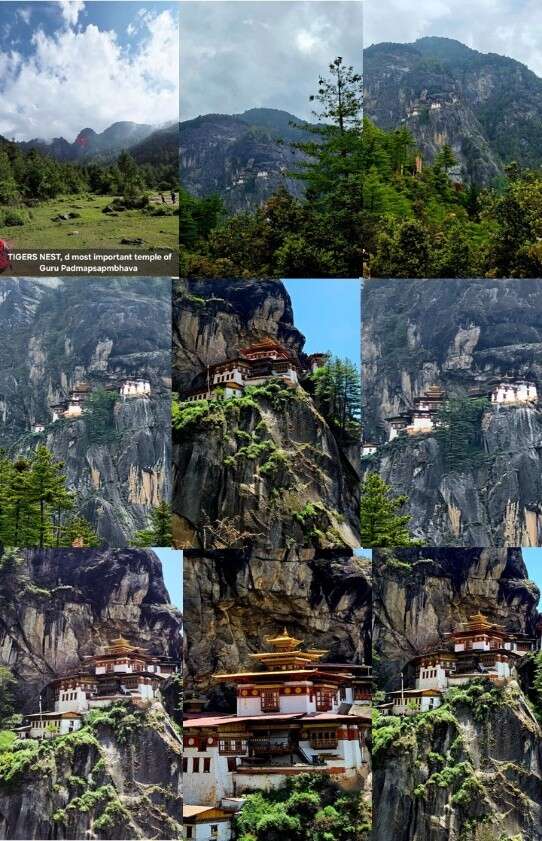

Just 14 kilometres from Paro lies the Taktsang Valley, from where pilgrims begin the ascent to the legendary Tiger’s Nest Monastery. That remarkable journey awaited me next.
As evening descended upon Paro, I wandered through the market area, sampling local cuisine and browsing shops filled with beautiful paintings, handicrafts, and traditional artwork. The town exuded a gentle rhythm of life. I spent some quiet moments by the riverside, reflecting on the experiences of the day.
The following morning, I was scheduled to fly to Bumthang in eastern Bhutan. As I prepared to leave, I realised how deeply Paro had touched my heart. Its unique blend of culture, heritage, spirituality, tradition, peace, and prosperity creates an atmosphere unlike anywhere else. Above all, it is the warmth, humility, and kindness of its people that leave a lasting impression.
Disclaimer
Views expressed above are the author’s own.