
Dancing Girl cover-up reveals more about us than we think
Earlier this year, artist Shakibul Islam went to the Lepakshi temple in Andhra Pradesh. He was shocked to find that the stone relief figures of the 16th-century temple, both male and female, had their private parts discreetly covered by strips of cloth. What was worse, the modesty strips had been nailed in place. When he asked the security guard how this could be done in a site protected by the Archaeological Survey of India, the guard replied, “Local families come here. They have done this, so there’s no bad influence on their children. We cannot do anything.”
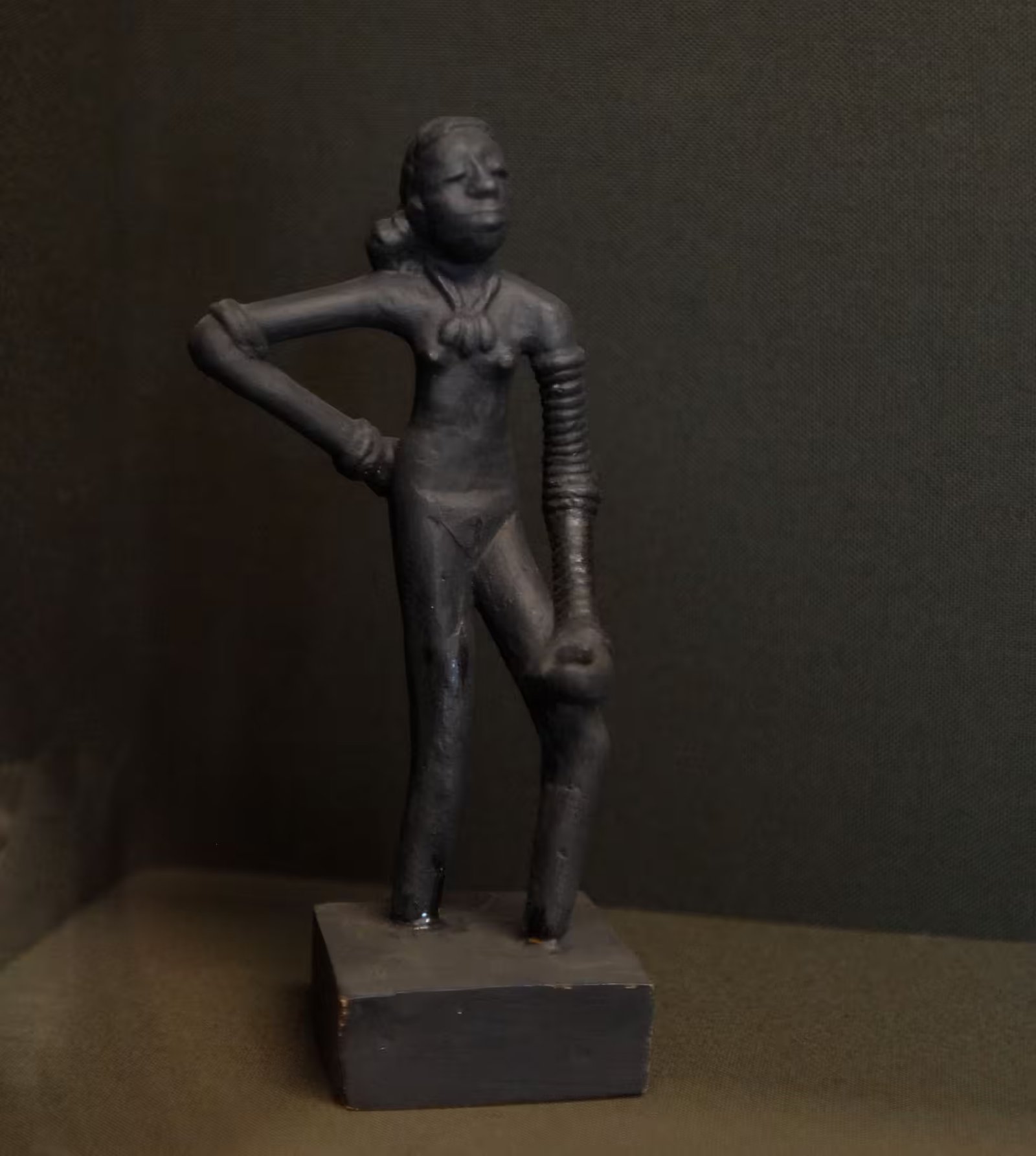
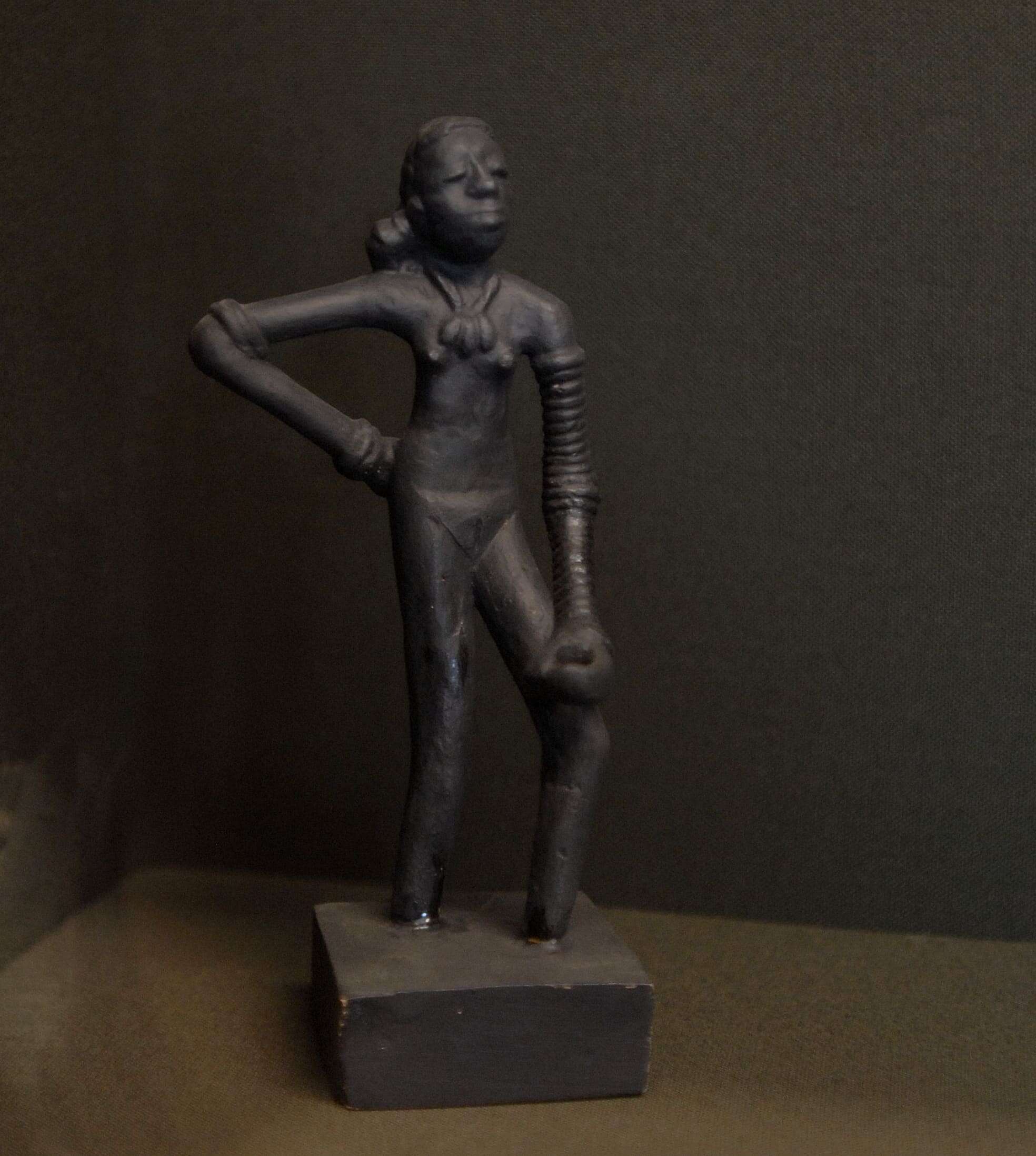
Islam was so distraught at what he felt was an assault on India’s art history that he wondered how far back this impulse to censor could extend. So, he created an artwork based on the oldest nude art object he knew from Indian history — the iconic 4,500-year-old bronze statuette of the so-called Dancing Girl of Mohenjo-daro. In his version, a strip of white is draped across her body, discreetly hiding most of her naked torso. He never exhibited it, but within two months, to his utter shock, his satirical vision had become reality.
An NCERT textbook swathed the Dancing Girl in a more family-friendly wrap, which oddly drew more attention to its original nudity. Its logic was the same as the security guard’s — saving children from “bad influences.” An uproar ensued. Educationist and historian Michel Danino said it “misrepresented” a beautiful work of art much as the Church in the Middle Ages did when it added a fig leaf to Michelangelo’s David. The decision was quickly reversed, but the questions it raises about our obsession with defining what is vulgar and obscene remain.
The Dancing Girl is no stranger to controversy. Almost 30 years ago, BJP leaders had objected to her being included in a Delhi Tourism brochure because she could have a “bad influence” on children. Deja View, much?
She was dubbed the ‘Dancing Girl’, but that itself is an assumption. We actually know nothing about her. Mythologist Devdutt Pattanaik said, “This is also exactly the way a woman stands when she is quarrelling. Why can’t you see a petulant girl? Perhaps there is some ritual purpose. But we have decided she has to be a dancing girl. Just as we decided a man with a beard and shawl must be a priest king.”
In fact, calling her a Dancing Girl says less about her and more about us. It is all in the eye of the beholder. Just like vulgarity and obscenity, terms we struggle to define.

The Regina v Hicklin (1868) case established the Hicklin test, which said if a portion of a work was deemed obscene (as in it could “deprave and corrupt”), the entire work could be outlawed. The case at issue was whether an anti-Catholic pamphlet showing the “depravity of the Romish priesthood” could be banned since its intent was to show the problems afflicting the Church, not corrupt the public. The Hicklin test ruled it could. In the US, the Hicklin test was finally laid to rest in 1933 when a judge ruled that one could not just cherry-pick passages from James Joyce’s Ulysses and call it obscene. And it said the court needed to consider its impact on the average person, not just the most susceptible person.
Indian courts used the Hicklin test to prosecute a bookseller selling unexpurgated editions of ‘Lady Chatterley’s Lover’ in 1964. But India has since moved away from the Hicklin test, relying on “community standards” instead. So, a nude photograph of Boris Becker and his fiancée was deemed journalistic, not obscene in Aveek Sarkar v State of West Bengal in 2014. But as the case against YouTuber Ranveer ‘BeerBiceps’ Allahbadia shows, obscenity is always a work in progress.
We say it is about protecting the children, but are children just the fig leaf here for our own discomfort? We live in a world where murals of women doing yoga in Gwalior had to be whitewashed because vandals kept leaving scratch marks around their private parts. One doubts whether this came about because these people saw the Dancing Girl in their history books as impressionable children.
Recently, US President Trump celebrated his 80th birthday with a high-octane ‘cage fight’ on the White House lawn. Conservative commentator Bill Kristol said the event captured something about this particular historical moment. “After all, it’s vulgar, it’s violent, it’s commercial, it’s grandiose, it’s tacky, and it dishonours a place once thought worthy of care and respect. In other words, it’s Donald Trump.”
But put side by side, this dressing down of Trump’s cage fight and the dressing up of the Dancing Girl remind us that while we relentlessly cover up what we deem as obscene, we are more than happy to flaunt the vulgar.
Disclaimer
Views expressed above are the author’s own.