Public–private partnerships on the road to Viksit Bharat 2047
India’s cultural resurgence is no longer confined to symbolism or ceremonial diplomacy. It is increasingly becoming an instrument of national strategy combining heritage, soft power, tourism, philanthropy, and creative industries into a new grammar of nation-building. Three recent developments capture this transformation vividly: India’s participation at the Venice Biennale, the return of the sacred Buddha relic jewels after 127 years, and the Adopt a Heritage initiative. Together, they reveal an important evolution in the Ministry of Culture’s approach, from state-centric preservation toward collaborative cultural stewardship through public-private partnerships (PPP).
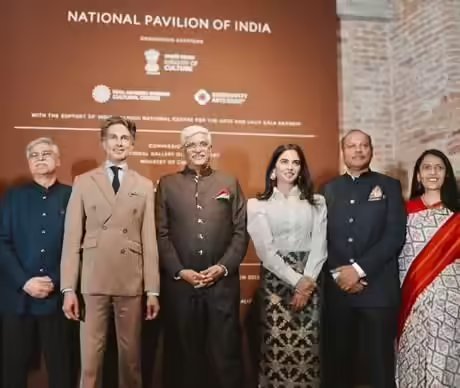
As India advances toward Viksit Bharat 2047, culture is emerging not as an ornamental sector, but as a foundational pillar of civilizational confidence and global influence. India’s pavilion at the 2026 Venice Biennale symbolized this shift powerfully. The collaboration between the Ministry of Culture, the National Gallery of Modern Art (NGMA), the Indira Gandhi National Centre for the Arts (IGNCA), and private institutions such as the Nita Mukesh Ambani Cultural Centre (NMACC) and Serendipity Arts Foundation demonstrated how state institutions and private philanthropy can together project India’s cultural identity on a global platform.
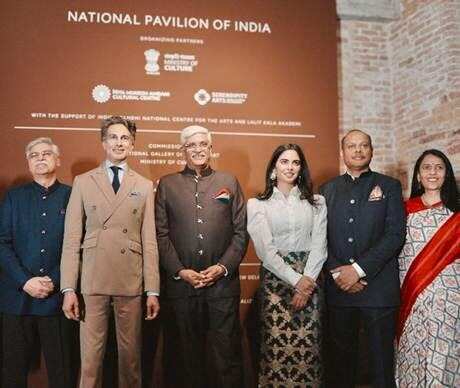

The role of private partners was complementary. NMACC brought international curatorial expertise, sponsorship capability, audience outreach, and global cultural networks. Serendipity Arts Foundation contributed multidisciplinary programming, artist engagement, and contemporary cultural dialogue. Partnerships were also entered into with art galleries representing participating artists, with institutions such as JSW Foundation further strengthening the breadth of private engagement.
This partnership model recognizes a simple reality: culture today requires both institutional legitimacy and entrepreneurial agility. Governments alone cannot create globally competitive cultural ecosystems. Equally, private institutions without public partnership cannot fully represent national civilizational narratives. The Venice model succeeded because it combined the strengths of both. The pavilion’s emphasis on sustainability, indigenous materials, artisanal traditions, and contemporary Indian aesthetics reflected an India increasingly comfortable presenting itself through its own civilizational vocabulary rather than borrowed frameworks of modernity. This marks an important transition in India’s soft power strategy, from relying on inherited strengths such as yoga and spirituality to building institutional ecosystems capable of continuously producing cultural influence.
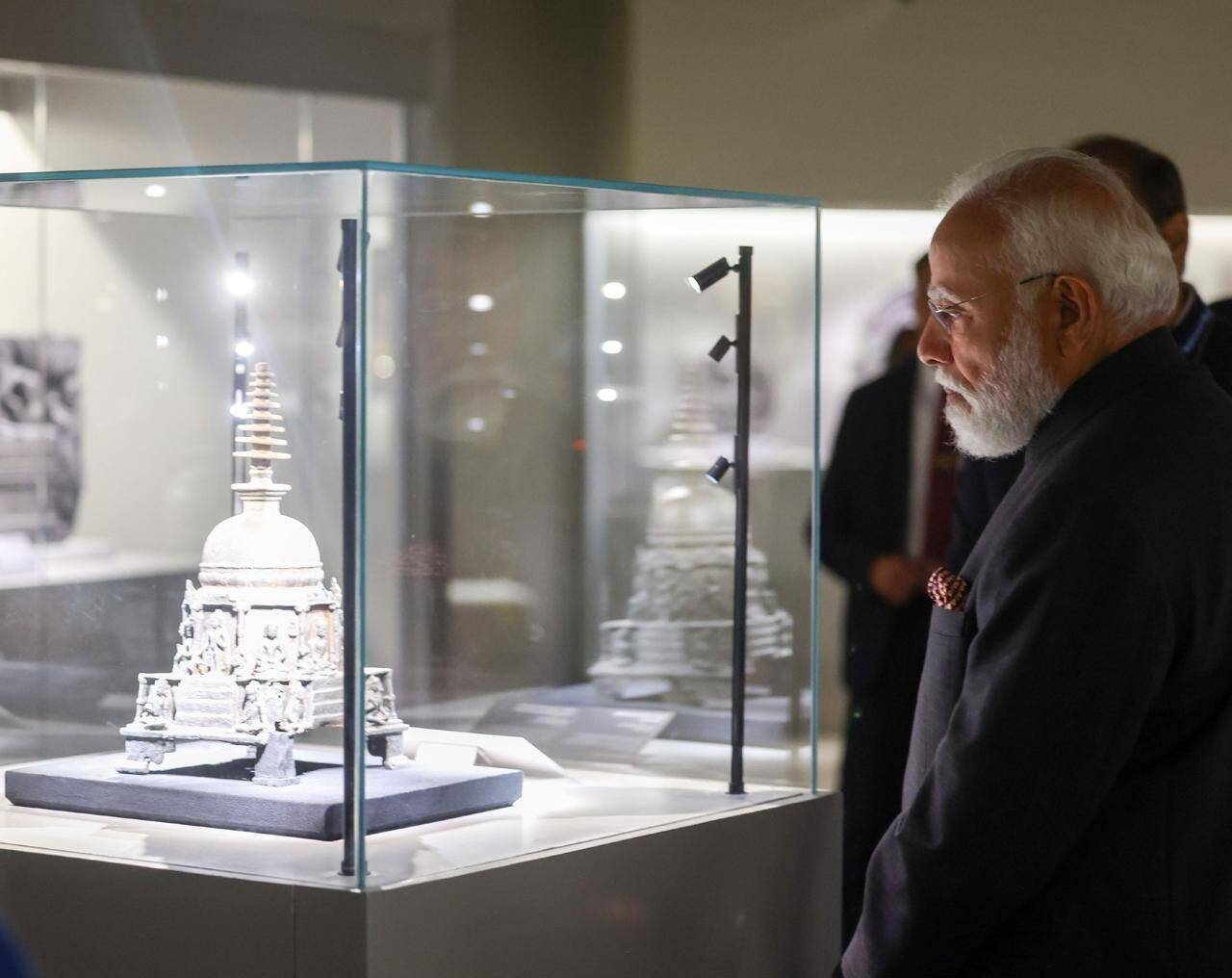

Another important example of this emerging cultural statecraft was the return of the sacred Piprahwa Buddha relic jewels after 127 years. The repatriation effort became a landmark case of collaborative heritage diplomacy. The Ministry of Culture worked alongside the Godrej Industries Group to halt the international auction of the relics and facilitate their return to India. The role played by the Godrej Group demonstrated how responsible corporate participation can strengthen national cultural missions. Beyond financial intervention, private partners contribute agility, international outreach, institutional credibility, and the ability to respond quickly in global cultural negotiations. The acquisition and repatriation of the relics reflected not merely philanthropy, but a form of cultural trusteeship where private industry participates directly in preserving civilizational heritage.
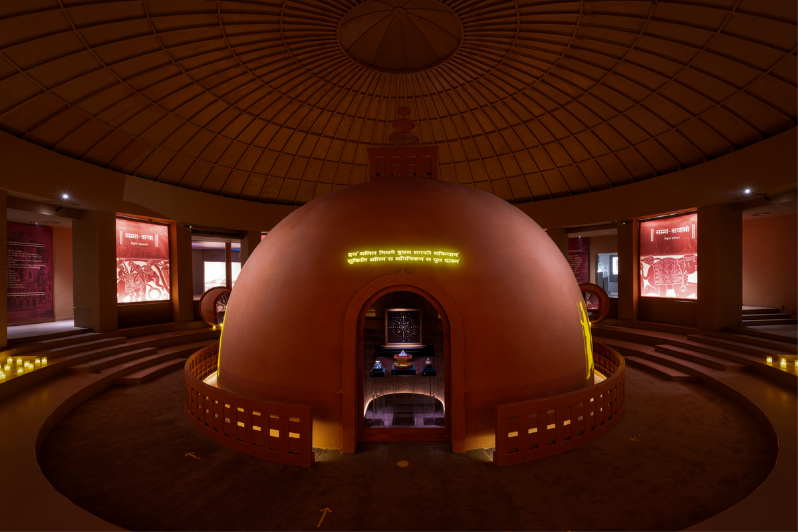

The subsequent exhibition, The Light and The Lotus – Relics of the Awakened One, further illustrated the Ministry’s evolving strategy of combining museums, scholars, state institutions, and private partners to create globally resonant cultural experiences. By reuniting returned jewels with relics preserved at the National Museum and the Indian Museum, Kolkata, the initiative transformed heritage preservation into an instrument of spiritual diplomacy and soft power.
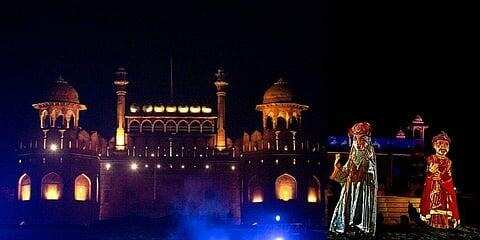
The Ministry’s collaborative approach is also visible in the Adopt a Heritage initiative, which sought to improve visitor infrastructure at heritage sites through partnerships with corporations and private stakeholders. One of the most visible examples is the involvement of the Sabhyata Foundation of the Dalmia Bharat Group at the Red Fort under the “Monument Mitra” programme. The partnership aimed to improve visitor amenities, signage, lighting, sanitation, interpretation systems, and overall tourist experience while preserving the monument’s historical integrity. The significance of the Dalmia initiative lay not merely in financial support, but in introducing professional management practices, sustainability approaches, and visitor-centric thinking into heritage tourism. While debates emerged around branding and commercialization, the initiative nevertheless opened an important conversation about shared stewardship of culture. The government retained ownership and conservation authority, while private partners supplemented state capacity through operational support, technology, funding, and innovation.

This reflects a larger policy evolution wherein the Ministry of Culture catalyzes and actively enables artistic and cultural ecosystems. Such a shift is essential when one considers the scale of India’s civilizational wealth. India has thousands of monuments, countless craft traditions, extensive manuscript collections, living spiritual traditions, and rapidly expanding creative industries. No government machinery alone can sustainably conserve, digitize, promote, and globalize this vast cultural repository. Public-private partnerships therefore are not optional, they are inevitable.
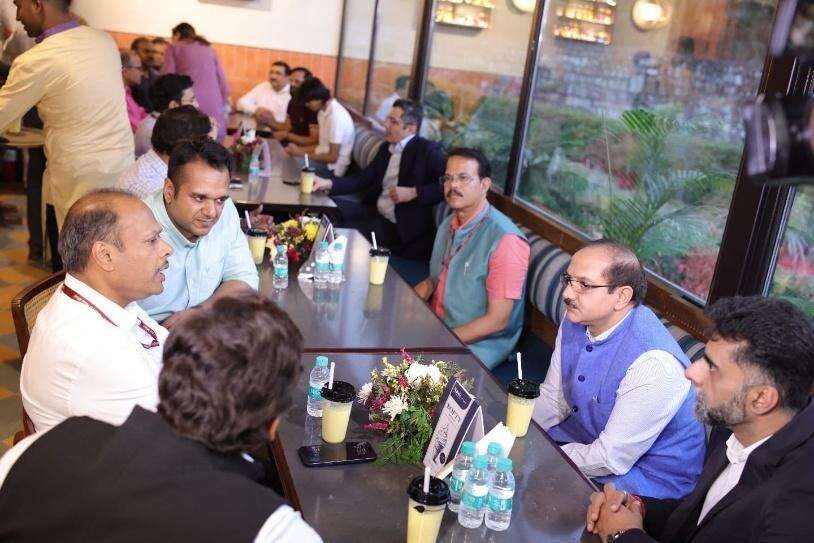

The recent inauguration of the Savee Cafeteria and the Smaranika retail outlet at the Qutub Minar complex in New Delhi is another example under the Adopt a Heritage 2.0 programme of the Archaeological Survey of India (ASI) which further strengthens India’s evolving Public–Private Partnership (PPP) model in the cultural and heritage sector. With the EaseMyTrip Foundation adopting the UNESCO World Heritage Site, the initiative demonstrates how private participation can directly enhance on-ground visitor experience while supporting public stewardship of nationally significant monuments. By improving amenities, hospitality infrastructure, and visitor services within a carefully regulated heritage framework, this development extends the PPP narrative beyond conservation into experiential tourism. It reflects a broader policy shift where private partners are not only supporting preservation, but also actively contributing to making India’s heritage sites more accessible, sustainable, and globally competitive in cultural tourism. At present under the Adopt a Heritage 2.0 Programme more than 30 MOUs are in place.
The National Culture Fund (NCF), a trust under Ministry of Culture, Govt. of India , serves as a financing mechanism for enabling-donor/sponsor institution to support Protection, Restoration, Conservation and Development of India’s rich tangible and intangible culture and heritage (Monuments/Cultural Traditions) directly as partners with the Government. The National Culture Fund (NCF) has enabled participation from private sector corporates beyond PSUs in the conservation of India’s built heritage under structured CSR partnerships. Hudco, IOCL, Infosys, JSW Foundations, Sony India Private Ltd. are just some of the institutions that have championed preservation-related interventions, facility improvement etc. at select protected monuments, reflecting growing private sector engagement in cultural infrastructure.
The larger significance of these initiatives lies in their connection to India’s long-term national vision. Great powers are not built by economics alone. They are sustained by civilizational confidence, narrative influence, and cultural continuity. Nations that shape global imagination command deeper and more enduring influence than those relying solely on material strength.


South Korea strategically supported K-culture. France institutionalized cultural diplomacy decades ago. India, with perhaps the world’s richest civilizational inheritance, is now beginning to systematically align culture with national strategy. The Ministry of Culture’s emerging PPP framework could become central to this transformation.
First, such partnerships allow scale. Museum modernization, global exhibitions, heritage tourism, digital archives, and cultural infrastructure require investments beyond conventional government budgets. Second, private participation introduces managerial innovation and global presentation standards. Institutions often bring expertise in branding, fundraising, curation, technology, and audience engagement that public institutions may struggle to mobilize quickly. Third, collaborative models democratize cultural participation by involving artists, scholars, local communities, philanthropists, entrepreneurs, and youth as stakeholders in national cultural missions. Finally, culture-linked PPPs generate economic value through tourism, festivals, crafts, design, and creative industries. The future global economy will increasingly reward countries capable of monetizing cultural capital intelligently and ethically.
However, safeguards remain essential. Commercialization cannot override authenticity. Heritage cannot become merely a branding exercise. Public accountability and conservation integrity must remain paramount. The Ministry’s role as custodian and regulator therefore remains indispensable.
The Venice Biennale, the return of the Buddha relic jewels, and the Adopt a Heritage initiative together point towards a larger synthesis, one where state vision and private participation converge to preserve and project India’s cultural identity. On the road to Viksit Bharat 2047, India’s rise will not be measured only through GDP growth, infrastructure, or technology. It will also be measured by the confidence with which India preserves its heritage, empowers its artists, reclaims its civilizational memory, and shares its cultural imagination with the world.
That is the real promise of India’s emerging cultural renaissance: a partnership between state stewardship and societal participation, between heritage and innovation, between memory and modernity. This larger cultural vision aligns closely with Prime Minister Narendra Modi’s repeated emphasis that India’s development journey must remain anchored in its civilizational roots. His articulation of “Vikas Bhi, Virasat Bhi” has increasingly shaped the Ministry of Culture’s approach treating heritage not as a static memory of the past, but as a living force in nation-building.
Under this vision, culture is no longer viewed merely as preservation of monuments or ceremonial tradition. It is linked to diplomacy, tourism, livelihoods, spiritual outreach, creative industries, and India’s global identity. Whether through the restoration of temples and sacred sites, the repatriation of antiquities, promotion of Buddhist diplomacy, support for global cultural platforms like the Venice Biennale, or initiatives connecting local artisans with international audiences, the underlying message has remained consistent: India’s rise as a modern power must also reflect its civilizational continuity.
The growing use of public-private partnerships in the cultural sector reflects this broader philosophy. The state provides direction, legitimacy, and custodianship, while private institutions, philanthropists, industry groups, museums, and civil society contribute innovation, resources, and global outreach. Together, they are helping shape a new cultural architecture for India, one that seeks to position the country not only as an economic power, but as a confident civilizational force on the road to Viksit Bharat 2047.
Disclaimer
Views expressed above are the author’s own.