7 Common Reasons Your Plants Have Yellow Leaves and How to Fix Them |
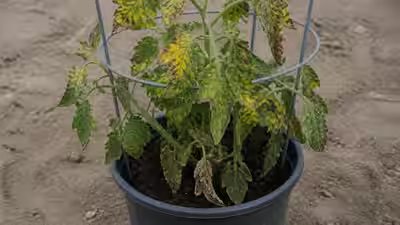
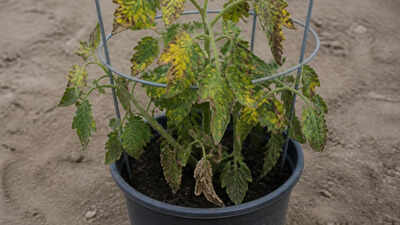
Watching the leaves of a plant turn from a green, glossy foliage to yellow can be concerning for a plant owner. The yellowing of leaves or chlorosis can be caused by myriad reasons largely contingent on the environment the plant is living in. While some common reasons can be contradictory, it becomes crucial nevertheless to not only identify these causes but also avoid treating the wrong cause, as the plant’s health may be further impacted then.Changes in weather can be the first to affect the moisture the roots of a plant are absorbing. In India, with the distinct hot humid temperatures in the south and the dry winters in the north can consequently change a plant’s water and environmental requirements. However, there are some common reasons for why it happens, and fixes that can help ensure that your plants return to having lush, glossy green leaves all year-round.Yellowing of the plant and what can be done?
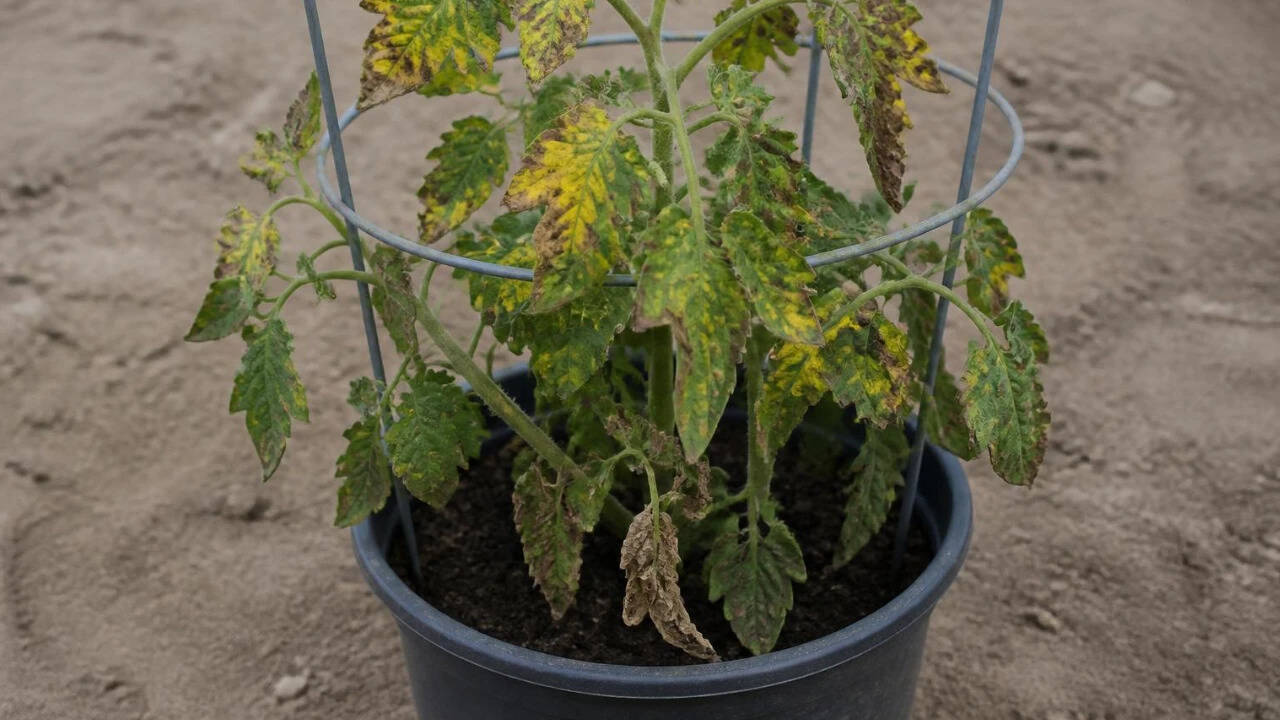
(Image Credit: Canva AI)
Natural ageing
As seasons change and a plant continues to grow, older leaves show symptoms of aging, and one such symptom is their leaves turning yellow. Particularly, in Autumn the plants shed their old, yellowing leaves to make room for newer, green leaves.
Water imbalance
Watering a plant is an absolute necessity for its growth, however, watering too much or too little can cause a plant’s leaves to turn yellow and even advance into brown tips, If a plant is fed too much water and it is not drained consistently and correctly, the trapped moisture can cause the plant to experience moisture stress. Similarly, if the plant is not watered enough, the needed moisture may not reach all the leaves of the plant. To identify the same, especially in potted plants, the lack of moisture can be checked by comparing the top and bottom of the soil, wherein at the bottom the soil will appear drier or paler in comparison to the top.
Nutrients deficiency
Much like all living things, plants too require a variety of nutrients to support and sustain their growth. In a plant, nutrients are mobile and if they are unable to get them from the soil mostly due to changes in the soil pH levels, the leaves will pull them from older leaves to support new growth. As these nutrients will leave older leaves, the production of chlorophyll in them will decline and cause them to turn yellow. This can be identified by examining the lower leaves of the plant, if these are turning yellow first, then the process of nutrient redistribution is taking place. A soil test can help determine if the soil of a plant is compacted or saturated and prevent yellowing while pruning older leaves can assist the plant in supporting new growth.
Rotting of the roots
(Image Credit: Canva AI)
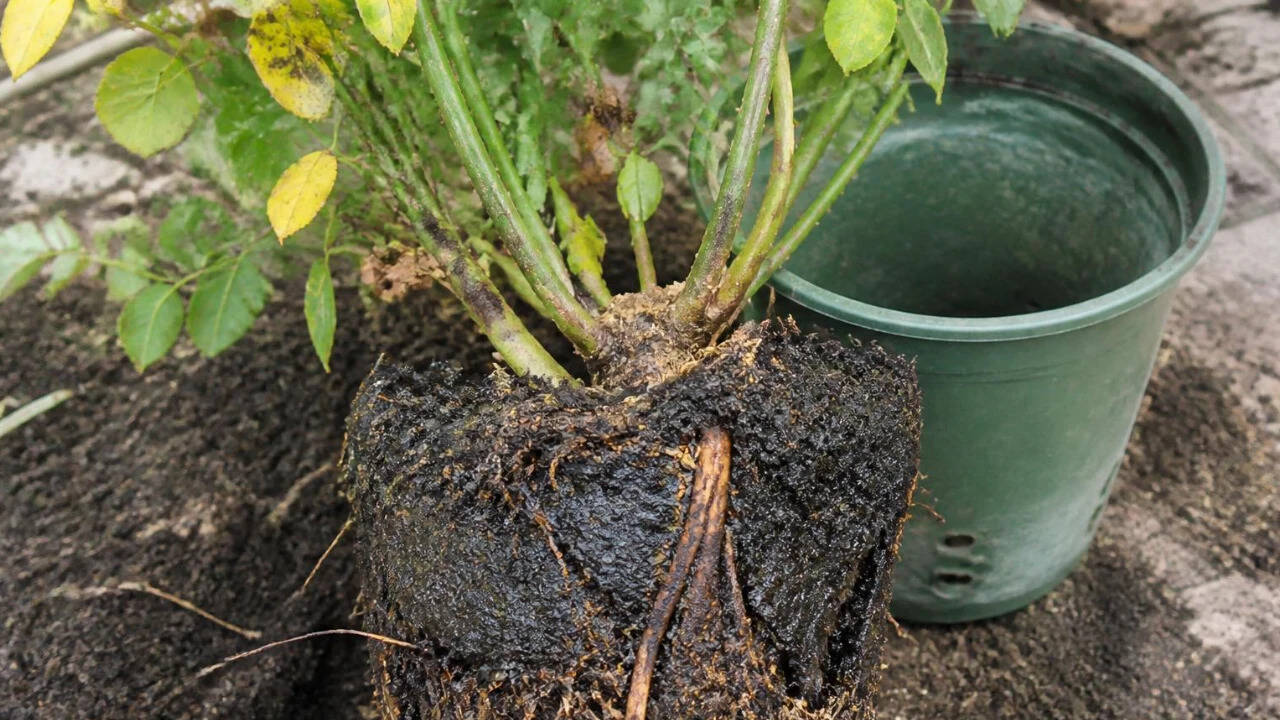
The roots of a plant do a lot more than simply absorbing water; they are integral in sustaining the life of a plant. For this, oxygen is crucial for the roots to receive, however, a lack of air pockets in the soil can cause the roots to suffer from root hypoxia. This can further cause the leaves to turn yellow and even wilt over a period of time. This is most common in indoor plants where dense potting causes the soil to remain wet for longer periods. Regulated drainage of the soil can prevent the roots from rotting and progressing into further damage.
Light deficiency
(Image Credit: Canva AI)
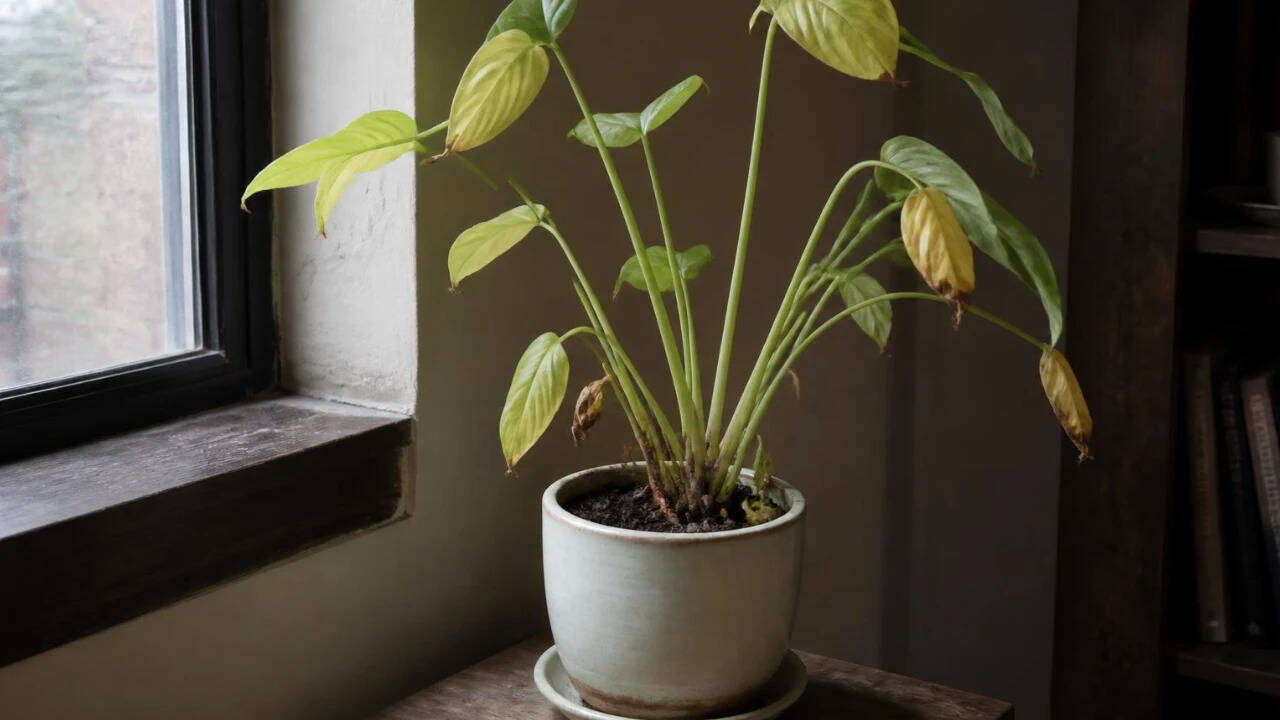
Light is an indispensable factor in the plant’s photosynthesis process, producing the energy and sugars needed for it to grow. Often misunderstood, light deficiency is a common reason for plant’s leaves getting yellow, light deficiency occurs mostly in indoor plants. Plants kept away from light can fail to receive the energy needed for healthy chlorophyll production and, over time, weaken the root system. Moving your in-door plant even a few inches closer to sunlight through a window or a door can help the plant in carrying out its processes adequately.
Pests or insects
Insects feeding on a plant are a common reason behind the plant losing its lush green cover. Clusters of insects feed on different parts of a plant: roots, stems and leaves. Spider mites are infamous for feeding on leaves of a plant, which can puncture its cells by extracting fluids from it. This extraction of fluid can form yellow spots and speckles on a leaf. These insects often lay on the undersides of the lower leaves of a plant, routinely checking them can prevent the insects from feeding on your plant.
Plant virus
A common plant virus in India, Mungbean Yellow Mosaic India Virus is the reason behind the formation of pale yellow mosaic patterns on the leaves of an infected plant. As a serious plant disease mostly spread by insects, it can result in major crop loss.