
4 common myths about starting solids you can stop following today

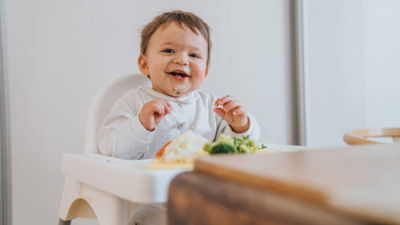
As a child nutritionist and a mom, I’ve seen so many parents feel completely overwhelmed when it’s time to start solids. There is so much conflicting advice out there, and much of it is rooted in “the way it’s always been done” rather than what our babies actually need to thrive.If you are about to start solids or you have just started, let’s clear the air. Here are four common myths you can officially leave behind to create a more peaceful, happy mealtime environment.
Myth 1: You must start with dal ka paani or rice cereal
In many Indian households, dal ka paani, which is the water top layer of cooked dal, is the traditional first food. However, it has no nutrition and doesn’t even taste good. Our kids deserve tasty, flavourful, regular dal. This was advised when babies would start solids at 4 months, when they weren’t even ready so they would need something to just slurp down. Dal ka paani is mostly water and lacks the calories and nutrition that babies need. The same thing with rice cereal. It is stripped of fiber, nutrients, and the packaged ones have been found to have high levels of arsenic. Many babiesWhat to do instead: Instead, focus on offering baby a wide variety of fruits, veggies and iron rich foods from day one. Babies need real food to develop the skills of eating and develop a positive relationship with food and build a diverse gut microbiome.
Myth 2: You must wait 3 days between every new food
The old three-day rule was meant to help identify allergies, but current research suggests this slow pace is unnecessary and can actually make babies pickier later on. Sticking to one food for days can be boring and limits their exposure to different flavours. If your baby has apple one day and has a few bites, you can move on to the next food the next day. You can offer apple again next week with something else, but you don’t have to keep repeating it. Studies show the more variety you offer your baby, the stronger their taste buds, stronger their gut and less chances of picky eating.What to do instead: Unless you are introducing a high-risk allergen (like egg, dairy,nuts, or soy), you can introduce a new food every day. A varied diet from the start helps strengthen the immune system and makes for a more adventurous eater. If it is an allergen food, then that you must test few days in a row, increasing the quantity
Myth 3: Baby food should be bland and seasoning-free
Many parents believe that until age one, food should be strictly steamed and tasteless. While it is important to avoid salt and sugar, as a baby’s kidneys cannot handle excess, this doesn’t mean the food shouldn’t be flavorful. What to do instead: Go ahead and add flavour to your child’s food. From adding indian spices like dhaniya, jeera, haldi to Italian seasonings like oregano, basil, rosemary, this will allow your baby to eat from the family pot much sooner. Even garlic, onion, ginger all have great anti-inflammatory properties and helps the food cook well.
Myth 4: Your baby puts everything in their mouth and stares at you eat at 4 months, so you must start solids
It’s a common sight, a four-month-old watching you eat and reaching for your spoon. While it’s tempting to start then, interest alone doesn’t mean their digestive system is ready to handle solids. The enzymes to digest food only show up at around 6 months of age and babies also need to be able to sit upright to be able to chew and swallow food safely.What to do instead: Following World Health Organization guidelines, it is best to wait until around 6 months. Look for physical signs: can they sit with minimal support, they have good head control, and has their tongue-thrust reflex (pushing food out of the mouth) disappeared? Starting too early can lead to digestive distress and constipation.