World Tuberculosis Day: Ending a preventable tragedy
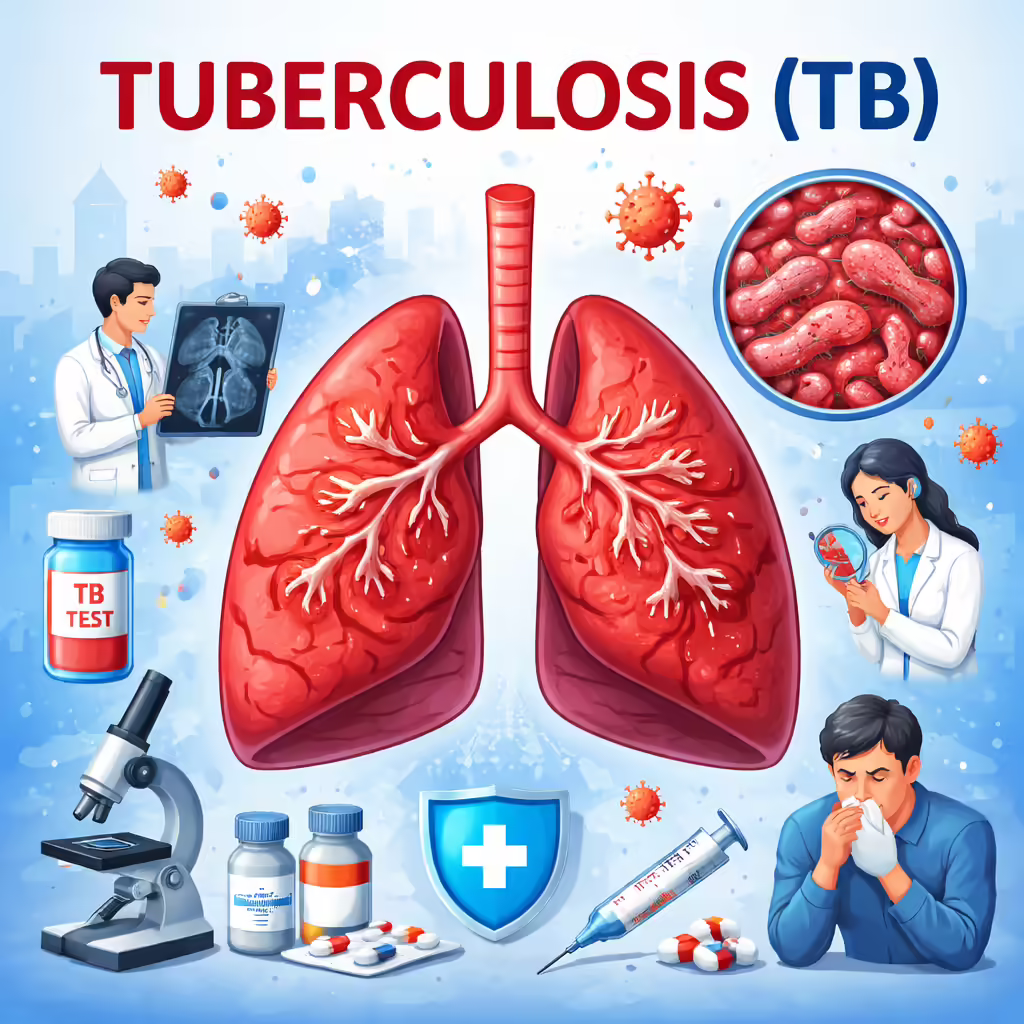
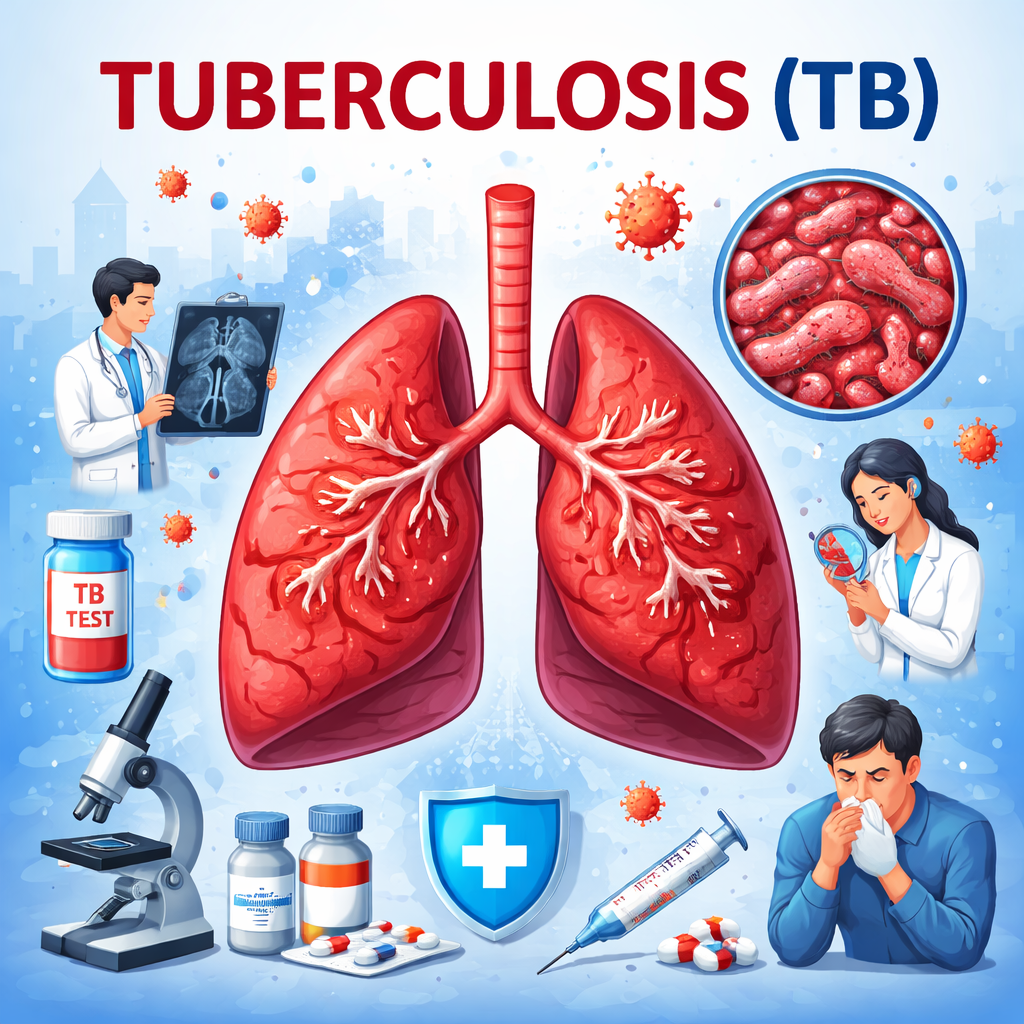

Tuberculosis is caused by Mycobacterium tuberculosis, a bacterium that primarily affects the lungs but can also impact other organs such as the brain, spine, and kidneys. It spreads through the air when an infected person coughs, sneezes, or even speaks.
Symptoms that often go ignored
One of the biggest challenges with TB is its subtle onset. Common symptoms include:
- Persistent cough lasting more than two weeks
- Fever and night sweats
- Unexplained weight loss
- Fatigue and weakness
Because these symptoms overlap with other illnesses, many cases go undiagnosed until the disease has progressed significantly.
India’s TB burden: The epicentre of the fight
A disproportionate share
India accounts for nearly 25% of the world’s TB cases, making it central to global eradication efforts. Millions are diagnosed each year, but a significant number remain undetected or unreported.
The 2025 elimination target
Under the National TB Elimination Programme (NTEP), India has set an ambitious goal to eliminate TB by 2025—five years ahead of the global target set by the World Health Organization (WHO). While commendable, this goal demands unprecedented coordination, funding, and public participation.
The hidden barriers: Why TB persists
Stigma and social silence
Despite being curable, TB carries a heavy social stigma. Many patients delay seeking treatment due to fear of discrimination. In rural and conservative communities, the stigma is even more pronounced, particularly for women.
This silence not only worsens individual outcomes but also fuels community transmission.
Gaps in diagnosis
A major obstacle is underdiagnosis. Limited access to healthcare facilities, especially in remote regions, prevents timely detection. Even in urban areas, a lack of awareness leads to delayed testing.
Treatment challenges
TB treatment typically lasts six months or longer. Maintaining adherence over such a long period can be difficult, particularly for daily wage earners who cannot afford to miss work. Interruptions in treatment can lead to drug-resistant TB, a more severe and complex condition.
The growing threat of drug-resistant TB
What is drug-resistant TB?
Drug-resistant TB (DR-TB) occurs when the bacteria no longer respond to standard medications. This can happen due to incomplete treatment, неправиль [wrong or incorrect] prescriptions, or poor-quality drugs.
A public health concern
Treating DR-TB is significantly more challenging. It requires longer treatment durations and more expensive drugs and often causes severe side effects. The rise of DR-TB is a warning sign that gaps in the healthcare system must be urgently addressed.
Technology and innovation: A ray of hope
Faster diagnosis
Modern diagnostic tools, such as molecular testing, have revolutionized TB detection. Tests such as GeneXpert can identify TB and drug resistance within hours, reducing delays in starting treatment.
Digital health solutions
Technology is also improving treatment adherence. Mobile apps, SMS reminders, and smart pillboxes help patients stay on track. Artificial intelligence is increasingly being used to analyze chest X-rays and detect TB with greater accuracy.
Vaccine development
The century-old BCG vaccine offers limited protection, especially in adults. However, new vaccines are currently in development and clinical trials, offering hope for more effective prevention soon.
Community efforts: The backbone of TB control
Role of grassroots health workers
In India, Accredited Social Health Activists (ASHAs) and community health workers play a crucial role in TB control. They identify symptoms, guide patients to testing centers, and ensure adherence to treatment.
Public awareness campaigns
Mass awareness campaigns are essential to break stigma and encourage early diagnosis. Schools, workplaces, and media platforms must be leveraged to spread accurate information about TB.
Addressing social determinants
Nutrition and immunity
Malnutrition is a major risk factor for TB. A weakened immune system makes individuals more susceptible to infection and slows recovery. Nutritional support for TB patients is therefore critical.
Living conditions
Overcrowded housing and poor ventilation facilitate the spread of TB. Improving living conditions, sanitation, and access to clean air are vital components of TB prevention.
Economic factors
TB disproportionately affects low-income populations. Loss of income during treatment further exacerbates poverty, creating a vicious cycle. Social protection schemes and financial support can help patients complete their treatment without economic hardship.
The role of the private sector
A large proportion of TB patients in India first seek care from private healthcare providers. However, many cases go unreported in the national system. Strengthening collaboration between the public and private sectors is essential for accurate reporting, standardized treatment, and better outcomes.
The road ahead: What needs to be done
Strengthening healthcare systems
India must continue investing in healthcare infrastructure, particularly in rural and underserved areas. Expanding access to diagnostics and ensuring the availability of quality medicines are key priorities.
Increasing funding and political will
TB programs require sustained funding and strong political commitment. The setbacks caused by the COVID-19 pandemic highlight the need for resilient health systems.
Encouraging public participation
Eliminating TB is not just the government’s responsibility. Individuals must be aware, proactive, and supportive of those affected. Early diagnosis and adherence to treatment can save lives and prevent transmission.
A call to action
World Tuberculosis Day is more than a symbolic observance—it is a call to action. TB is preventable, treatable, and curable, yet it continues to take lives due to gaps in awareness, access, and equity.
India stands at a critical juncture. With the 2025 elimination target in sight, the country has an opportunity to lead the global fight against TB. Success will require a collective effort—combining science, policy, and community action.
Ending TB is not just a health goal; it is a step towards a more equitable and healthier society. The time to act is now.
Disclaimer
Views expressed above are the author’s own.
END OF ARTICLE