
Think planting trees will save the planet from global warming? Science says it’s not that simple |
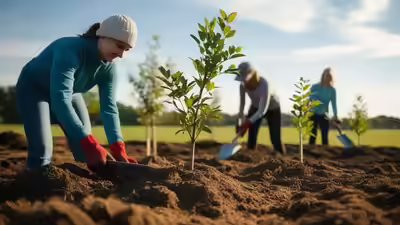
Planting trees is often described as a simple way to deal with climate change. The idea is easy to understand. Trees take in carbon dioxide and store it. Forests also support wildlife and help regulate water systems. Because of this, many governments and companies have promised to plant large numbers of trees. The expectation is that this will offset emissions. EarthDay.org research shows the situation is not that straightforward. Tree planting helps, but only within limits. The overall impact depends on scale, location, and long-term survival. Scientists generally agree that reforestation cannot replace the need to cut emissions from fossil fuels.
Why planting trees is not enough to fight climate change
The trees use this carbon dioxide and the oxygen from photosynthesis. The carbon dioxide is stored in the trees. The amount of carbon stored is reduced. The process is well understood. However, there is a limit to this process. The first limit is land. There is not enough land that can be converted into forests without affecting other food sources. Even if all the land is converted into forests, there is still not enough to cover the amount of carbon being released into the atmosphere from energy production and use. The planting of trees can be a valuable tool in the fight to save the environment. However, there are more forests being planted while others continue to be destroyed. The more forests that are destroyed, the less effective tree planting becomes. When forests are destroyed, the carbon stored is released back into the environment. The forests continue to be destroyed, which is a major source of greenhouse gas emissions. The planting of trees can be considered a replacement for what was destroyed. The preservation of forests is considered a more effective tool. The older forests store more carbon.
Planting trees in the right places matters more
The effectiveness of tree planting also depends on the region. The best results in terms of carbon uptake are generally found in tropical regions. In these areas, trees grow faster and are more effective in absorbing carbon. They also help to increase the level of moisture in the air, which leads to a cooling effect.However, tree planting may not be so effective in colder climates. This is because the ground tends to be covered with snow. Snow reflects the sun’s rays. When trees are planted on this ground, they absorb more heat. This phenomenon is known as the albedo effect. Thus, tree planting in a particular region may be more effective than planting trees all over.
Broader climate impacts and challenges of tree planting
Forests do not only store carbon. They also affect rainfall, temperature, and air circulation. Large-scale changes in forest cover can alter regional climate patterns. Some studies indicate that these effects can extend beyond the immediate area. Changes in one region may influence conditions elsewhere. Tree planting projects do not always succeed. These involve planting a single species over large areas. Such systems are more vulnerable to disease and environmental stress. In some regions, climate conditions have increased fire risk. Poorly managed forests can contribute to fuel buildup. When fires occur, stored carbon is released, reducing the intended benefit.
Why tree planting cannot replace cutting carbon emissions
The reduction of emissions from fossil fuels remains the most significant step to combat climate change. Energy production, transportation, and industries continue to emit a lot of carbon dioxide. Tree planting can be an added step to these measures, but cannot replace them. Other measures include protecting existing trees and better land management. Tree planting can be a helpful step in dealing with climate change. This is because tree planting can help in carbon storage and stability. However, tree planting can only be helpful when done in conjunction with other measures.The current evidence indicates that dealing with climate change involves a number of measures. Reforestation is one of these measures, but it should be done in conjunction with a reduction in greenhouse emissions.