
The true scale of student-led movements
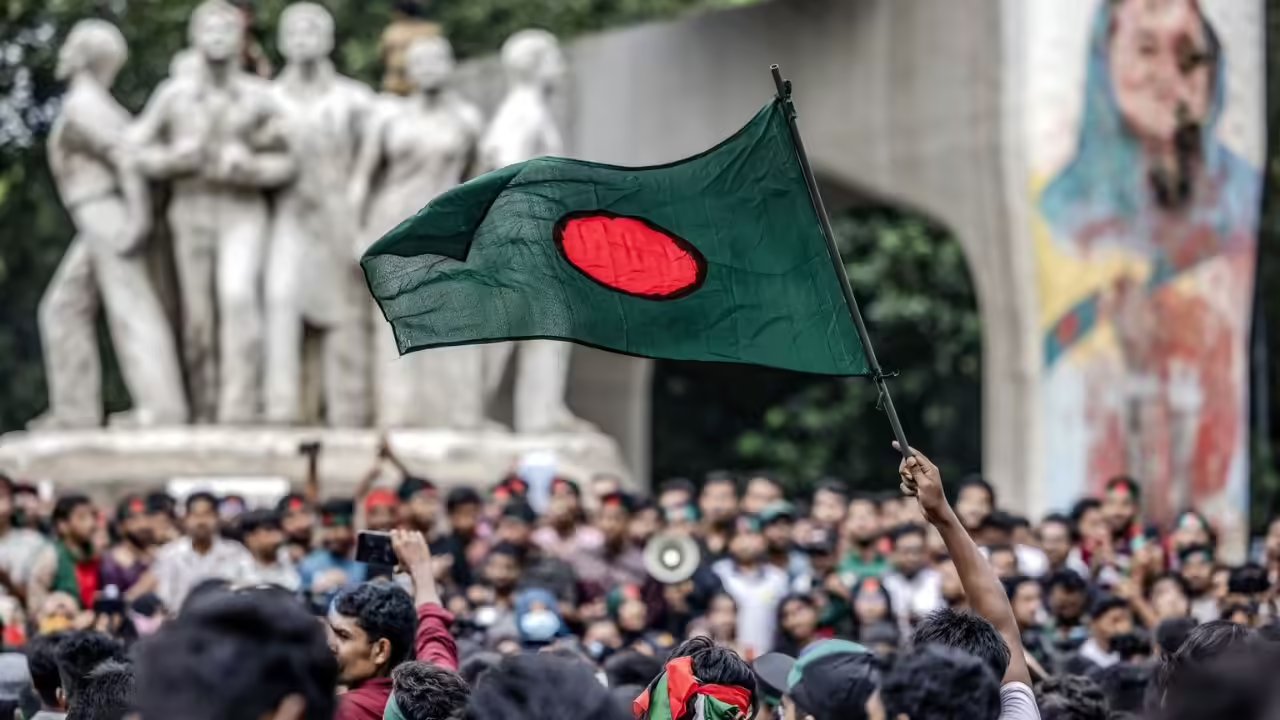
The recent electoral outcome in Bangladesh presents a striking contrast between perception and reality. The student movement, which had played a visible role in the chain of events that led to a change in government amid widespread global criticism of the Sheikh Hasina administration, contested 30 seats but managed to win only five. This gap between perceived influence and actual electoral acceptance reveals important underlying truths.
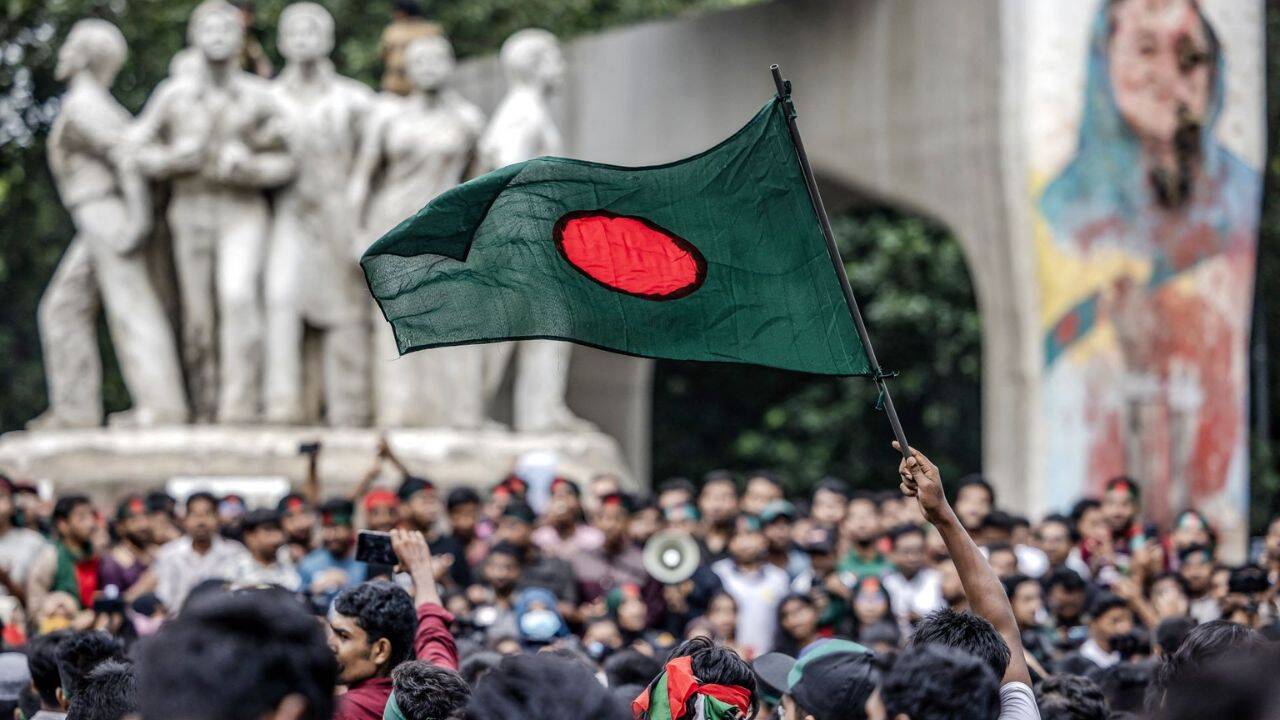

First, student-led movements possess the ability to amplify their voices far beyond their numerical strength. Through organized mobilization, communication networks, and sustained visibility, they are able to create a sense of momentum that attracts both domestic and international attention.
Second, such movements often receive support—both overt and covert—from external sources. Hidden powers and international financial and institutional backing can help sustain and amplify these movements, enabling them to operate with a scale and reach disproportionate to their organic grassroots strength.
Third, these protests are frequently projected as representing a nationwide groundswell. Through sustained amplification and narrative building, what may be localized or limited movements are presented as national uprisings, shaping both domestic perception and international opinion.
Fourth, the ambitions and projected influence of these movements often stand in sharp contrast to their actual acceptance among the broader population. The electoral results in Bangladesh demonstrate that their grassroots support is far more limited than the perception created during periods of protest and unrest.
This pattern reflects a broader geopolitical reality. Hidden forces with hegemonic interests seek to ensure that regions with the potential for rapid growth and transformation remain entangled in internal instability. The objective is to prevent the most populous regions of the world from overcoming backwardness and emerging as strong, independent challenges to established global power structures. By encouraging or amplifying internal divisions and unrest, these forces effectively slow down growth momentum and ensure that emerging regions remain preoccupied with domestic strife.
This phenomenon is not limited to Bangladesh. Similar attempts have been witnessed in Pakistan, Nepal, and Sri Lanka, where internal unrest and political instability have shaped national trajectories. In India, however, such attempts have not met with comparable success. Despite sustained efforts by detractors, often supported and encouraged by these hidden forces, the country’s leadership has remained resilient and continues to command significant public support.
There is also a consistent pattern in the way such student-led movements are portrayed internationally. Movements that are relatively limited in scale are projected as representing the will of entire populations. This amplification, driven by powerful media ecosystems and external backing, creates a perception that regime change reflects overwhelming popular demand, even when electoral outcomes suggest otherwise.
Ultimately, these developments must be understood within the larger framework of geopolitics. Perception is shaped, narratives are amplified, and internal dynamics are influenced in ways that serve broader strategic interests. What appears on the surface as spontaneous mass mobilization is often part of a larger contest over influence, stability, and the future balance of power in the region.
Disclaimer
Views expressed above are the author’s own.
END OF ARTICLE