The expanding waistline of a growing nation
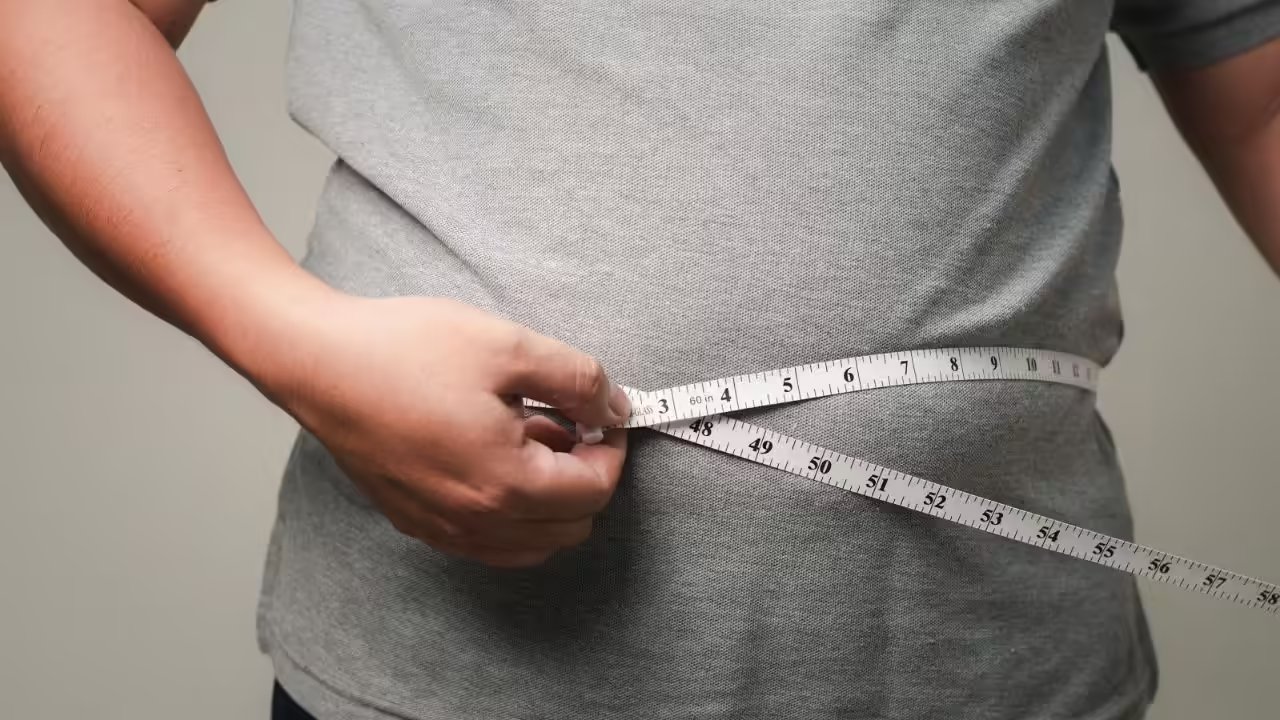
Every Monday morning, before the clinic fills up, I look at my appointment list and try to guess the stories behind the names. By noon, those stories unfold in remarkably similar ways. A 28-year-old software engineer with prediabetes. A 35-year-old mother struggling with weight gain after pregnancy. A college student with fatty liver. A 42-year-old executive shocked to learn he has hypertension.

The pattern is unmistakable. India is getting heavier — and sicker — earlier than ever before.
On World Obesity Day, we must confront a difficult truth. Obesity is not creeping up on us. It is racing ahead, quietly altering the health profile of an entire generation. And yet, we continue to treat it as a cosmetic issue rather than the chronic medical condition it truly is.
For years, the conversation around weight has been simplistic: eat less, move more. If only it were that easy. The human body is not a calculator; it is a survival machine. When weight increases, it adapts. When weight decreases, it fights back. Hormones that regulate hunger and fullness shift. Metabolism slows. Stress, sleep deprivation, genetics and environment all enter the equation. The modern Indian lifestyle — long commutes, sedentary work, ultra-processed foods, late-night screen time — makes that biological battle even harder.
And for Indians, the stakes are uniquely high. We develop diabetes, heart disease and fatty liver at lower body mass indices compared to many Western populations. A “little extra” around the waist is not harmless. It is metabolically active and dangerous.
But here is where I believe we need a new way of thinking.
We must move from weight loss to health gain.
Instead of asking, “How many kilos did you lose?” we should ask, “How has your energy improved? Has your blood sugar stabilised? Are you sleeping better?” The goal is not aesthetic thinness. It is metabolic resilience.
In my clinic, I have started reframing conversations. Rather than prescribing punishment diets, I prescribe patterns. Protein at every meal. Fibre before carbs. Walking meetings instead of seated ones. Ten-minute post-meal walks to blunt glucose spikes. Digital sunset an hour before sleep. These are not dramatic transformations. They are sustainable shifts.
We also need innovation beyond the clinic walls.
Urban design must become a health tool. Sidewalks that invite walking. Public parks that feel safe. Office buildings that encourage stair use. School curriculums that protect sports hours as fiercely as academic ones. Food labels that are clear enough for a child to understand. Health cannot remain an individual burden in an environment that promotes weight gain.
Another shift we urgently need is in language. Words like “fat,” “lazy,” and “undisciplined” have no place in medicine. Shame increases cortisol. Cortisol increases weight retention. Stigma is not just unkind; it is counterproductive.
Treatment, too, has evolved. Lifestyle modification remains foundational, but modern pharmacotherapy and bariatric surgery have changed the landscape for selected patients. These are not shortcuts; they are evidence-based tools. Just as we treat blood pressure and cholesterol with medication when needed, obesity deserves medical seriousness.
Yet the most powerful intervention remains early prevention. Children today are growing up with less outdoor play and more digital immersion. Sugary beverages have replaced water in many households. If we do not intervene early, we are designing a future of earlier heart attacks and longer years lived with chronic disease.
World Obesity Day should not be about alarm; it should be about alignment. Alignment between doctors and patients. Between families and schools. Between policymakers and public health experts.
When a patient apologises for their weight, I gently remind them: this is not about blame. It is about biology, environment and opportunity. Our job — as physicians, as citizens — is to create better opportunities for health.
The scale tells only one story. The real narrative lies in the arteries, the liver, the pancreas, and the mind. If we redefine success as strength, stamina and long-term vitality, not just kilograms lost, we can change the trajectory of this nation’s health.
India is a young country. Let us not allow it to age metabolically before its time.
Disclaimer
Views expressed above are the author’s own.
END OF ARTICLE