Satish Gujral at Bikaner House
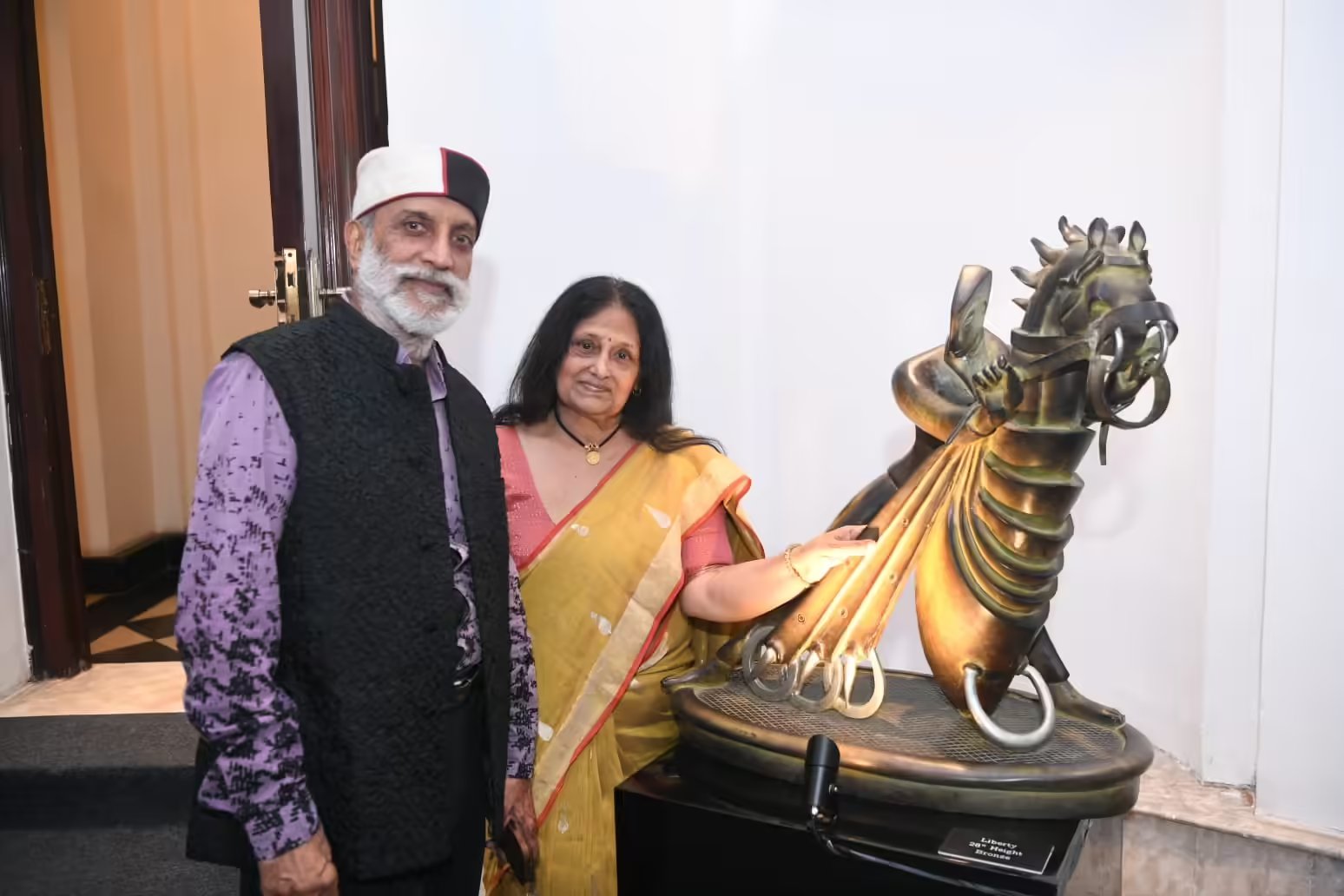
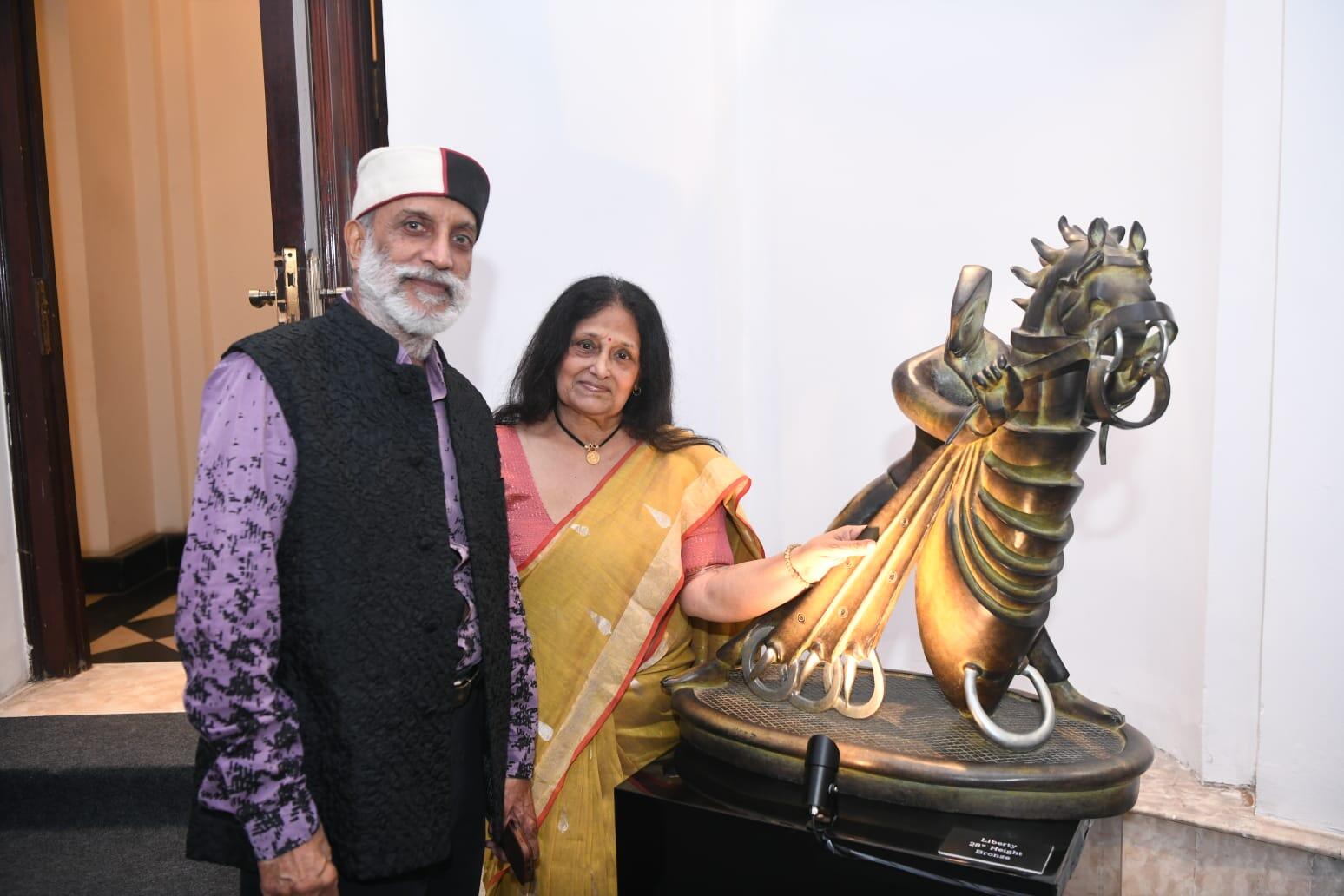
The small rotunda taken up by the Arzaani Atelier at Bikaner House spawned into a historic 100 year tribute for Raseel Gujral Ansal’s father the polymath , Satish Gujral. Walking into this exhibition of sculptures and a few reprints of paintings became an exercise in nostalgia for art historian, curator and Neemrana Hotel founder Aman Nath a month ago who happily accompanied me for a quick walk through.

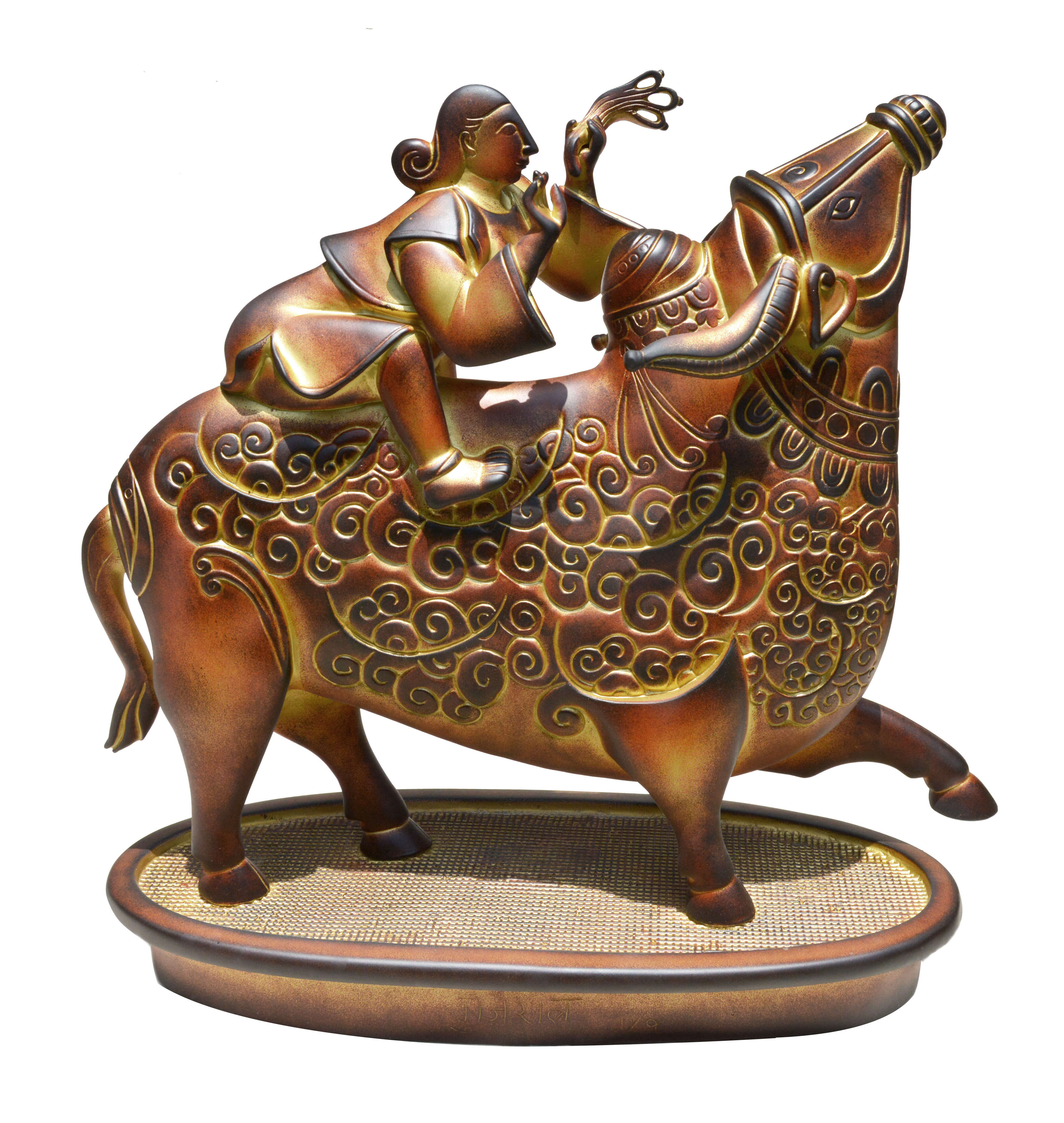

The grace filled cow belonging to the Raas series is one gorgeous image that celebrates not just the contour but also the textural terrain on its body. As Nath ran his fingers over the bovine it was amply clear that the sculptures brought back memories of his own relationship with the Gujral family. It was in 1995 that Nath curated Satish Gujral’s solo show at Art Today in Delhi. One recalls that patinas , pigments and accretions were his language and his ability to mould effects were the key to his dramatic authority that created a litany of iconic imagery in sculptural compositions in design and dedication to nature’s bounty.
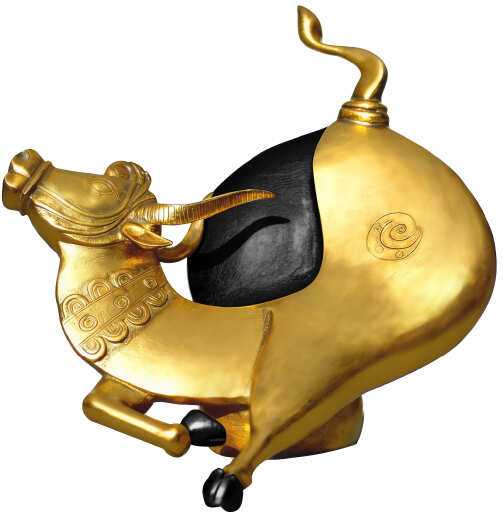

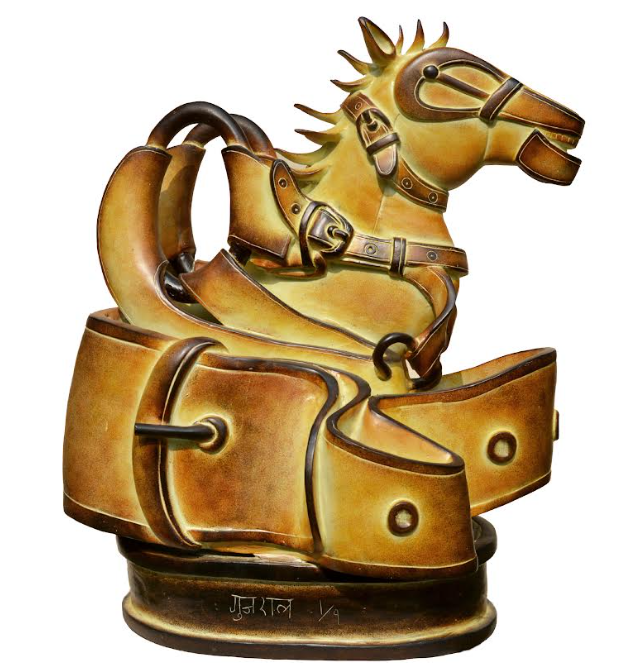
Equus, an epoch filled canter and gallops and horse’s hooves all create their own incantation in his horse sculptures that are at once perfect personifications of the language of equestrian enigma.To stand in silence and admire his works is also to know and acknowledge that it was his understanding of western modernism that shaped his love for form and fervour.Just a horse’s head can be a study for the beauty of form and fervour.

Raseel Gujral’s relationship with Bikaner House goes back many years. In 2016, when Satish Gujral’s sculpture Trinity showed at Bikaner House, her father reiterated a salient sentiment:
“I hope there comes a time, in the near future, when all forms of art are available for public viewing and become a way of life and communication.”
This exhibition echoed his words like an apt epitaph.
The horses in this suite of works too were elegance personified.Tubular metal forms and detritus from industrial waste all became his language of artistic discourse. Many of these sculptures belong to the Raas series.
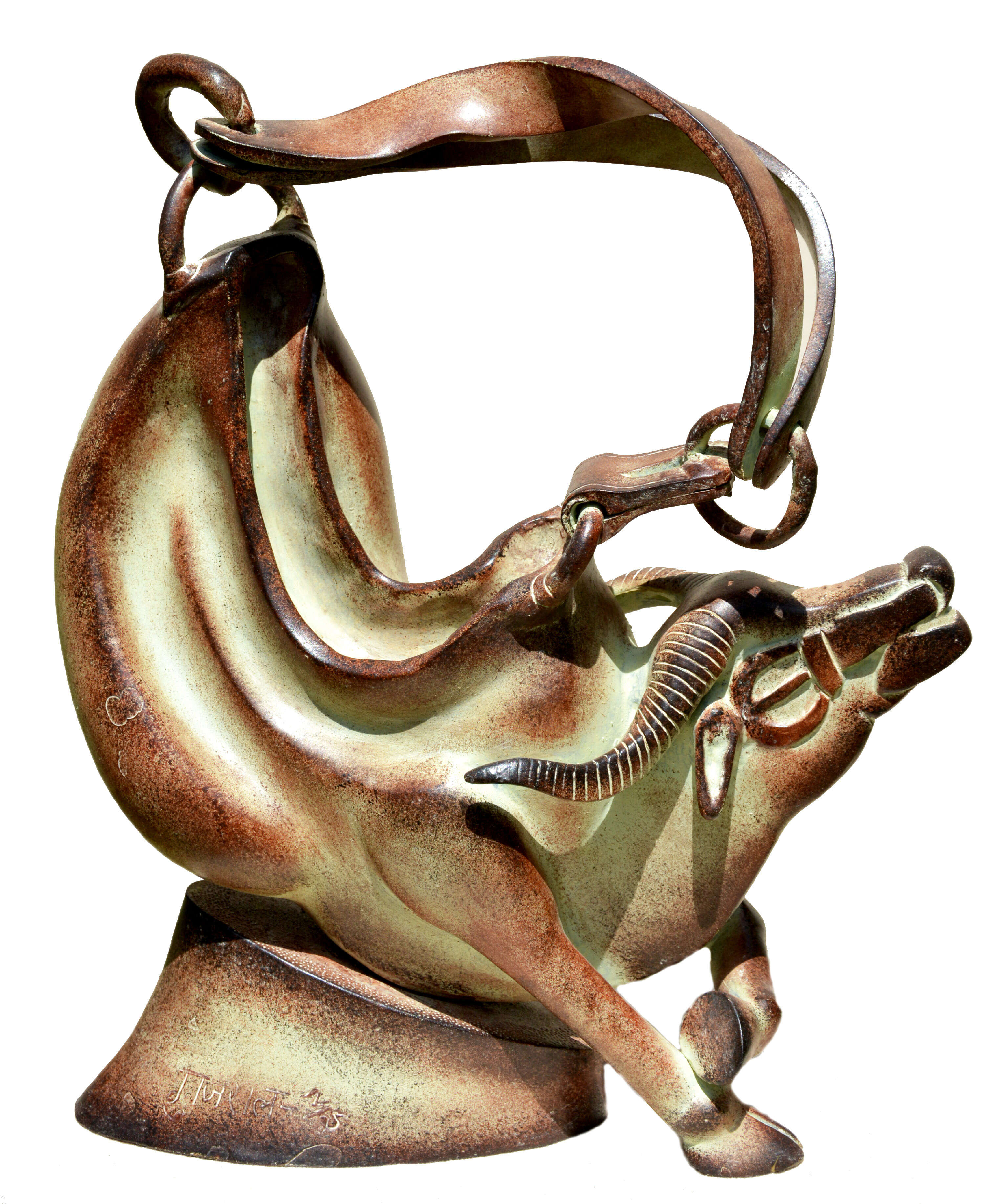

The ram and its curled up horns
Gujral’s sculpture of a ram is a masterpiece in the making of nature’s garden of sentient creatures.Even in the metallic mooring we sense the expression of quietude as well as the intensity of grace and gravitas within and without. Of course one thinks of great masters and universal icons of the ram one also thinks of the innate love for animals. The beauty of the sculptural works is the synthesis of symbolism and depth of understanding the interdependence of man and nature.

A daughter’s tribute
Raseel says the show was created as a tribute in the form of a devotion of a lifetime of memories. “ Gujral Within emerged from an intimacy. The inward gaze is what is integral, it invites you into the space where thought becomes form, where creation is no longer proof of presence but an act of listening.
It reflects what I inherited from him: not an archive, but a way of seeing; not answers, but a vocabulary of inquiry and creative hunger. This exhibition does not attempt to interpret or explain his work. It offers proximity instead.
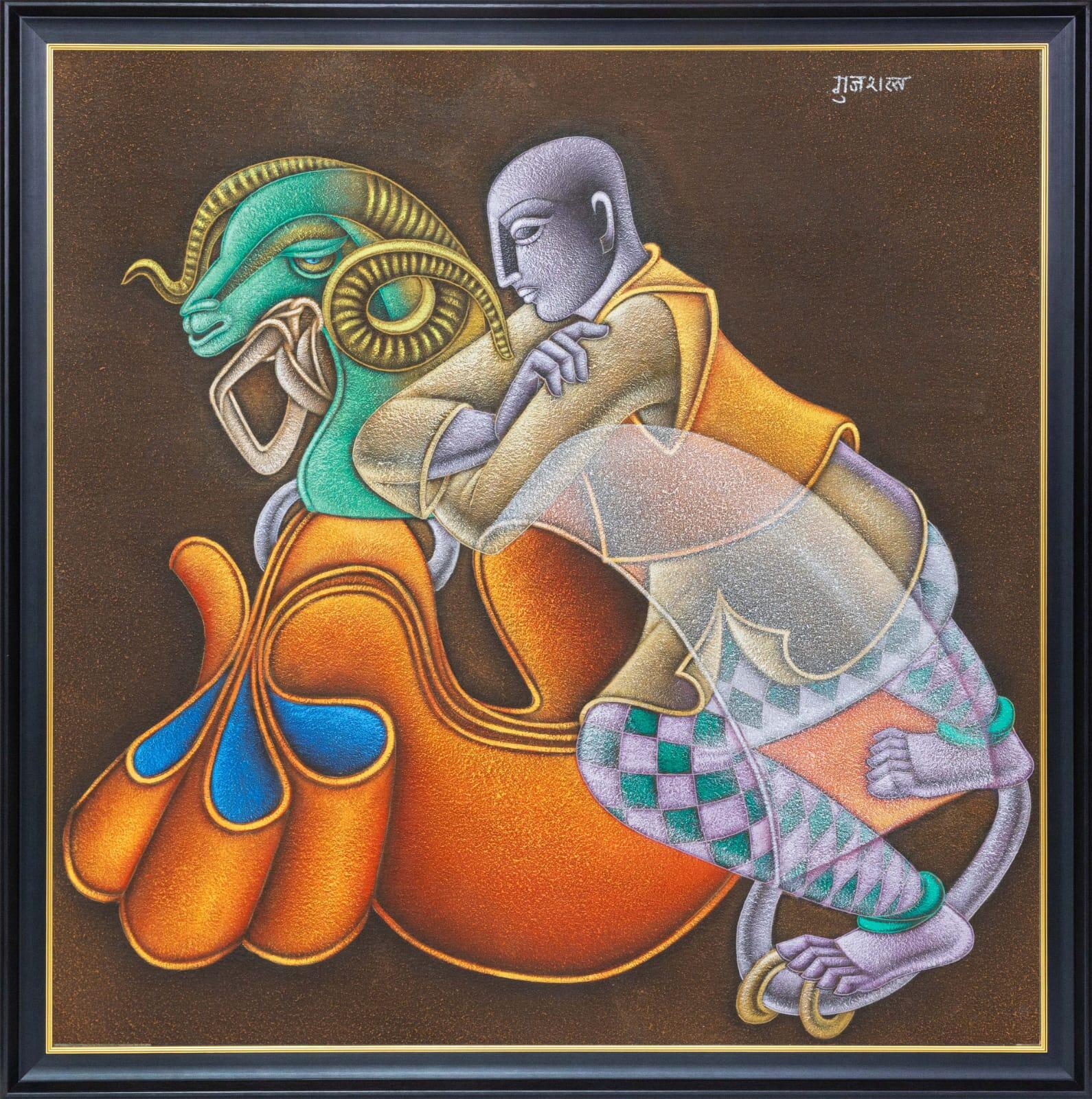

The sculptures and paintings are a silent invitation to stand with the work in stillness, to engage with it from one’s own inner state, just as he did. It is not about legacy as a monument. It is about Gujral within. And I stand in the shadow and reminisce about what remains embedded within me as a daughter.”
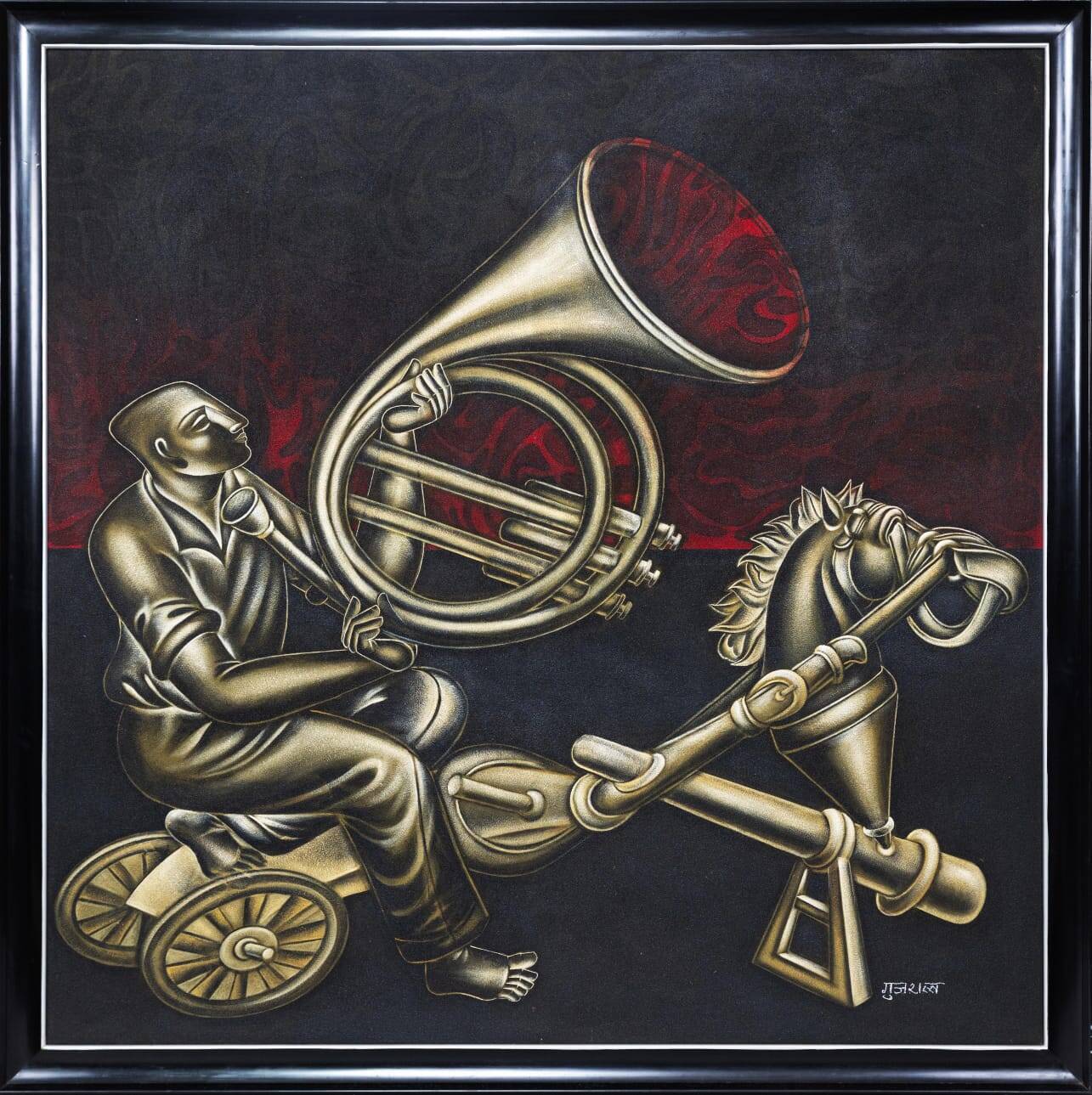
The inner rooms at the Arzaani Atelier, with limited edition prints of Gujral’s paintings presented yet another nature in the sojourn of life.Contours were his elixir. The manner in which he presented the human figures in resonance with the elements of emotive elegance is what made his work stand apart.The curves flowed like the notes of a raaga, subtle and sanguine as the figure nestled within the many moods of the master’s hand.The starkness of the background and the richness of textural terrain in the grains of treatment is what gave Gujral’s paintings their own timbre and tenor.
The best thing about this show was its compactness, it didn’t seek grandness but a cohesive contemplation that wraps around your senses. As a viewer you could carry away in memory the tensile and tactile odyssey of a master who created his own artistic terrain from a life of absolute silence.
Images: Arzaani Atelier
Disclaimer
Views expressed above are the author’s own.
END OF ARTICLE