
New Mahogany species found in Zanzibar: Threat looms over them as fewer than 30 trees remain |
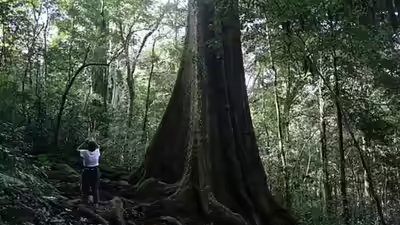
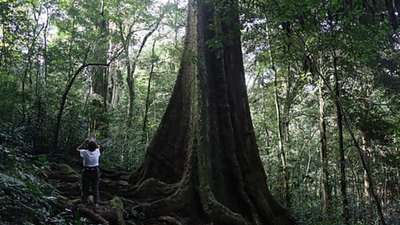
Scientists have found a new species of mahogany in Zanzibar. This represents a significant finding for those working on rare forests in East Africa. But there is an ominous warning that only 30 adult trees of this new mahogany species exist in the wild. This means that the newly found plant has been critically endangered since its discovery. Growing in small and scattered areas of coastal forests, the new discovery shows how many plant species can still be hiding out there. It seems that swift efforts will be required if this plant is to survive.
Zanzibar mahogany discovery and scientific identification
This new type of mahogany tree had been identified within the geographical boundaries of Zanzibar following various studies conducted and botanical comparisons with other known types. This tree had been identified as a unique species not long ago.According to researchers who reported on findings made at the French Agricultural Research Centre for International Development, the discovery of a small group of mahogany trees was found growing along a coastal part of Zanzibar. It is through such taxonomical analysis that this mahogany’s uniqueness has been confirmed.The majority of mahogany trees found in Africa belong to a specific genus referred to as Khaya. This genus has different species of timber trees that are found throughout the African continent.
Fewer than 30 trees: A critical conservation alert
What makes this discovery particularly alarming is the extremely small population size. Scientists estimate that fewer than 30 individual trees exist in the wild, placing the species immediately in the highest risk category for extinction.According to reports from field research posted on CABI Compendium, it is clear that the species is currently listed as critically endangered because of its extremely small population size and limited distribution. Given its small number, this makes it susceptible to any kind of environmental factor, whether natural or man-made.Experts emphasise the possibility that at this small number, the species might be currently experiencing a genetic bottleneck wherein sexual reproduction may be very hard, and its long-term survival may become questionable. In short, each tree becomes highly significant to the overall species.
Why Zanzibar’s rare mahogany matters for biodiversity
However, this finding is more than just a botanical feat; it is also a lesson about the environmental vulnerability of Zanzibar. Coastal forests in the area have been identified as the most endangered habitat because of agricultural encroachment.Despite the fact that tropical forests worldwide are renowned for their extraordinary diversity of flora and fauna, these ecosystems are very vulnerable to any disturbances. Small-scale alterations in the landscape might cause irreversible damage to endangered species. In other ecosystems, habitat destruction tends to limit plant reproduction and long-term survival.Thus, the Zanzibar mahogany stands as more than just a single tree species; it highlights the need for preserving the remaining pockets of tropical forests, which could contain more unknown species or rare species on the verge of extinction.
Urgent call for protection and extensive research
As there are fewer than 30 trees found, calls have been made for urgent conservation action, such as habitat protection and propagation, as well as studying its ecology thoroughly. Otherwise, the species might become extinct even before it can be comprehensively studied.The above finding is proof that even as we continue to find various new species, there are other species that have been lost to extinction without us being aware of it. This makes the need to conserve these trees even more vital, considering what they bring into the ecological system.