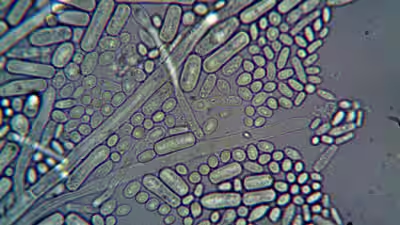
German scientists discovered naturally occurring microbes that removed 95% of dissolved uranium from contaminated water |

A team of scientists has uncovered a naturally occurring microbial process that could change how uranium-contaminated water is cleaned up. Studying bacteria living in the flooded Königstein uranium mine in Germany, the researchers discovered that certain microorganisms can transform highly soluble uranium into a rare, stable mineral that remains locked in place instead of spreading…

Read More

Quote of the day by Alan Turing: “A computer would deserve to be called intelligent if…” |

Two people can watch the exact same machine respond to a question and reach completely different conclusions about what just happened. One assumes anything convincing enough must be simulating a mind somewhere underneath. The other insists that convincing behaviour and actual thought are two entirely separate things, no matter how good the imitation gets. Alan…

Read More

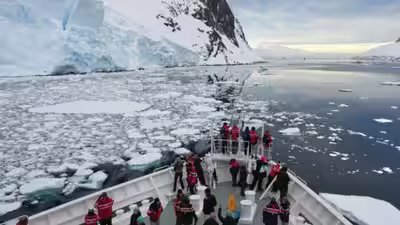
Antarctica: In 2025-26, more than 120,000 tourists visited Antarctica; some former guides now say the industry crossed a line

A ship sails through the Lemaire Channel in Antarctica (AP file photo) A new study has found that several former Antarctic tour guides decided to leave their jobs because they could no longer balance their love for the continent with the environmental impact of the tourism industry. Researchers spoke to 25 former guides who said…

Read More

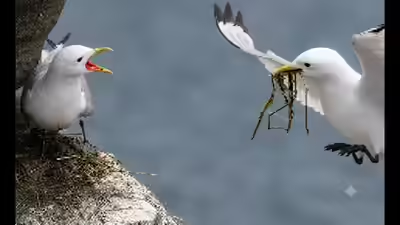
Researchers made flying harder for Alaskan seabirds by clipping some wing and tail feathers; only 67% returned the next year, but the survivors were more likely to breed successfully

Researchers clipped a few wing and tail feathers of wild Alaskan kittiwakes (AI enhanced image. Credit: Nature Counts) Researchers who clipped a few wing and tail feathers of wild black-legged kittiwakes in Alaska to make flying harder, have found that the effects lasted well beyond a single breeding season. The birds struggled to raise chicks…

Read More

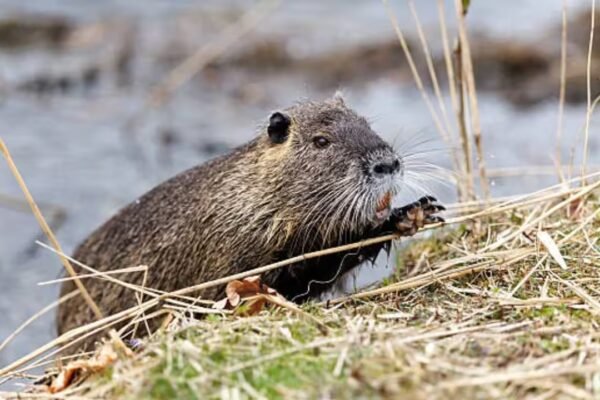
One of the world’s largest rodents was imported for fur farming in North America; today it’s devastating wetlands and riverbanks across US |

Two hundred years ago, you wouldn’t have been able to find them outside of South America. But since then, Nutria, one of the world’s largest rodents, has taken over US. These rodents were initially brought to North America in the late 19th and early 20th centuries, primarily for fur farming, since their soft underfur was…

Read More

In 1976, a scientist spent seven years dancing with a lonely whooping crane that refused to mate. The chick that followed helped save one of the world’s rarest birds |

In 1976, ornithologist George Archibald began an unusual daily ritual, dancing beside a whooping crane named Tex in an attempt to save one of the rarest birds on the planet. Tex had been raised in captivity and had imprinted on humans rather than other cranes, meaning she showed no interest in mating with her own…

Read More

Quote of the day by Florence Nightingale: ”I attribute my success to this: I never gave…” |

Florence Nightingale is remembered as the founder of modern nursing, but her influence reached far beyond hospitals and healthcare. Through discipline, compassion and a determination to improve lives, she changed the way patients were treated and helped shape modern medicine. Among her many memorable sayings, one quote continues to inspire people across generations: “I attribute…

Read More

200 years after the first dinosaur, scientists use brain scans on a 100-million-year-old snake fossil from Brazil |

Two centuries ago, a British geologist gave the world its first named dinosaur. Megalosaurus, described from a handful of fossilised bones, marked the birth of an entire scientific field. Back then, researchers worked with little more than fragments, guesswork and imagination to picture prehistoric life. Fast forward 200 years, and palaeontology looks unrecognisable. Scientists no…

Read More

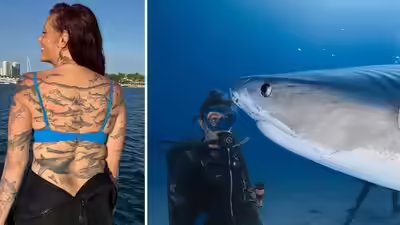
Meet Emily Morrison: The marine biologist who sets a world record for ‘106 shark tattoos to raise awareness for shark conservation |

Image Credit: guinnessworldrecords.com Shark is a unique animal that has survived five mass extinctions and swam in our oceans before trees existed. For many of us, the thought of a shark brings up the images of big, sharp teeth with terror. However, for one American marine biologist named ‘Emily Morrison,’ these marine predators are not…

Read More