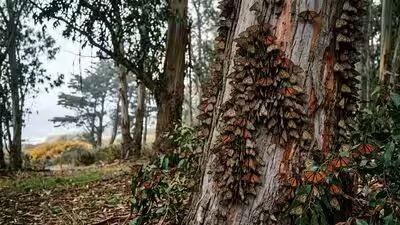
California’s winter monarch migration has collapsed from millions in the 1990s to 12,260 butterflies in 2025; the third-lowest count ever recorded |

This winter’s survey of the western monarch butterfly revealed over 12,000 individuals, a small rise from last year. Despite this slight increase, conservationists remain alarmed as numbers are still critically low. Ongoing challenges such as habitat loss and environmental stressors severely impact the butterfly population. Conservation initiatives are actively working on restoring habitats and engaging…

Read More

Scientists reviewed 54 Asian oak species; 40 had no backup in any botanical collection, while one may already be extinct in the wild

Scientists reviewed 54 Asian oak species; 40 had no backup in any botanical collection A detailed study of 54 Asian oak species has found that 40 have no living backup in any botanical garden around the world. This means that nearly three-quarters of the trees could disappear completely if their wild populations are lost.One of…

Read More

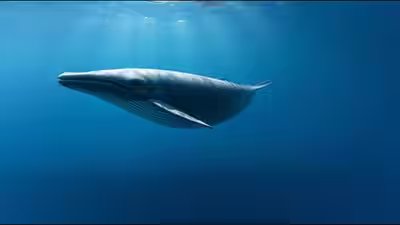
Scientists discover three new stomach bacteria after 21 years of research that may be linked to chronic stomach disease in pygmy sperm whales |

Pygmy Sperm Whale’s Deep Dive (AI-generated image) Pygmy sperm whales are among the least studied large mammals in the ocean, spending nearly their entire lives far offshore, diving deep to hunt squid and fish, and rarely surfacing long enough to be observed alive. Most of what scientists know about the species comes instead from whales…

Read More

Quote of the day by Democritus: “Nothing exists except atoms and empty space; everything else is…” – ancient theory that changed how we think about reality |

Representative Image of Democritus teaching early ideas about atoms in ancient Greece (AI-generated image) Two people can look at the world around them and reach completely different conclusions about what is actually there. One sees a vast, cluttered inventory of distinct things, colours, tastes, textures, each apparently real in its own right. The other looks…

Read More

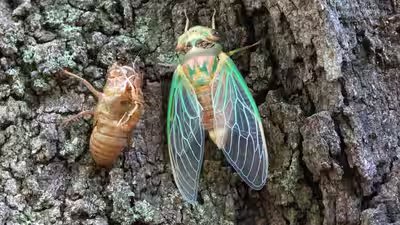
Scientists coated a cicada wing with silver and created a sensor that amplified faint molecular signals by tens of millions

Scientists have transformed a simple fragment of a cicada’s wing into an optical platform capable of detecting molecular signals By coating a cicada wing with an extremely thin layer of silver, researchers in Taiwan have created a highly sensitive optical sensor that can boost very weak molecular signals by tens of millions of times.The findings,…

Read More

Scientists accidentally discovered a way to recycle plastic into valuable chemicals using only water and oxygen |

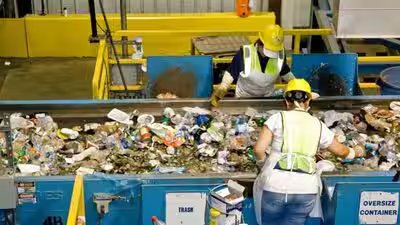
Image Credit: US Environmental Protection Agency Plastic waste is a global threat to both the environment and public health, with over 400 million tons produced annually. Turning plastic into value-added chemicals holds significant promise, but the industrial adoption gets slowed down by the high costs of metal catalysts and how they become deactivated by additives….

Read More

Experts used ‘Judas goats’ to hunt down their own kind, eliminating over 140,000 invasive goats in a $10.5 million mission to save the Galapagos’ native wildlife

In a remarkable ecological initiative, over 140,000 invasive goats have been eradicated from three areas of the Galapagos Islands. This operation, costing $10.5 million, aims to rejuvenate the habitat for native wildlife. Using judas goats fitted with transmitters, conservationists pinpointed the remaining invaders. Following their removal, the area’s native plants are thriving once again, supported…

Read More

Between 2014 and 2017, underwater robots found surface chlorophyll 1,000 metres deep; scientists have now explained how it arrived

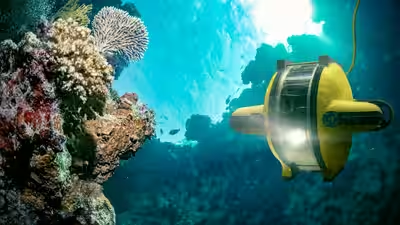
Scientists have solved the mystery of unusually high concentrations of chlorophyll detected more than 1,000 metres beneath the ocean Scientists have solved the mystery of unusually high concentrations of chlorophyll detected more than 1,000 metres beneath the ocean surface by autonomous underwater robots after years of puzzling. The discovery, which took place between 2014 and…

Read More

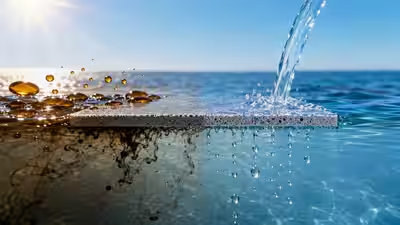
New membrane removes more than 99.99% of oil from seawater while producing fresh water using sunlight |

As freshwater shortages intensify around the world, scientists are searching for technologies that can do more than simply desalinate seawater. One of the biggest challenges is treating oil-contaminated seawater, where conventional desalination systems often fail because oil clogs membranes, blocks water transport and reduces efficiency. Researchers have now developed a multifunctional Janus hydrogel membrane that…

Read More