A plate full of Eid joy and childhood nostalgia
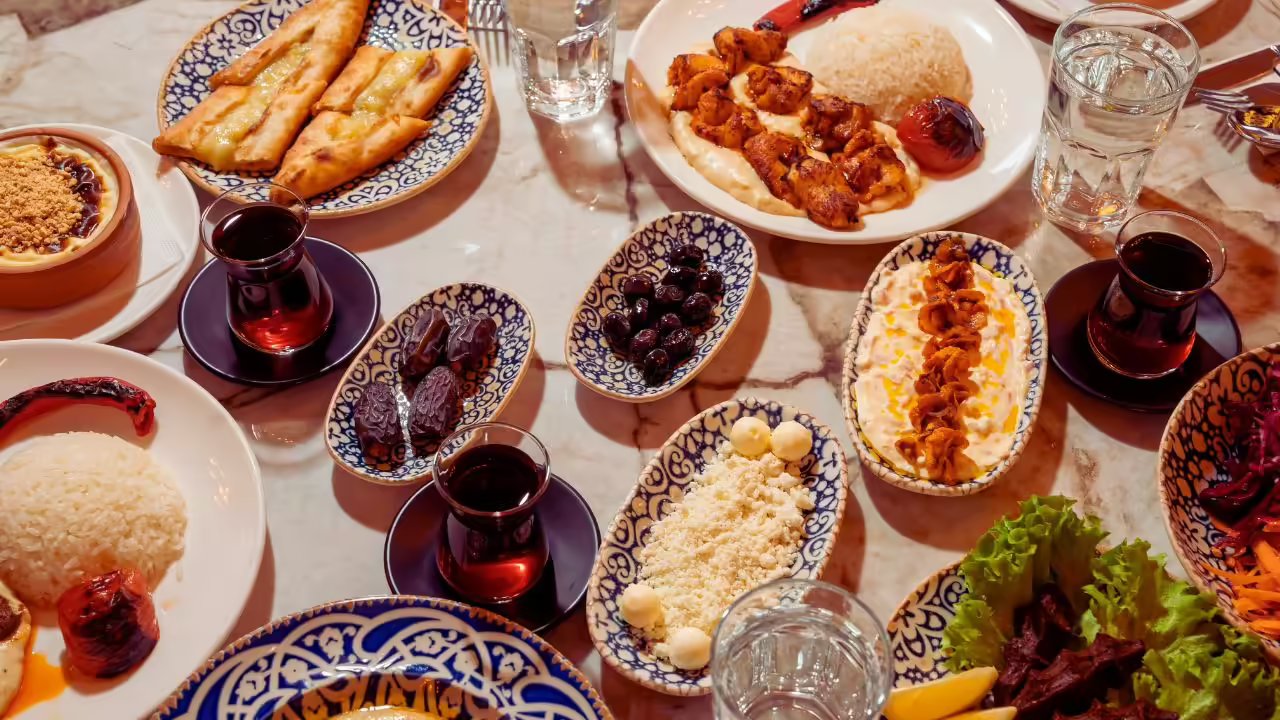
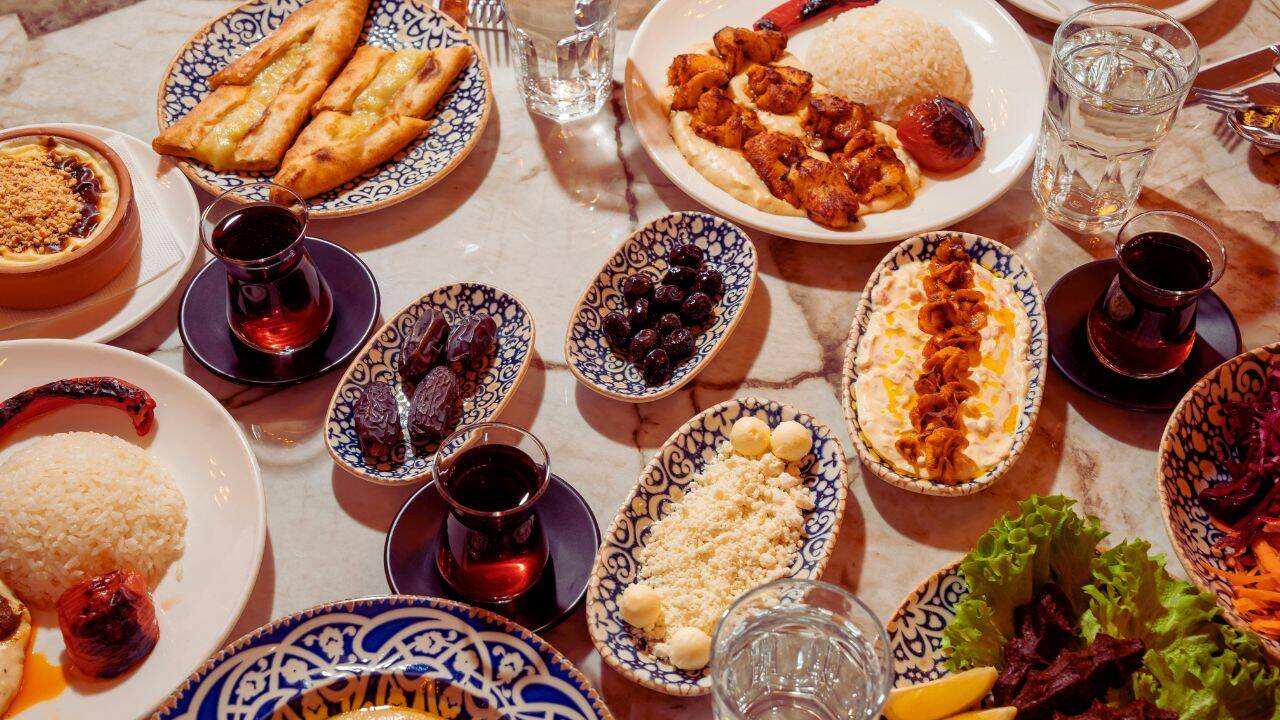
Eid is a festival that beautifully brings people together through joy, gratitude, and delicious food. Homes are filled with the aroma of traditional dishes, and families gather around tables to share meals after a month of fasting. Food becomes a symbol of celebration and togetherness, making Eid closely associated with rich flavors and festive feasts. One of the reasons this festival is often called “Mithi Eid” (Sweet Eid) is because of the variety of sweet dishes prepared and shared on this special day. Desserts like Sheer Khurma, Seviyan, and Kheer are lovingly prepared in homes and offered to guests, symbolizing warmth and hospitality. Alongside these sweets, savory delights such as Biryani, Seekh Kebab, and Shami Kebab add richness to the Eid feast. For many people, these foods bring back cherished childhood memories—the nostalgia of visiting relatives, receiving Eidi, and enjoying homemade treats prepared by parents and grandparents. The familiar tastes and aromas make the celebration even more meaningful.

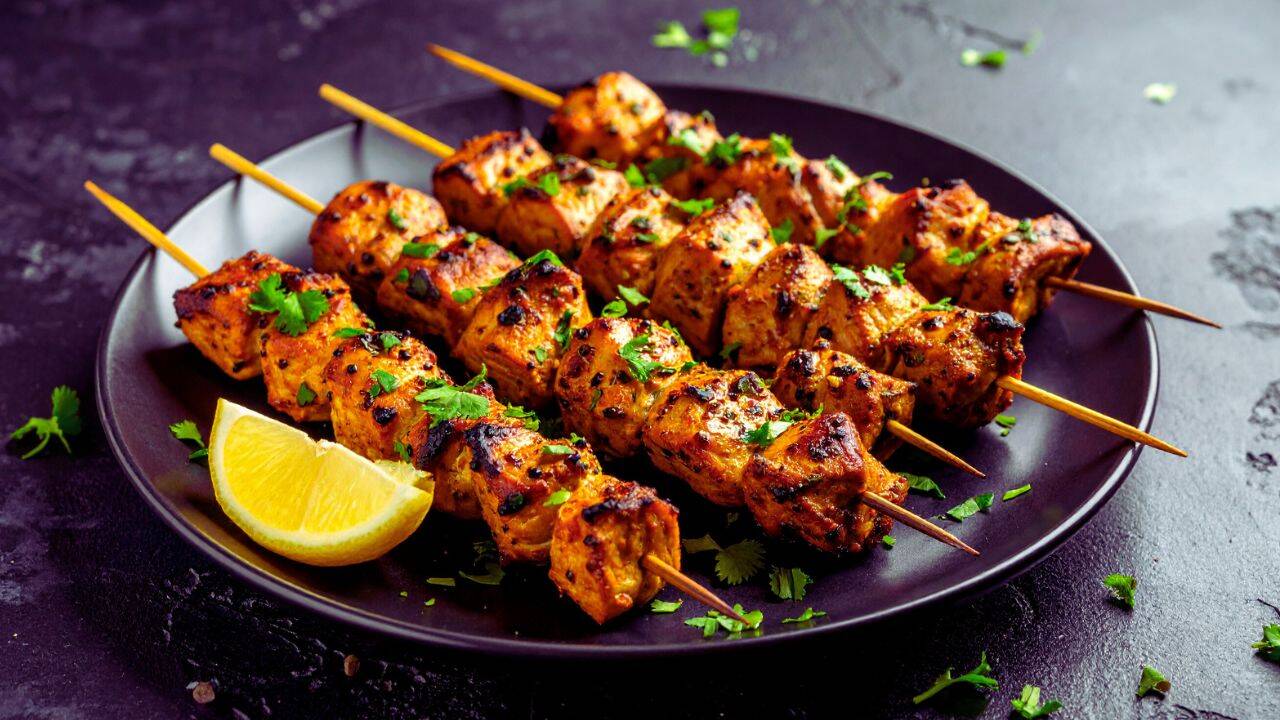
In this newsletter, we will explore the flavours of Eid, discovering the traditional dishes, sweets, and festive foods that make this festival so special and unforgettable for families around the world.
Read more at: Unique Kebabs of India that are a must try
Rose sherbets, a gift of the Mughals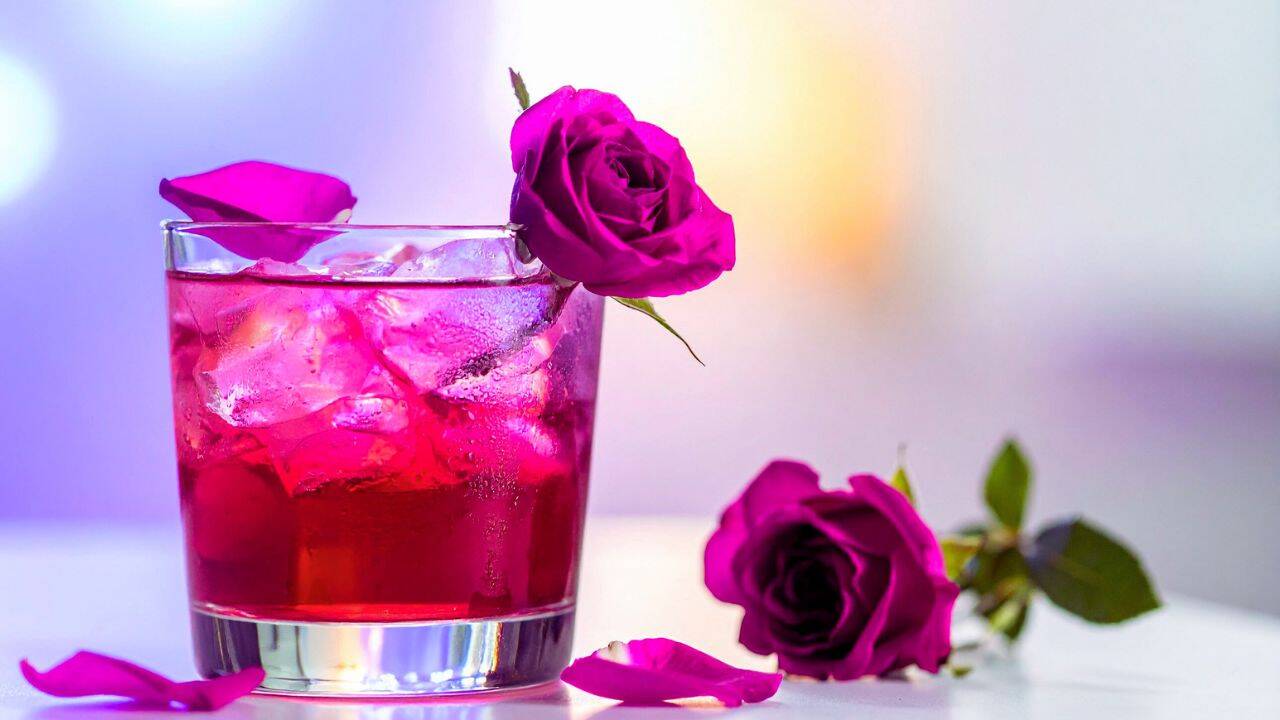
Rose Sherbet has long been a cherished drink during Eid celebrations. Its origins can be traced back to the royal kitchens of the Mughal Empire, where fragrant rose-based drinks were prepared to cool the body in the warm climate of South Asia. Over time, this refreshing beverage became a beloved part of festive gatherings. After a month of fasting during Ramadan, rose sherbet offers both refreshment and comfort with its delicate sweetness and floral aroma. Served to family and guests, it symbolizes hospitality, elegance, and celebration. Today, the drink remains a timeless Eid tradition, connecting modern celebrations with centuries of culinary heritage
Read full article: Eid 2026: 5 special Rose Sherbat recipes to try this Eid
Blessed be the Biryani!
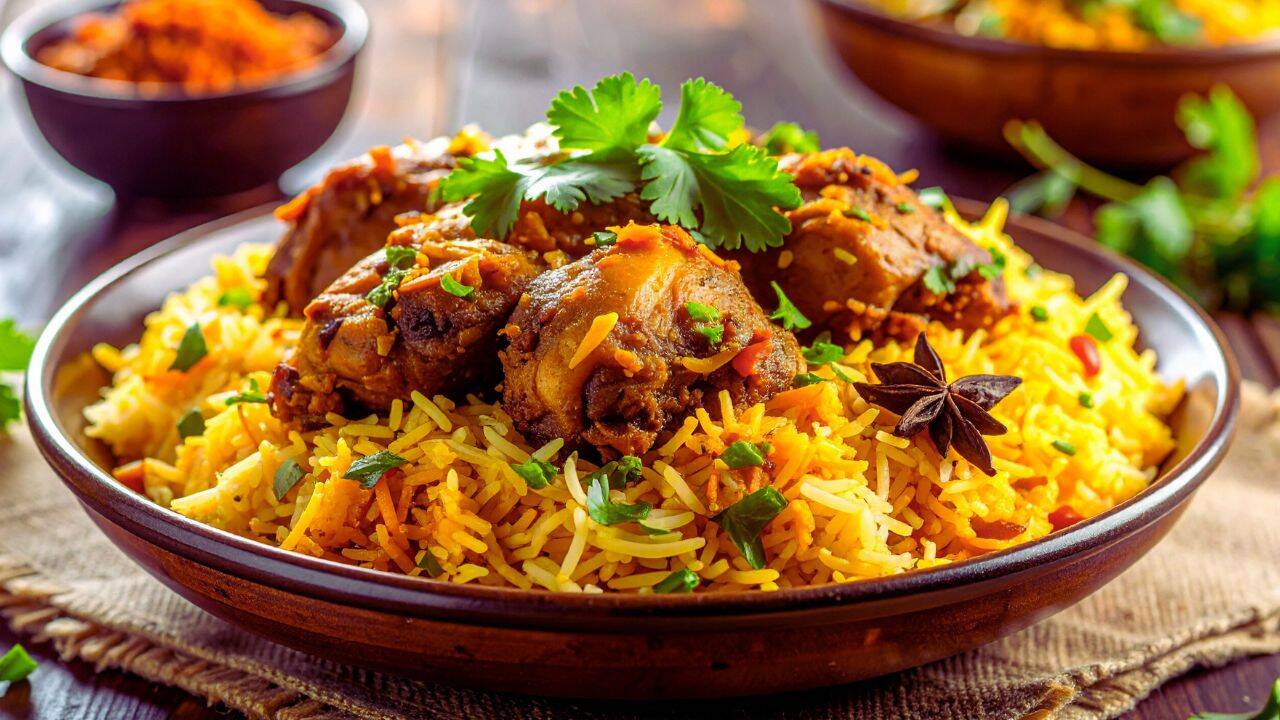
For many families, Eid feels incomplete without the aroma of Biryani filling the home 


Read full article: From Bhatkali to Moti: 12 types of Biryani enjoyed across India
From Sheer Khurma to Shahi Tukda, the poetic world of Eid desserts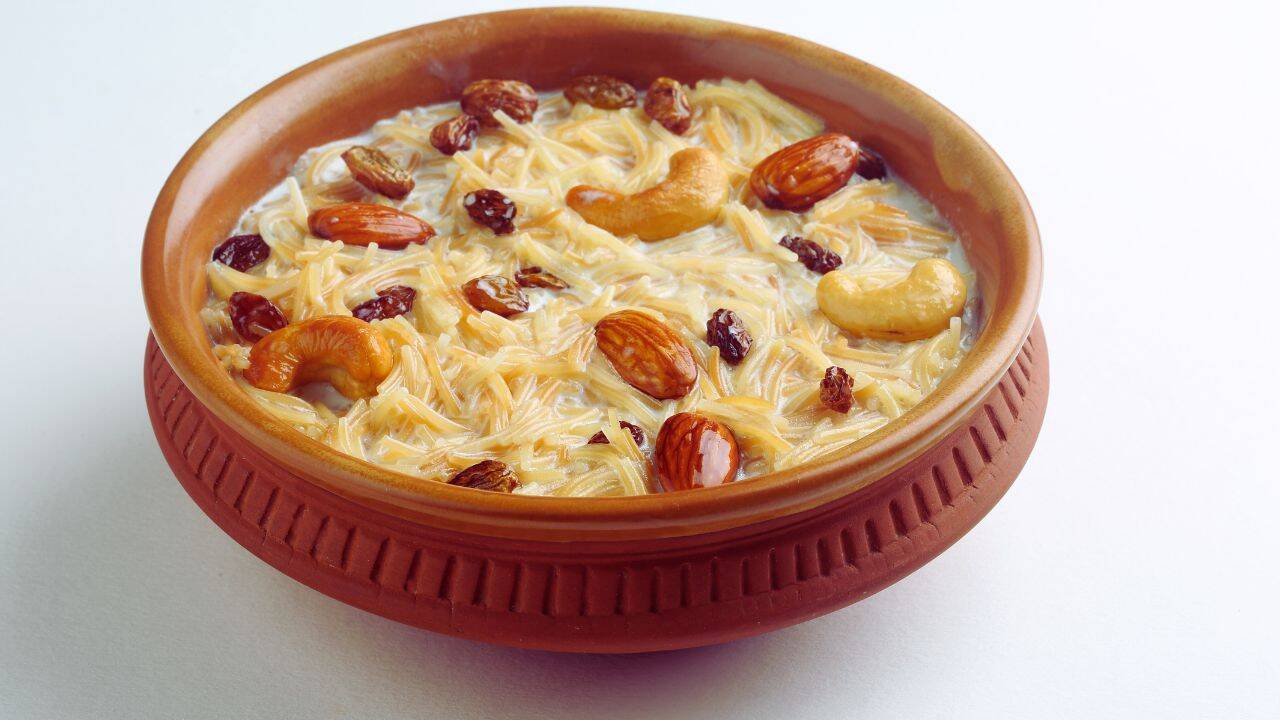
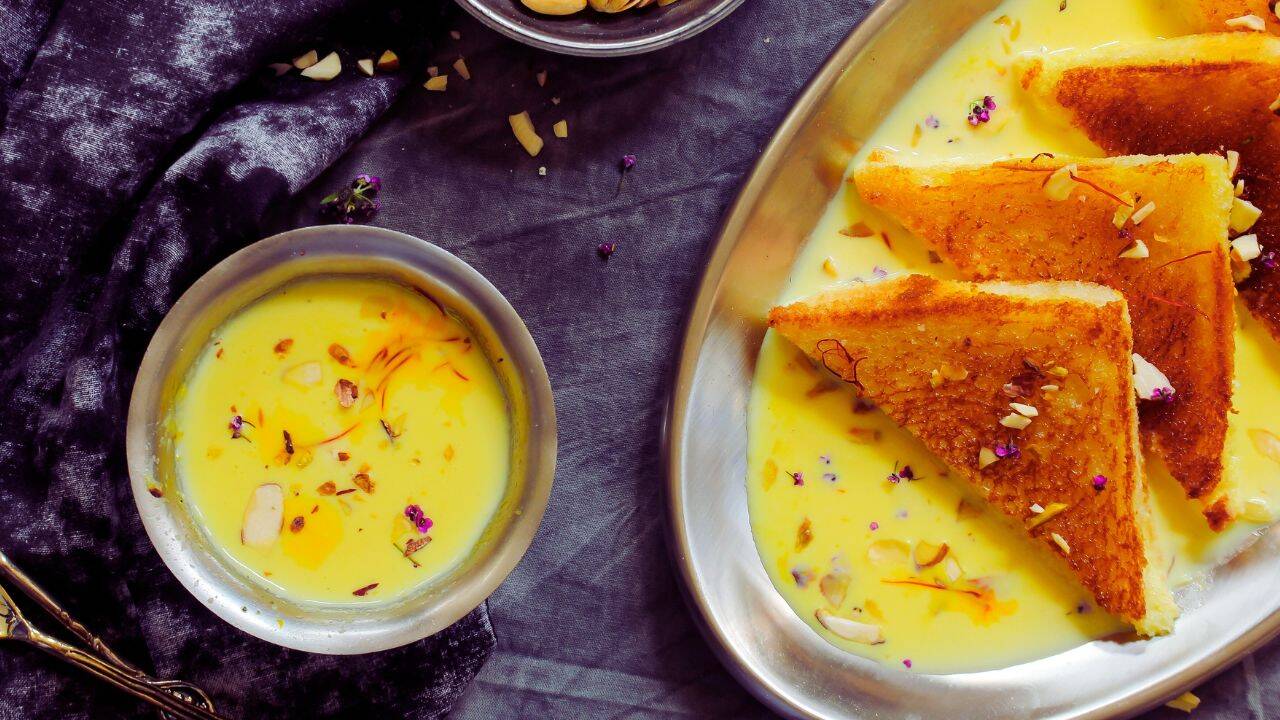
Eid is lovingly called Eid al-Fitr, or Meethi Eid—the Sweet Eid—because desserts lie at the very heart of the celebration. After a month of fasting during Ramadan, the festival begins with sweetness, symbolizing joy, gratitude, and the blessings of sharing. Bowls of warm Sheer Khurma are often the first taste of the day, while indulgent treats like Shahi Tukda add a touch of festive luxury. The golden glow of Zarda and the fragrant, cooling layers of Falooda complete the picture. Together, these sweets turn Eid into a celebration where every spoonful carries warmth, generosity, and the lingering sweetness of tradition.
Read full article: From Shahi Tukda to Sheer Khurma: 4 Mughali desserts to try at home
Disclaimer
Views expressed above are the author’s own.
END OF ARTICLE