Why millions of women still suffer in silence
International Day to End Obstetric Fistula shines a spotlight on one of the most devastating yet preventable childbirth injuries affecting women across the globe. While maternal healthcare has advanced dramatically in many countries, obstetric fistula continues to rob thousands of women of dignity, health, livelihoods, and social acceptance.
For many, the term itself remains unfamiliar. Yet behind the medical terminology lies a heartbreaking reality: women, often young and poor, are enduring prolonged obstructed labor without timely medical care, resulting in a hole between the birth canal and the bladder or rectum. The consequence is continuous leakage of urine or feces, chronic infections, emotional trauma, and social isolation.
The tragedy is not merely medical—it is deeply rooted in inequality.
A preventable condition that should be eliminated
Obstetric fistula is almost entirely preventable. It occurs primarily when a woman experiences obstructed labor for several hours or even days without access to emergency obstetric care, especially Cesarean sections. In many low-resource settings, healthcare facilities remain far away, transport systems are inadequate, and skilled birth attendants are unavailable.
According to global health agencies, thousands of new cases emerge each year, mostly in parts of sub-Saharan Africa and South Asia. Many women suffering from fistula live in extreme poverty, marry early, become pregnant at a young age, and lack access to proper maternal healthcare.
The condition disproportionately affects vulnerable women and girls whose bodies may not yet be fully developed for childbirth. Malnutrition, child marriage, poor education, and inadequate reproductive healthcare all contribute to the persistence of fistulas.
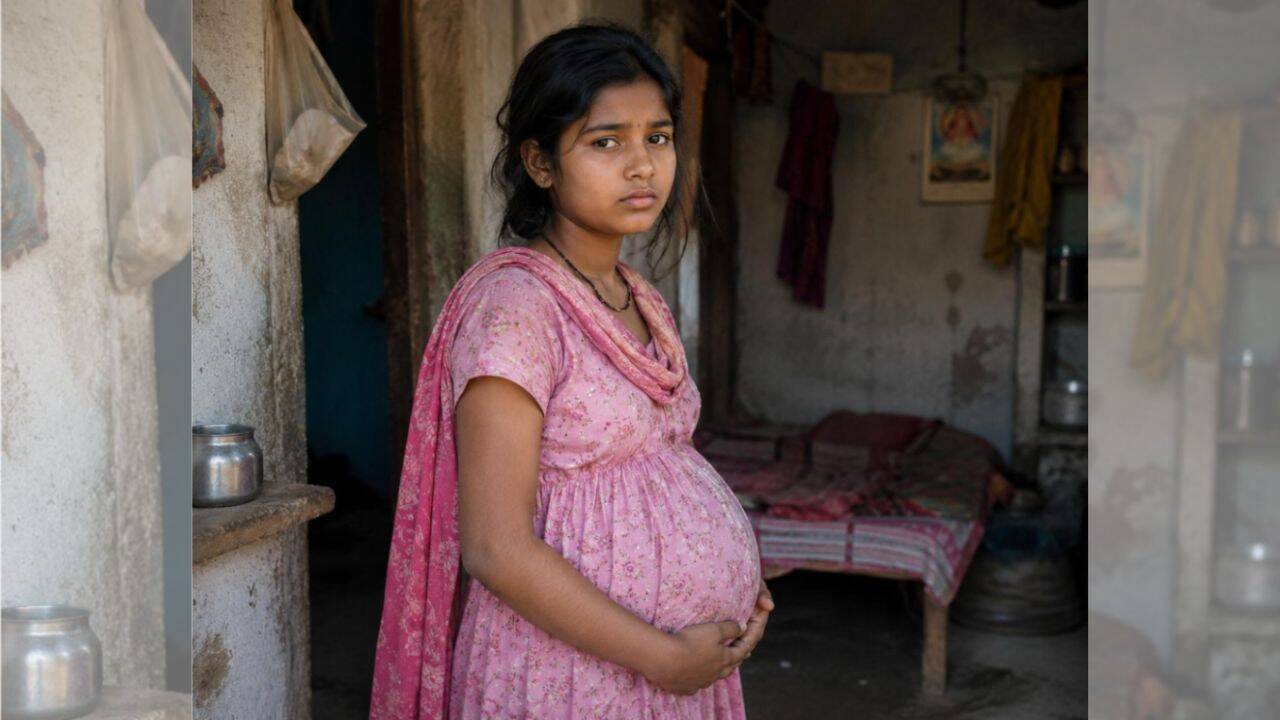

In India, progress in maternal healthcare has significantly reduced the burden over the decades, but challenges remain, especially in rural and underserved regions. Delayed referrals, gaps in emergency obstetric services, and poor awareness continue to put women at risk.
The human cost beyond physical pain
The physical effects of obstetric fistula are severe, but the social and emotional consequences can be even more devastating.
Women living with a fistula often face stigma from their communities because of the constant odor and incontinence associated with the condition. Husbands and families often abandon many women. Some lose their livelihoods because they are unable to work or participate in daily life.
Depression, anxiety, and feelings of shame are common. Often, women isolate themselves completely from society.
What makes the suffering particularly tragic is that many women endure these conditions silently for years, unaware that treatment is available.
Surgical repair can restore continence and transform lives. Yet access to surgery remains limited in many regions due to shortages of trained surgeons, lack of healthcare infrastructure, and financial barriers.
For survivors, recovery is not only about surgery. It also requires psychological support, social reintegration, vocational training, and community acceptance.
Why awareness still matters
One of the biggest obstacles to ending obstetric fistula is invisibility.
Unlike many public health issues that receive sustained global attention, fistula often remains hidden because it affects women living on the margins of society. Many cases go unreported. Shame and stigma discourage women from seeking help.
Awareness campaigns are therefore essential—not only to educate communities about prevention and treatment, but also to address the systemic inequalities that allow such injuries to persist.
The International Day to End Obstetric Fistula is not simply about highlighting a medical condition. It is about recognizing maternal health as a basic human right.
Every woman deserves access to safe pregnancy and childbirth services. No woman should suffer lifelong injury because emergency care was unavailable or inaccessible.
The day also serves as a reminder of the deep interconnection between maternal mortality and maternal injury. For every woman who dies during childbirth, many more survive with severe complications that permanently alter their lives.
India’s maternal health journey
India has made notable strides in improving maternal healthcare over the last two decades. Government initiatives promoting institutional deliveries, maternal nutrition, antenatal care, and skilled birth attendance have contributed to the decline in maternal mortality rates.
Schemes such as Janani Suraksha Yojana and improved rural health infrastructure have encouraged more women to seek medical care during pregnancy and childbirth.
However, disparities persist.
Women in remote villages, tribal regions, and economically weaker communities still face significant barriers. Healthcare facilities may be understaffed or too distant. Transportation delays during labor can prove fatal or result in life-altering complications.
Experts argue that strengthening primary healthcare systems and ensuring timely emergency obstetric care remain crucial steps in preventing fistula.
Education also plays a transformative role. Educated women are more likely to access healthcare, delay early marriage, seek antenatal care, and make informed reproductive choices.
The role of communities and governments
Ending obstetric fistula requires more than medical intervention. It demands collective action.
Governments must continue investing in maternal healthcare systems, particularly in underserved areas. This includes improving access to emergency obstetric care, training healthcare workers, expanding transportation networks, and ensuring affordable treatment.
At the same time, communities must challenge harmful practices such as child marriage and gender discrimination.
Local awareness programs can encourage women to seek timely medical care and help families recognize danger signs during pregnancy and labor.
Men also play an important role. Supporting maternal healthcare, ensuring women receive proper nutrition and antenatal care, and facilitating access to hospitals during childbirth can significantly reduce risks.
Non-governmental organizations and international agencies have already demonstrated that targeted interventions can dramatically reduce fistula cases and improve outcomes for survivors.
But sustainable progress requires political commitment, funding, and long-term public health planning.
Restoring dignity to survivors
For women who have already suffered from an obstetric fistula, compassion and rehabilitation are essential.
Successful treatment often marks the beginning of a long emotional journey. Survivors may need counseling, social support, and economic opportunities to rebuild confidence and independence.
Several organizations worldwide now focus on survivor-centered care, helping women reintegrate into society through education, livelihood training, and peer support groups.
These stories of resilience remind us that recovery is possible when healthcare systems and communities respond with empathy rather than judgment.
The voices of survivors are also powerful tools for advocacy. Their experiences emphasize the critical need to improve maternal healthcare access and challenge the silence surrounding childbirth injuries.
A call for global action
The International Day to End Obstetric Fistula serves as a call to action.
No woman should suffer a preventable injury simply because she was born into poverty, lacked access to healthcare, or lived too far from a hospital.
Ending fistula aligns closely with broader global goals—reducing maternal mortality, promoting gender equality, improving healthcare access, and ensuring dignity for all women.
Progress is possible. Several countries have reduced fistula cases significantly through investments in maternal healthcare and community outreach.
But the fight is far from over.
As the world observes this important day, governments, healthcare professionals, civil society organizations, and communities must renew their commitment to ensuring safe childbirth for every woman.
Because behind every statistic is a human life—a mother, daughter, sister, or friend who deserves care, dignity, and hope.
Ending obstetric fistula is not only a medical responsibility. It is a moral imperative.
Disclaimer
Views expressed above are the author’s own.
END OF ARTICLE