In the 1870s, George Eastman’s frustration with carrying heavy camera gear while travelling established the foundation for Kodak’s simpler cameras |
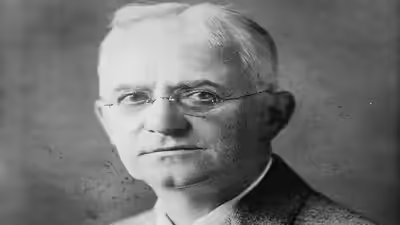
Photography in the 1870s was anything but easy. Those wishing to capture images had to carry around heavy cameras, brittle glass plates, various chemical bottles, trays, and even portable darkrooms. The act of taking a photo itself required expertise, patience, and delicate handling of sensitive material.When George Eastman found out, he did not take the challenges of photography lightly. Rather than embracing the cumbersome nature of photography as a technical profession, Eastman sought ways to make the practice easier. Instead of doing more than just refining a camera, he was completely rethinking the whole process around travel-friendly, compact photography. His attempts eventually resulted in the creation of Kodak, which made photography accessible to travellers. Photography was hard for travellersEven by the end of the nineteenth century, photography was more of a technical craft rooted in chemistry. Many photographers required a great deal of bulky equipment and portable darkrooms for trips. This posed obvious difficulties for those travelling. Glass plates were prone to breaking, chemicals had to be handled with care, and photographs often required preparation immediately after exposure.The camera was just one of many burdens photographers had to face. The other challenge came from having to handle trays, bottles, tongs, and photographic materials en route. According to the Library of Congress, dry plate technology addressed some of the challenges, though it remained difficult and impractical to use even after these improvements.This problem was no minor annoyance for Eastman. He saw it as proof that photography could not be accessible to everyone unless it became simpler to use.George Eastman simplified photographyGradually, Eastman worked with photographic dry plates first. Every single improvement brought about greater simplicity in photography. He simplified materials, process steps, and created systems that would be less complex to operate.The American Chemical Society credits the success of the Kodak system with more than creating a new camera. This new camera was part of a complete consumer system.It revolutionised the practice of photography. No longer would travellers have to be versed in chemistry and lug darkroom chemicals everywhere. Eastman took care of the development side of things so that the photographer could concentrate on taking the picture.
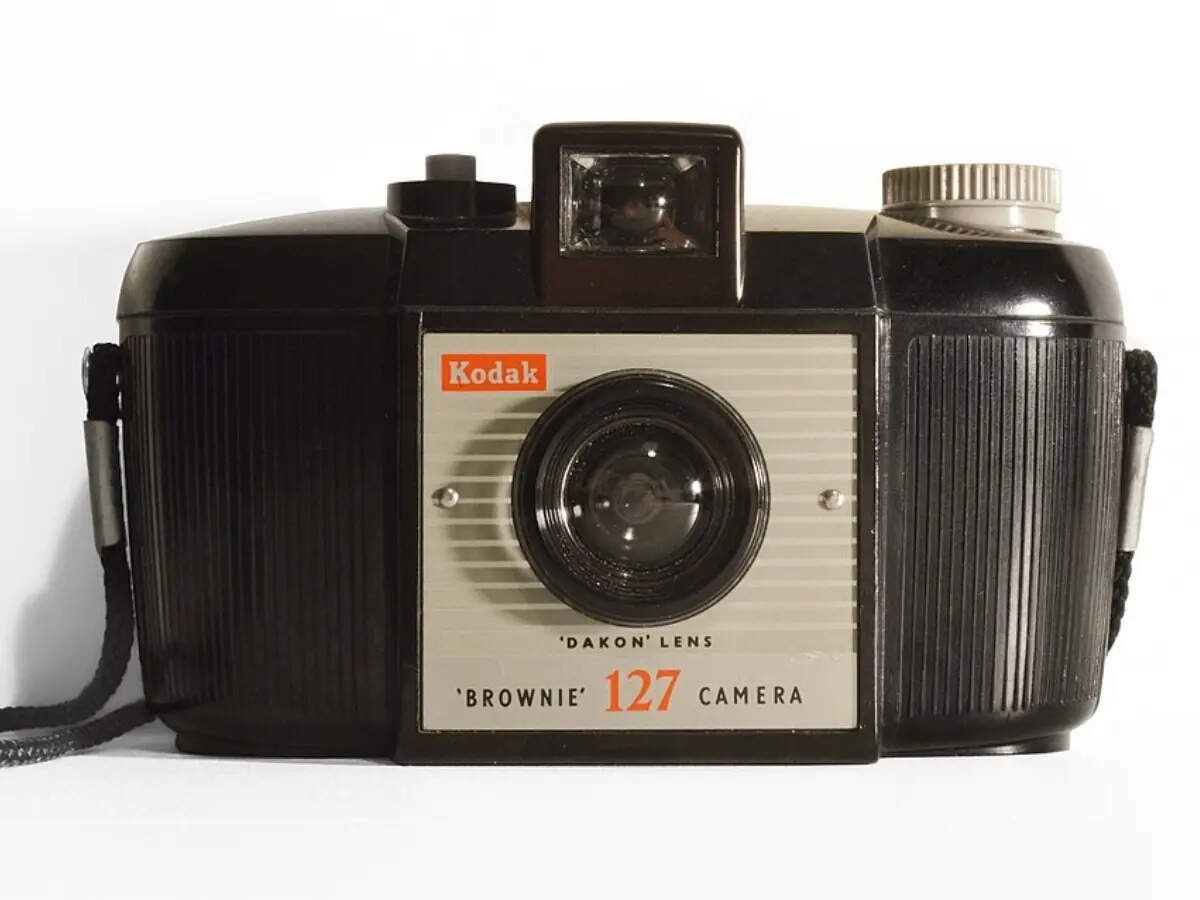
Travellers needed chemicals and glass plates just to take photos. Image credit – Wikimedia
How Kodak impacted travel photographyWith the creation of the Kodak camera in 1888, the nature of travel photography changed radically. The camera already contained enough film for 100 images. Once the roll of film was used up, the customer could simply mail the camera off to Kodak, and they would process and reload it. It simplified the photography process greatly.According to the Library of Congress, previous photographers were often constrained by the demands of their equipment. With Eastman’s approach, they could be more spontaneous and flexible.The shift was not only technological but emotional as well. Taking pictures became easier and more relaxed. Ordinary people could take snapshots of their family vacations, travel adventures, or hobbies without the encumbrance of a darkroom on wheels.Eastman understood that the vast majority of people needed photos, not chemicals.The business model was important as wellAnother aspect of Eastman’s innovations was his business model, which scaled the convenience of the technology for widespread adoption. Consumers would no longer have to be experts at every step of the process of image creation. The technical details were managed by Kodak, while the customer only had to snap photos.According to the American Chemical Society, this allowed photography to become a popular consumer activity. This was significant because it broadened access to photography. It became available not just to photographers but also to anyone who travelled or went on vacation.According to Naomi Rosenblum, historian and author of the book A World History of Photography, Eastman’s innovations democratised the art form by making it available to ordinary people.What was so significant about Eastman’s frustration?The significance of Eastman’s history lies in its ability to explain the origin of some of today’s most revolutionary innovations. His invention was not the product of years of preparation but rather an effort to solve a simple problem.With the elimination of bulky equipment, simplified processes, and the externalisation of technical aspects, Eastman made photography possible outside studios, thereby bringing it into daily life.Kodak’s success was derived from the above reasoning. If photography was not simple enough for tourists, then something had to be done about the process itself. This realisation contributed significantly to the evolution of photography from a technical craft into a mobile aspect of modern-day life.