
Hantavirus: Hantavirus live updates: MV Hondius passengers evacuated in Canary Islands, Americans aboard depart from Spain
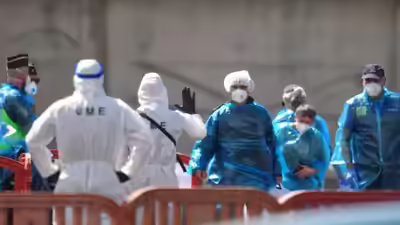
The passengers of MV Hondius, the hantavirus-affected cruise ship, are finally being evacuated in the Canary Islands, in Spain. After days drifting in uncertainty, passengers on the MV Hondius are now leaving the cruise ship at last. Spanish officials kicked off a major evacuation in the Canary Islands over fears of a deadly hantavirus outbreak linked to the vessel.Per Reuters, the cruise ship showed up in Tenerife on Sunday, following a stressful stretch dodging closed ports and growing health restrictions. The outbreak has already claimed at least three lives and left several more sick. With international attention locked on the situation, Spain teamed up with the World Health Organization, the US Centers for Disease Control, and other European governments to manage the crisis. All eyes were on the American passengers as they finally stepped off the ship and boarded flights to the US. Reports say they’ll be quarantined and monitored for symptoms once they land.This whole episode has become one of the most closely watched cruise ship health emergencies since COVID-19. Even with the commotion, health officials keep saying the risk for the broader public is still low.
Hantavirus outbreak on MV Hondius: How it unfolded
As reported by AP News, MV Hondius, the cruise ship, left Ushuaia, Argentina, in early April for a South Atlantic and Antarctic trip. Along the way, passengers started feeling sick, showing signs of hantavirus infection. When deaths and severe illnesses followed, alarms went off among health agencies around the globe.Investigators think the Andes strain of hantavirus is behind the outbreak. This rare type can pass, though rarely, between people, which upped international concerns. Still, experts say that kind of transmission is far from common.By the time the Hondius neared Europe, several ports refused to take the ship, worried about how they’d handle containment and quarantine. In the end, Spain said yes, calling it a humanitarian move and making sure things were coordinated with global health authorities.Images from Tenerife showed passengers disembarking under tight biosecurity procedures, with staff in protective suits keeping an eye on the operation. Charter planes and government jets quickly got ready to fly people home, trying to limit any further exposure.
The aftermath: How is the evacuation going
ABC News reports that American passengers left Spain on a repatriation flight after getting off in Tenerife. Officials say none of them have tested positive so far, but hantavirus can take a while to show up, so they’re still being treated as at-risk.The Americans are expected to go to the National Quarantine Unit at the University of Nebraska Medical Center, one of the few places set up for high-level infectious disease containment. Authorities plan to keep a close eye on everyone for weeks.The first people to leave the ship were Spanish nationals, who were sent to Madrid for medical care and quarantine at military hospitals. Meanwhile, passengers from the UK, France, Germany, Canada, and other countries are being sent home under strict health supervision.The World Health Organization (WHO) is still tracing everyone who had contact with the Hondius, especially those who might have left the ship at earlier, remote stops before the outbreak blew up.
What’s next?
Despite all the headlines, health experts stress that hantavirus doesn’t spread like COVID-19. Most cases come from direct contact with contaminated rodent droppings, saliva, or urine. The Andes strain is unusual for its rare person-to-person spread, previously reported just in South America. US health officials are repeating the message: the risk to the public remains low. But for anyone possibly exposed, quarantine is strict.As for the ship itself, it’s supposed to head to Rotterdam soon for a deep clean after all the passengers are gone. Some crew members are staying on to help sail it there.The Indian Embassy in Spain says two Indian crew members are safe and without symptoms, but they’re in quarantine in the Netherlands just in case.As for how this all started, that’s still a big question mark. Investigators think the original exposure probably happened before people even got on board — maybe during travel in Argentina or Chile, where the virus exists naturally. No one knows yet if there was direct transmission among passengers during the journey.