Top Vietnamese leader’s visit marks historic milestone

Vietnam and Sri Lanka share notable similarities in history, geography and culture. Their relationship predates the establishment of consular relations in 1964. Initially, the ties were shaped by anti-colonial solidarity, support for Vietnam’s independence and Afro-Asian cooperation.
At the Bandung Conference, India and Sri Lanka welcomed Ho Chi Minh and supported the national liberation movement in Vietnam, lending international support to Vietnam’s cause and strengthening their partnership. Significantly, General Secretary and President of Vietnam To Lam is visiting Sri Lanka after elevating the Indo-Vietnam relationship to an “Enhanced Comprehensive Strategic Partnership” to boost cooperation in diverse sectors.
Over the years, Sri Lanka-Vietnam relationship has been fostered by political trust, mutual support at international forums and a shared understanding that bilateral cooperations not only serves the interest of the two countries but also contribute to a peaceful, stable and prosperous regional environment. At the UN and ASEAN platforms, they support sovereignty, non-interference, Global South development, climate action, freedom of navigation and maritime security, underlining their shared strategic vision.
Despite changes in the governments in Sri Lanka, the bilateral relationship with Vietnam achieved many significant milestones. The defence cooperation agreement of 2011 on counter-terrorism and regional security has since expanded to include areas such as training, intelligence sharing, UN peacekeeping, and defence industry cooperation.
The two countries have about forty agreements for cooperation covering different areas. In 2025, they signed the Custom Cooperation Agreement (to streamline trade procedures) and four MoUs for cooperation on agriculture, trade promotion, machinery and equipment manufacturing and diplomatic training. They have established three robust institutional mechanisms for deepening cooperation across multiple sectors – the Joint Committee at the Foreign Minister level, the Political Consultation at the Deputy Foreign Minister level and the Joint Subcommittee on Trade at the Deputy Minister of Industry and Trade level.
Economically, the two countries are complementary. Vietnam’s production-linked-export-driven economy aligns well with Sri Lanka’s strengths in services and port-based trade. The demand for Vietnam’s manufactured goods, including telecommunications, electronics, garments, mechanical equipment, fabrics and agro-based products, has been steadily growing (30% increase in 2025) in Sri Lanka. These imports are crucial for supporting Sri Lanka’s garment industry, agriculture, and industrial sectors, making the trade relationship mutually beneficial. The current the bilateral trade is around USD 300, with trade imbalance in favour of Vietnam. Both countries are aiming to raise to USD 1 billion. Sri Lanka views Vietnam’s strong economic performance, with GDP more than 8%, as highly impressive, reflecting its keenness to learn from the Vietnamese growth model.
Geographical factors also strengthen ties. Both countries are strategically located on the international shipping line: Sri Lanka in the Indian Ocean and Vietnam in the South China Sea. They provide cross-regional connectivity and have substantial potential for developing strong, sustainable supply chains, making cooperation mutually beneficial.
Cultural ties, particularly those rooted in Buddhism, buttress their relationship. Cultural diplomacy strengthens people-to-people connections, with increasing exchanges in tourism, education, and heritage engagement, although the lack of direct connectivity remains a constraint.
Thus, the bilateral ties are being robustly strengthened across all pillars, strategic-political, defence-security, economic, and people-to-people engagement. Crucially, there are no irritants between the two countries.
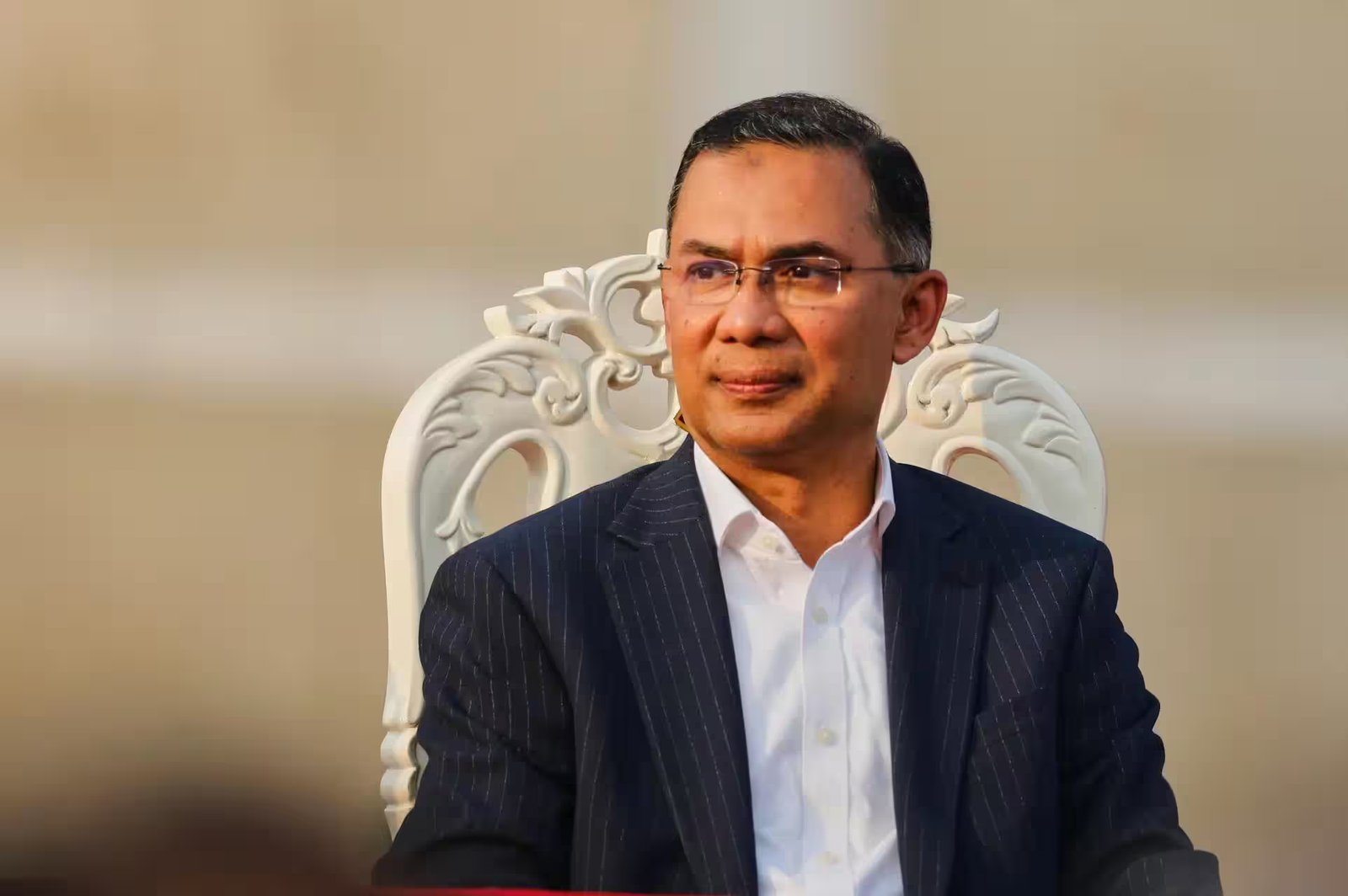
In view of the foregoing, President of Vietnam To Lam’s Sri Lanka visit (7-8 May 2026) along with a high-level delegation including top business executives, at the invitation of President of Sri Lanka, is far from routine. It holds substantial potential for elevating and broadening the fields of cooperation. Four factors underscore its significance.
First, within a month of assuming office as both President of Vietnam and General Secretary of VCP, his visit signals the importance of Sri Lanka in Hanoi’s foreign policy. His dual role further enhances the weight of the visit.
Second, he brings with him the ‘Vision for 2045’ articulated at the 14th National Congress that envisages a new growth model bridging the short-term development targets and Vietnam’s long-term goals to become a high-income and technologically capable nation. It emphasised international integration for Vietnam’s economic growth.
Third, his strategic outlook reflects this vision. His approach to diplomacy integrates national security, economic growth, and long-term strategic planning, underscoring deeper international partnerships to achieve Vietnam’s economic goals and regional peace, while maintaining strategic autonomy. His grasp of global dynamics enables him to engage and manage international partnerships with confidence and strategic clarity.
Fourth, Vietnam’s President To Lam and Sri Lankan President Dissanayake share broadly similar domestic and foreign policy priorities that could facilitate closer cooperation. Domestically both focus on anti-corruption, economic reforms and social justice. Internationally, they advocate peace, stability, security, the Global South interests and freedom of navigation based on multi-alignment policy.
His visit to Sri Lanka is expected to inject fresh momentum and help shape a new framework for multifaceted relationship by expanding cooperation beyond traditional sectors. Sharper focus is likely in sectors such as defence, maritime security, mining, construction, logistics, telecommunications, pharmaceuticals, technology, climate change, cybersecurity, and energy transition. Given Vietnam’s emphasis on innovation-led economic growth, greater attention may be given on harnessing emerging technologies like AI, biotechnology and renewal energy. Connectivity initiatives, including the possibility of direct flights, may receive priority.
His address to the Sri Lankan Parliament will be momentous for deepening ties. In essence, the Sri Lanka–Vietnam relationship is poised for a historic transition to a deeper partnership amid rising geopolitical uncertainties and trade disruptions.
However, the true success of his trip will depend on the ability of both sides to translate the growing strategic cooperation and political goodwill into concrete action plans in trade, investment, tourism, education, aviation, emerging technologies and connectivity, as well as establishing joint ventures for production and export to third countries. The joint ventures would not only boost economic ties but also reduce production costs and transportation time.
Given Vietnam’s President To Lam’s pragmatic and forward-looking foreign policy and his interactions with other countries, Hanoi appears increasingly proactive in leveraging strategic partnerships to enhance both national security and economic growth within the broader Asian dynamics. With tangible outcomes, this visit could usher in a new era in Sri Lanka-Vietnam relationship, unlocking new opportunities and yielding lasting benefits for both countries.
Disclaimer
Views expressed above are the author’s own.
END OF ARTICLE