NASA radar captures parts of Mexico City are dropping faster than scientists expected |

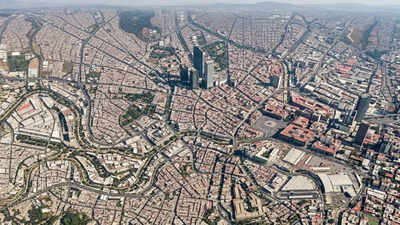
Mexico City is slowly moving downwards. While the issue of subsidence has been known for over a century, recent satellite measurements have provided a better understanding of the problem.Scientists working with NASA’s NISAR radar satellite have managed to determine how much Mexico City is sinking every month in different regions. Based on the data obtained by the Jet Propulsion Laboratory of NASA, the researchers found that in some regions of Mexico City, subsidence occurs at a rate exceeding half an inch a month.Some zones in Mexico City are subsiding at a rate higher than two centimetres per month. The measurements were taken between October 2025 and January 2026 during the dry season.Why Mexico City is subsidingThe reason for the phenomenon lies beneath the ground surface. Mexico City is located where there used to be an ancient lake. Over time, the lake dried up, and clay soils remain underneath the city’s foundation.With the growth of the population in Mexico City, the need for drinking water increased. Groundwater has been withdrawn for many years, which has further caused compaction and sinking of soils due to the loss of volume.The problem was recognised as early as 1925 when the earliest engineers reported the ground movement. However, by the end of the twentieth century, certain areas experienced up to 14 inches of settlement annually.Scientific publications by the USGS related to the topic of land subsidence indicate that these materials can never revert to their initial form after the process of compression begins.What new satellites reveal about Mexico CityThe NISAR satellites provide more insights into the ground’s behaviour and the way it moves. The satellites make use of advanced radar technology capable of sensing slight elevation changes through any atmosphere.In contrast to traditional radar satellites, NISAR uses not one, but two radar frequencies. It combines the L-band radar, able to penetrate surface layers, with the S-band radar providing added resolution.As such, the scientists working with this satellite will be able to measure movement on a millimetre level. According to NASA, it takes NISAR satellites 12 days to cover each point twice.Craig Ferguson, a NASA Project Manager, mentioned that this new technology increases confidence in the results obtained.
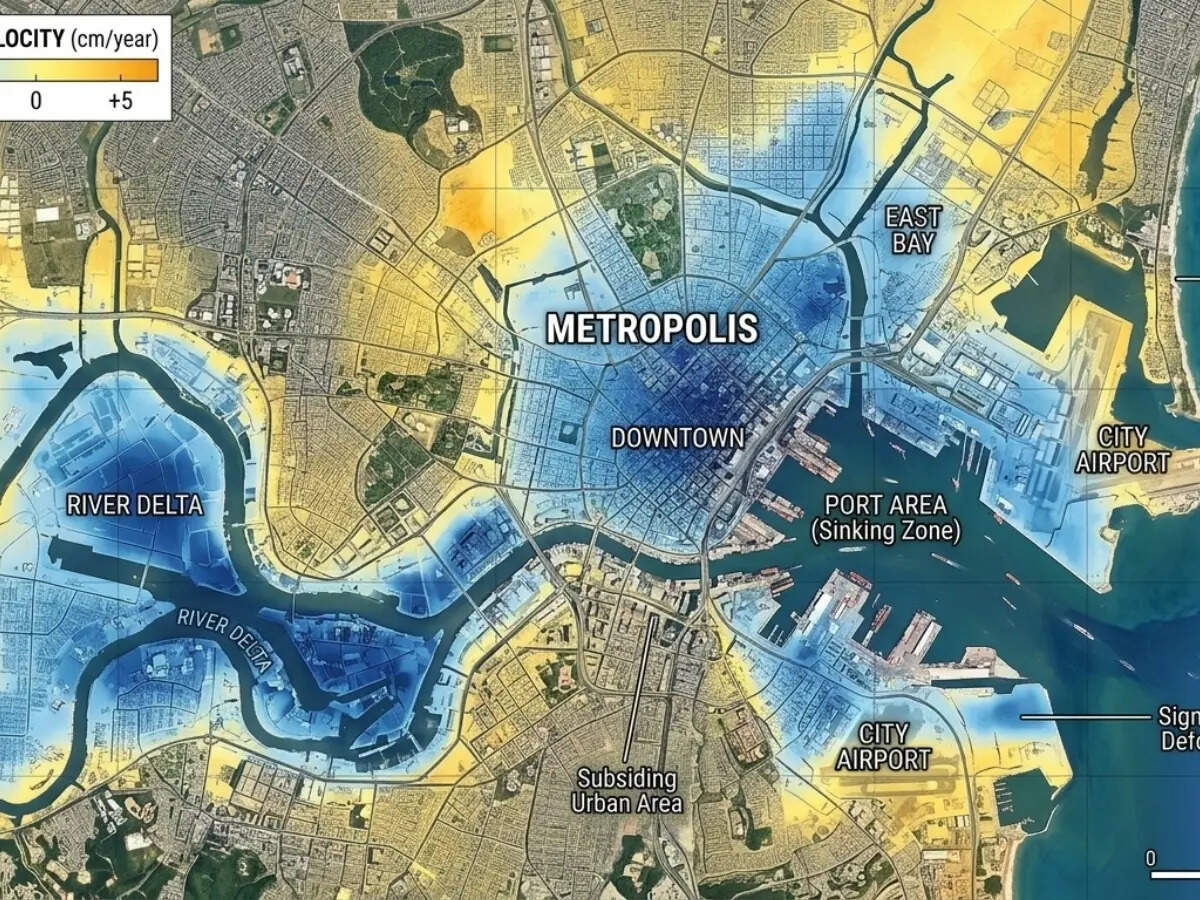
Mexico City is sinking inch by inch daily. Image credit – Gemini
Visible signs of the long-standing problemThere are signs of the negative effect on Mexico City all over its territory. Cracks appear on the roads, and tilts affect buildings. For instance, there is the famous monument called the Angel of Independence that was built in 1910. At first, it stood at the same level as the streets, but then steps appeared because of sinking.Such issues affect Mexico City’s infrastructure and its population negatively. Infrastructure damage impacts millions of people living there every day. Studies on urban subsidence prove that cities affected by sinking, experience constant maintenance needs of their infrastructure systems.Importance of accurate monitoring of the problemMonitoring the issue is crucial for proper planning and safety. Otherwise, it will not be possible to identify the problem areas. NISAR data obtained by NASA is accessible to scientists and governments worldwide. The number of satellite data products exceeds 100,000, thanks to the Alaska Satellite Facility.Mexico City became a perfect example of what can be done with NISAR data, according to David Bekaert, who participated in developing the NISAR science team.This will happen because of the ability of the satellite, which will help in making some more discoveries in other places, too, experiencing the same kind of risks. In addition, accurate monitoring helps in preparing cities for such combination threats as well. Coastal cities can also face problems of land subsidence leading to more flooding due to rising sea levels.Next steps for Mexico CityThe research is now considered preliminary. It is expected that in the future, scientists will get clearer results when the amount of data will be larger.This can also help in assessing the yearly changes. It could also help in assessing how the attempts to control the use of underground water are working out. However, according to experts, this problem is hard to fix. Once the soil is compressed, this situation will never change.An increasing global problemMexico City is not an exception. The problem of land subsidence is faced by other cities across the globe, from California to Indonesia and China.Groundwater depletion is cited as one of the major causes by the US Geological Survey. The increasing population results in more demand fot the underground source of water.The NASA NISAR program monitors these trends across the world. Through its accurate measurement, researchers can study how urban areas react to environmental challenges and human impacts.