Called out ‘kallo, kali’: Meet Hema Gill, ‘that terrace girl’, who shattered trolls with her impeccable terrace walk and landed a Guru Randhawa video

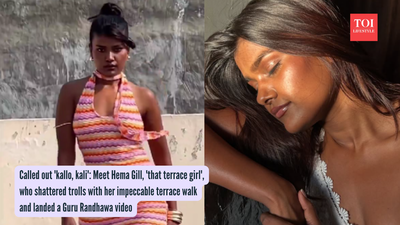
Social media has the power to make or break the dreams that people set for themselves.Content creators often post photos and videos that turn them into overnight sensations – but, like a coin with two sides, sharing multimedia online comes with its own set of risks.But one girl has challenged these norms, coming back stronger – proudly owning herself with complete confidence and fighting back at the people who questioned her choice.Meet Hema Gill, popularly known online as the “terrace video girl.” Her journey isn’t just about going viral or stepping into a music video with Guru Randhawa – it’s about a young woman refusing to let narrow beauty standards define her worth.
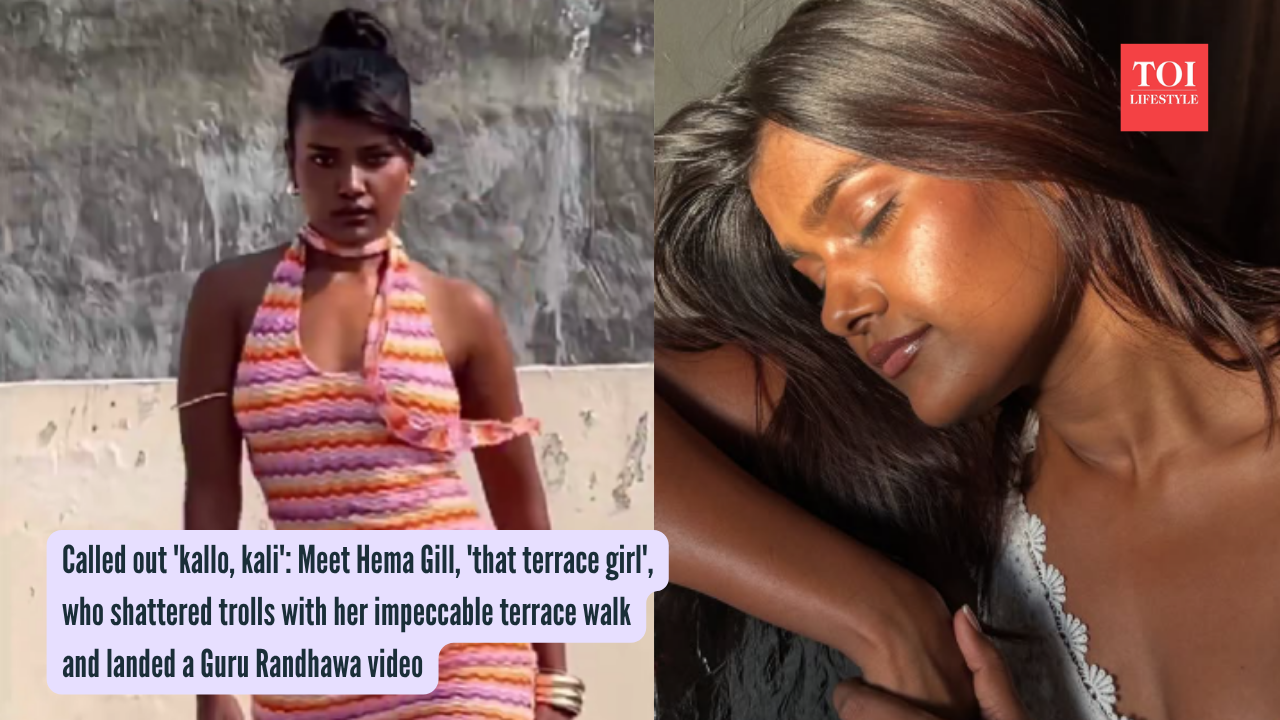
Photo: @the_hemagill/ Instagram
Indians have long been fed the stereotype that “fair-skinned equals beautiful,” but Hema’s dusky skin and unapologetic confidence have become a quiet rebellion. She was told she didn’t fit the mould of a model, but instead of shrinking, she built her own stage right on the terrace of her home.
Who is Hema Gill?
From “won’t fit the bill” to finding her runwayHema Gill is an online content creator, known for her terrace ramp walk videos that often go viral, earning her millions on views.She studied fashion in Delhi and landed a job, however she did not feel satisfied with her role and decided to quit.According to her interview with Brut, she faced rejections in modelling roles for her height but she decided to frame her own runway.According to Indiatimes, “Hema Gill was told she didn’t ‘fit the bill’ to be a model. So she built her own stage.” Instead of giving up, she started posting videos online, all dressed up performing rampwalks with utter confidence and impeccable moves.Spending hours observing catwalk videos, copying posture, and rehearsing expressions until walking in front of the camera felt like second nature.Initially, her clips were raw and unpolished, but they carried a clarity that filters and fancy studios often drown out: she believed she belonged on the runway, even when no one had invited her.
She faced rascism for her skin colour
She recalled in a Brut interview that neighbours called her out for her skin colour, with bizarre names like, ‘kali, kallo.’ She even ended up picking fights with her neighbours who called her out for alleged nudity, pulling down a sticker from her room wall when asked what exactly she was doing wrong.
From rooftop clips to Guru Randhawa’s music video
The turning point came when one of her terrace walks went viral, amassing millions of views and sparking a wave of both praise and criticism.Her growing online presence led to brand partnerships and appearances in projects produced by big names in the entertainment industry, including a feature in the song “Vogue” produced by Bhushan Kumar. This momentum eventually caught the eye of singer Guru Randhawa, leading to a music‑video collaboration that marked a major milestone in her modelling journey.
Challenging beauty standards, one walk at a time
Hema’s story is not just about personal success; it is about how a single, stubborn act of self‑belief can chip away at long‑held beauty norms. In one of her own Instagram reels, she reflects on being called “too dark” as a child, writing, “At five, I dreamed of runways. At auditions, my skin spoke for me.” Even when someone from a nearby building shouted “kali” during one of her terrace shoots, instead of hiding, she recorded the moment and chose to own it, turning shame into narrative.