
With all eyes on Hormuz, India’s old links offer a new lens
As the latest Gulf war heads into its fifth week, President Trump’s 15-point proposal for a negotiated settlement has run smack into Iran’s 5-point response.
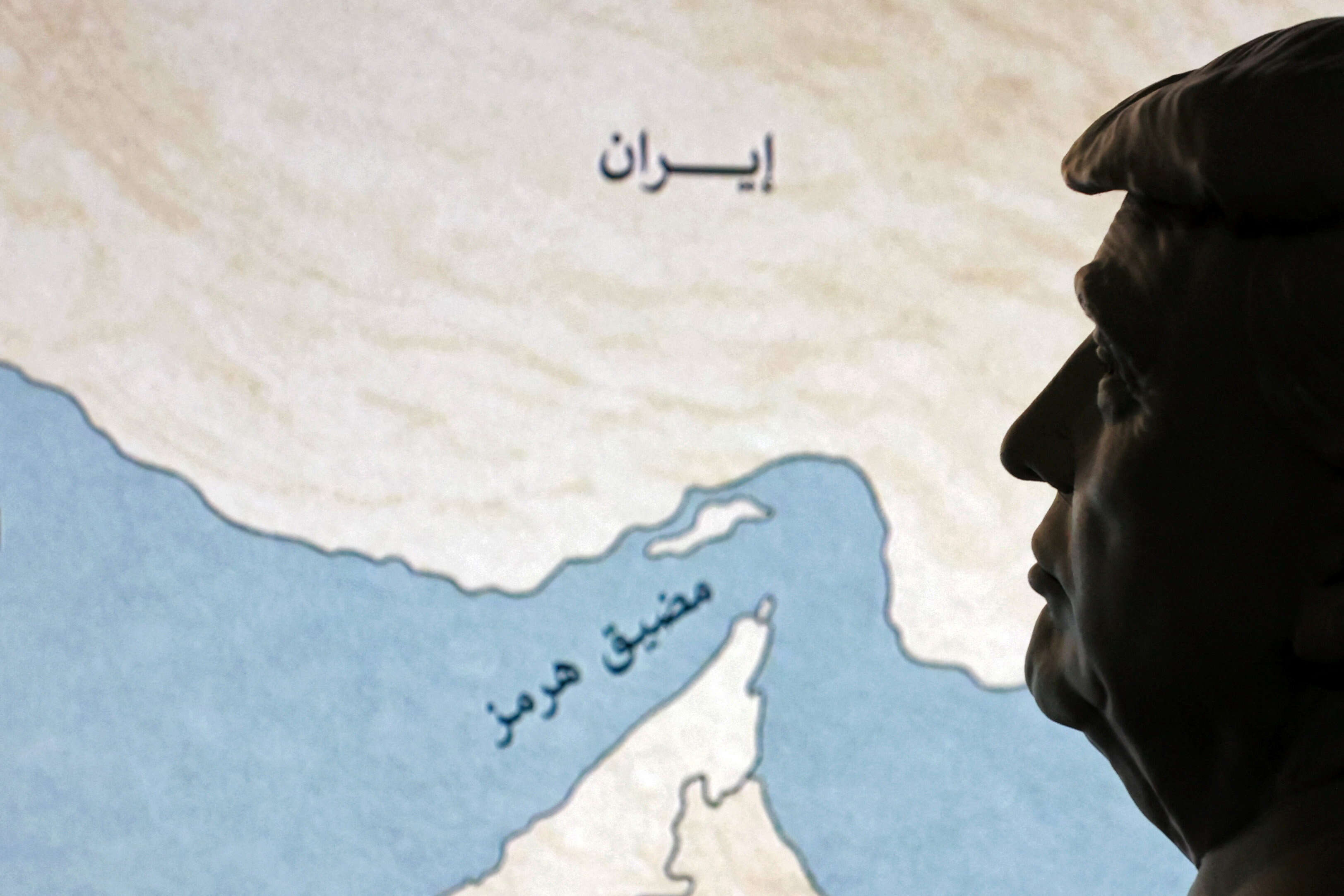

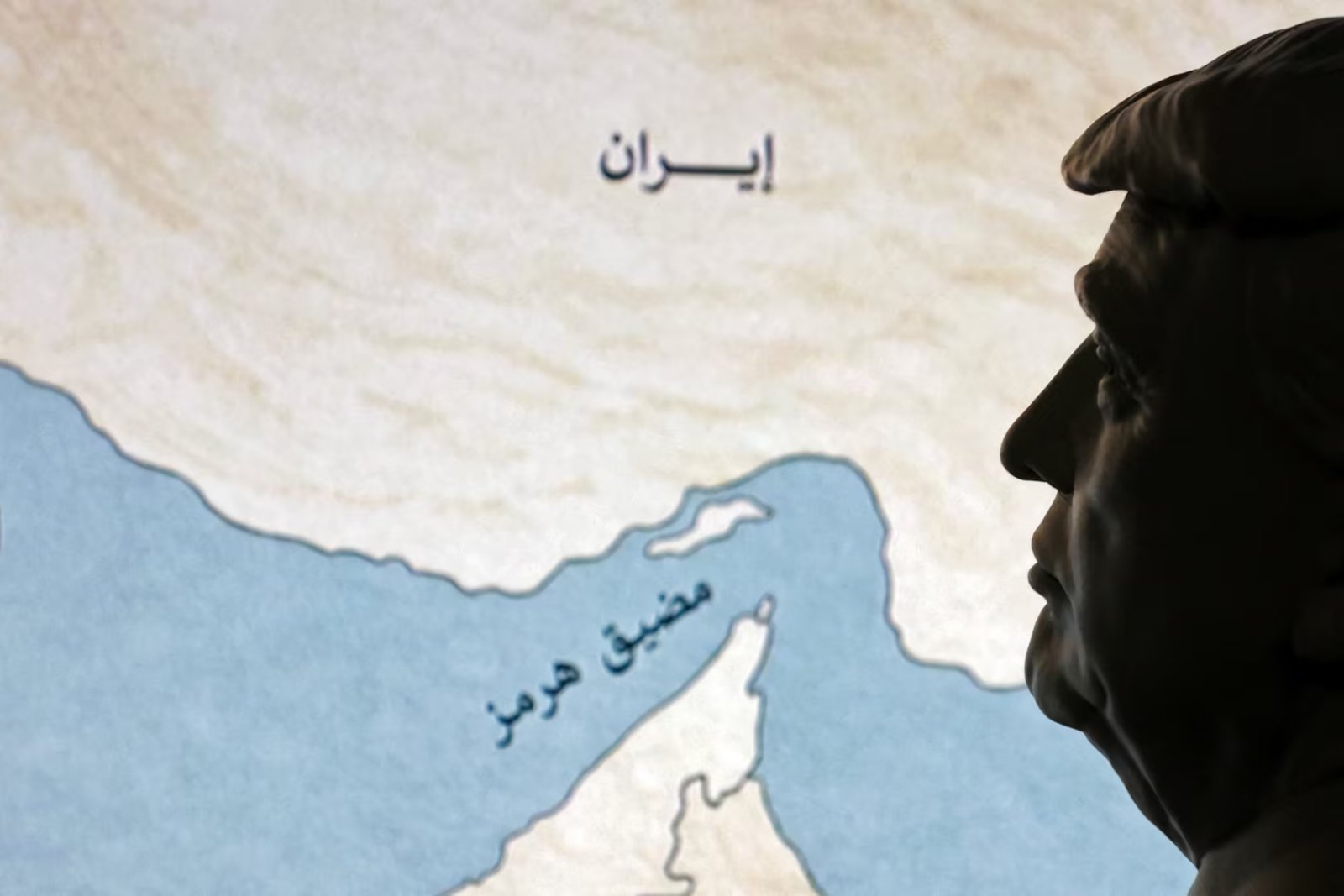
While Iran’s nuclear and missile programmes and its proclivity to use armed proxies for pursuing its strategic perspectives remain the perennial sources of discord, much of the focus during this phase of the war has settled on Iran’s de facto control of the Strait of Hormuz. The US plan demands that the Strait must be declared a free maritime corridor with guaranteed passage for all nations, while Iran insists that it retains full control over the waterway and may even levy transit fees a la the Suez Canal.
Forgotten in the din of war is the small, multi-hued island called Hormuz that sits outside the port city of Bandar Abbas. There must be a sense of déjà vu as the island squirms in the glare of international media and braces for yet another joust amongst suitors vying for control over one of the world’s most strategic maritime routes. It may also be looking wistfully towards India as it recalls its ancient ties with merchants from Gujarat and the Malabar coast and the subsequent protection provided by Bombay.
The Kingdom of Ormuz, as it was known, really came into its own from the 11th until the 14th century by developing trade networks that leveraged its location at the cross-roads of global commerce. As a thriving, cosmopolitan port, Hormuz became a magnet for merchants from Arabia, Persia, China and especially from India. The Indians brought spices, cotton textiles, indigo dyes, rice and sugar for export to the Persian hinterland, Mesopotamia, Turkey and even to Europe through the established overland routes. Many of them chose to live permanently on the island, married locals and left an enduring imprint on the language, culture, customs and cuisine. They also bought the prized Persian and Arabian horses, Basra pearls, dates and dry fruits and Chinese silks and sold these at a considerable profit in the Indian market. Contemporary accounts suggest that even after attacks by the Mongols in the 14th century forced the rulers to move to the mainland, Hormuz remained a fortified, prosperous city with diverse trading communities and bustling bazaars and warehouses.
Meanwhile, the Ottomans took Constantinople (Istanbul) in 1453 and elbowed out the Venetian and Genovese merchants to assume control of the lucrative land routes to India and China. Finding a sea route that bypassed the Ottoman hegemony had become the holy grail for European merchants in the 15th century. Vasco da Gama became the first European to land up on the shores of Kozhikode (Calicut) in 1498 and quickly opened the way for Portuguese control of trade along India’s west coast. By 1507, Afonso de Albuquerque had expanded into Goa, Bombay and Diu and declared himself the Portuguese Viceroy in India. He now wanted to consolidate his monopoly on trade with India by securing control of the sea lanes and one of his first steps was to seize Hormuz and build a massive fort called Fort of Our Lady of the Conception. Soon, the Portuguese were running the show along southern Persia and the Arabian coast, levying duties on merchants and taxes on passing ships.
The British were watching this with envy. The East India Company was formed in 1600 and Captain William Hawkins was dispatched to the Court of the Mughal emperor Jehangir with a letter from King James I. He obtained a concession to establish a trading post in Surat in 1608 and encouraged by the enormous profits that they were raking in within their first few years of operations, the Company’s managers started to cast their eyes on Persia as the next destination for their products. But first, they had to get rid of the Portuguese presence on Hormuz. This was accomplished in 1622, as a naval force dispatched from Surat helped the Persian emperor Shah Abbas to take control of the island. In return, the Company was allowed to set up a trading base in the port city of Bandar Abbas.
As trade grew, the Company established its first Political Resident in Bushehr and put a naval squadron under his charge in Hormuz to protect British ships, subjects and interests in southern Persia and the Gulf region. Hartford Jones, as the first Political Resident in 1763, reported to the Company’s Governor in Bombay. The control of the Raj over the Gulf for the next 170 years was embodied in the Viceroy of India and the Governor of Bombay, executed through Political Residents drawn from the Indian Political Service and supported by the naval presence in Hormuz and in the neighbouring island of Qeshm . Despite interludes of dominance by the Sultanate of Muscat and Oman and by the Qasimi rulers of Sharjah and Ras al Khaimah in the 18th and 19th centuries, this arrangement continued all the way until the 1930s, when a newly anointed Reza Shah Pahlavi started to assert Persian control over the islands. The British decided that it would be safer to move their base to Ras Al Jufair in northern Bahrain, where they maintained a naval contingent right until 1971 when they withdrew from the Gulf and other territories east of the Suez. Their erstwhile British naval facilities in Bahrain now serve as the home of the Fifth Fleet of the US Navy.
In more recent times, almost 16% of India’s foreign trade, over half of crude oil and LNG imports and two thirds of the urea and ammonia needed for fertilizers comes via the Strait of Hormuz. As we grapple with the challenges posed by Iran’s restrictions on transit through the international waterway, we would do well to bear the shared connections of history in mind.
This piece appeared as an editorial opinion in the print edition of The Times of India.
END OF ARTICLE