
India’s love for fermented comforts
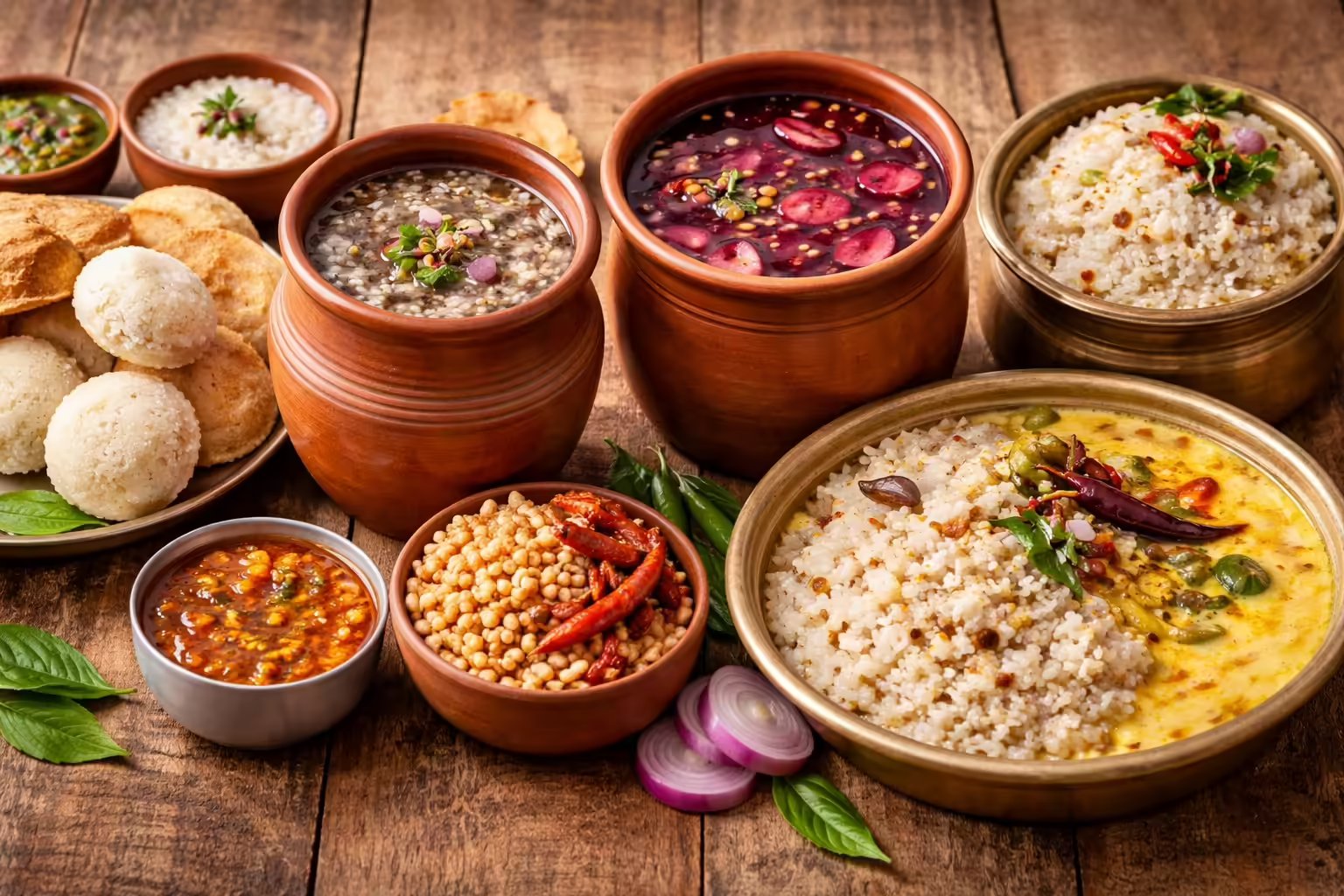
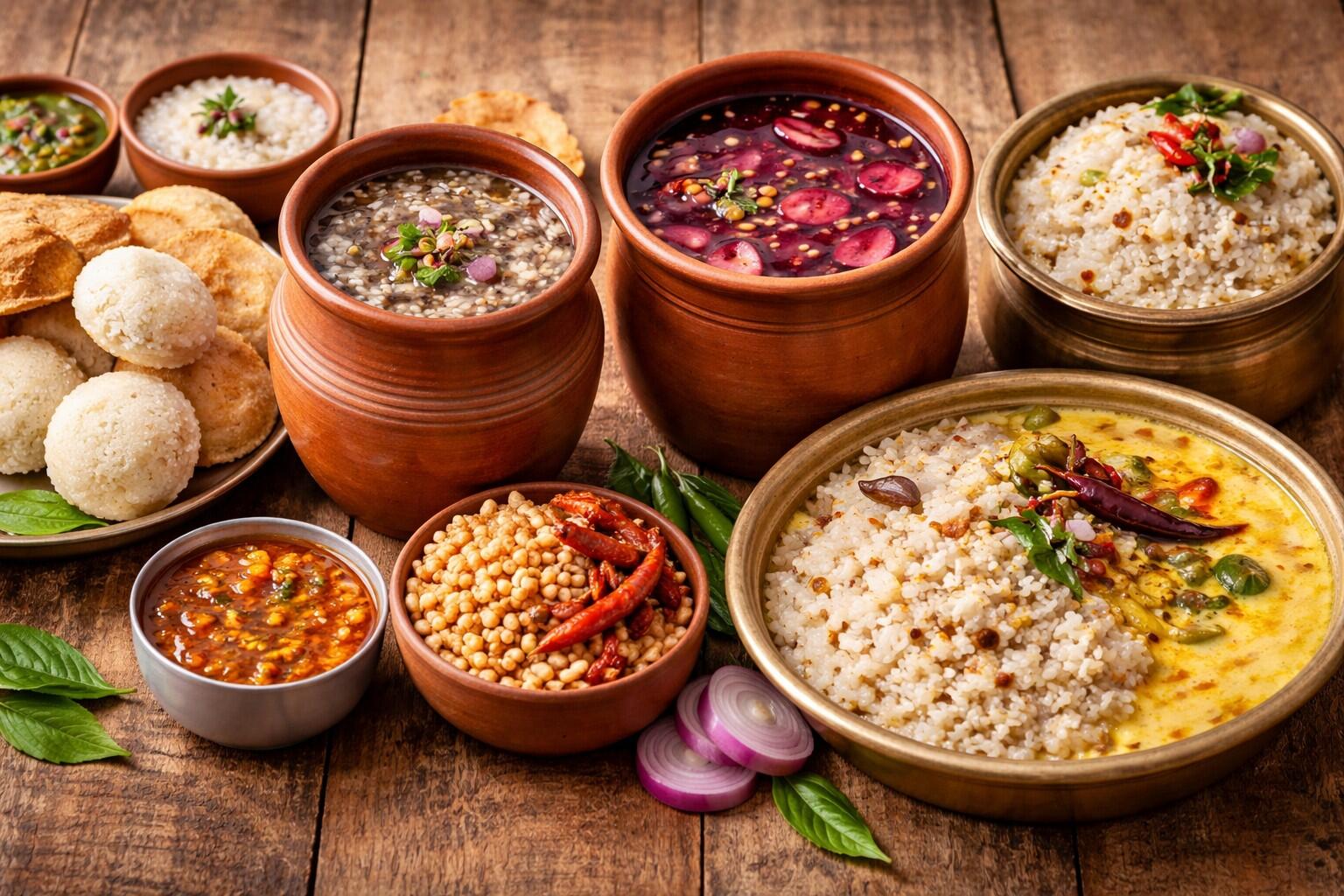

India has a rich and diverse culinary heritage, and fermented foods have long been an integral part of everyday diets across the country. From the soft, fluffy idli and crispy dosa in the south to the comforting pakhal bhat in Odisha, fermentation has been a natural and essential cooking technique. In eastern India, dishes like panta bhat are commonly consumed, especially during warmer months for their cooling properties. Further south, traditional drinks such as ragi ambil highlight the nutritional benefits of fermentation. In Bihar, basi bhaat paired with kadhi reflects resourcefulness and taste, while in the north, kanji is a seasonal favorite known for its tangy flavor and probiotic qualities.
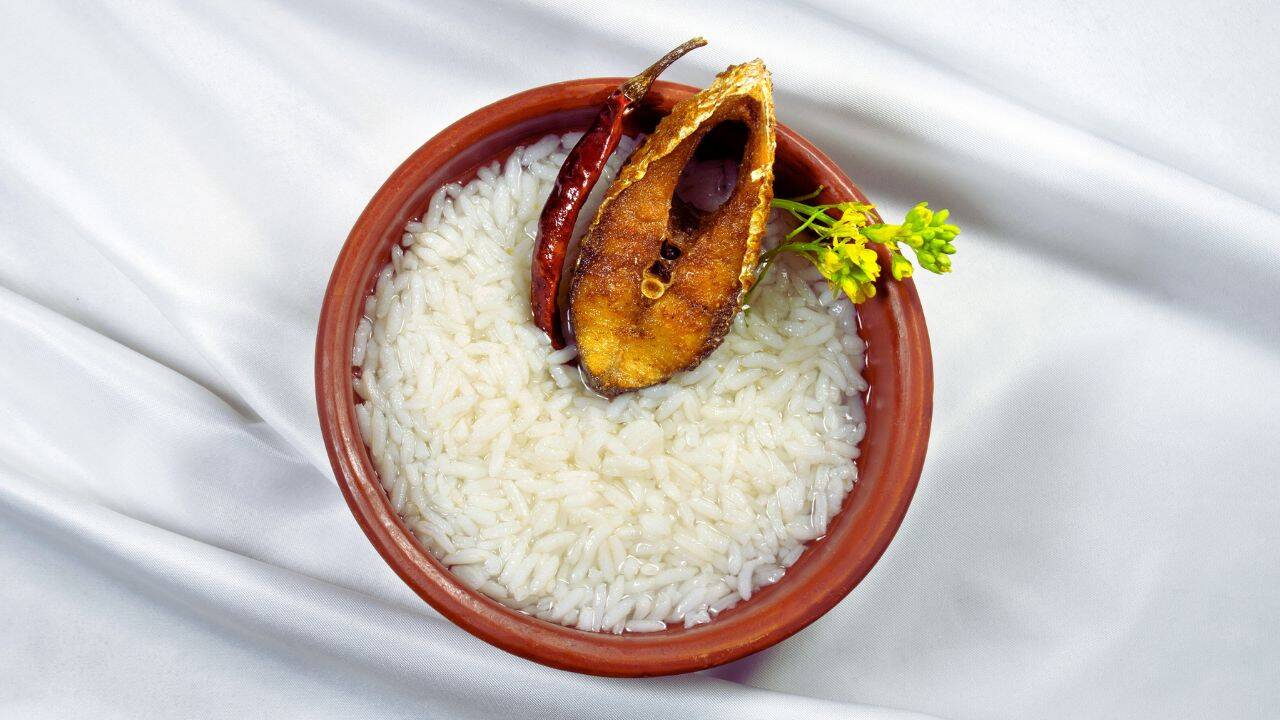

In this newsletter, we will discuss how these foods are not just culinary staples but also reflect local climates, agricultural practices, and cultural traditions. Fermentation enhances flavor, preserves food, and boosts gut health, making it both practical and beneficial. We will also explore how these time-honored dishes continue to remain relevant in modern diets while connecting generations through taste and tradition.
Read full article: What is Odisha’s Pakhala Bhaat and 5 similar fermented rice dishes enjoyed in other Indian states
Ragi Ambil-South India’s solution to every problem

Ragi ambil is highly valued in South India for its nutritional richness and cooling properties, especially in hot climates. Made from fermented finger millet, it is packed with calcium, iron, fiber, and probiotics that support digestion and gut health. Traditionally consumed by farmers and rural communities, it provides sustained energy and helps prevent dehydration. Its natural fermentation enhances nutrient absorption and gives it a tangy, refreshing taste. Ragi ambil is also affordable, easy to prepare, and deeply rooted in local food traditions, making it both a practical and wholesome daily drink that reflects the region’s wisdom of eating in harmony with the climate.
Read full article: What is Ragi Ambali? Lesser known benefits of this summer delight
Kanji: The magic of winter
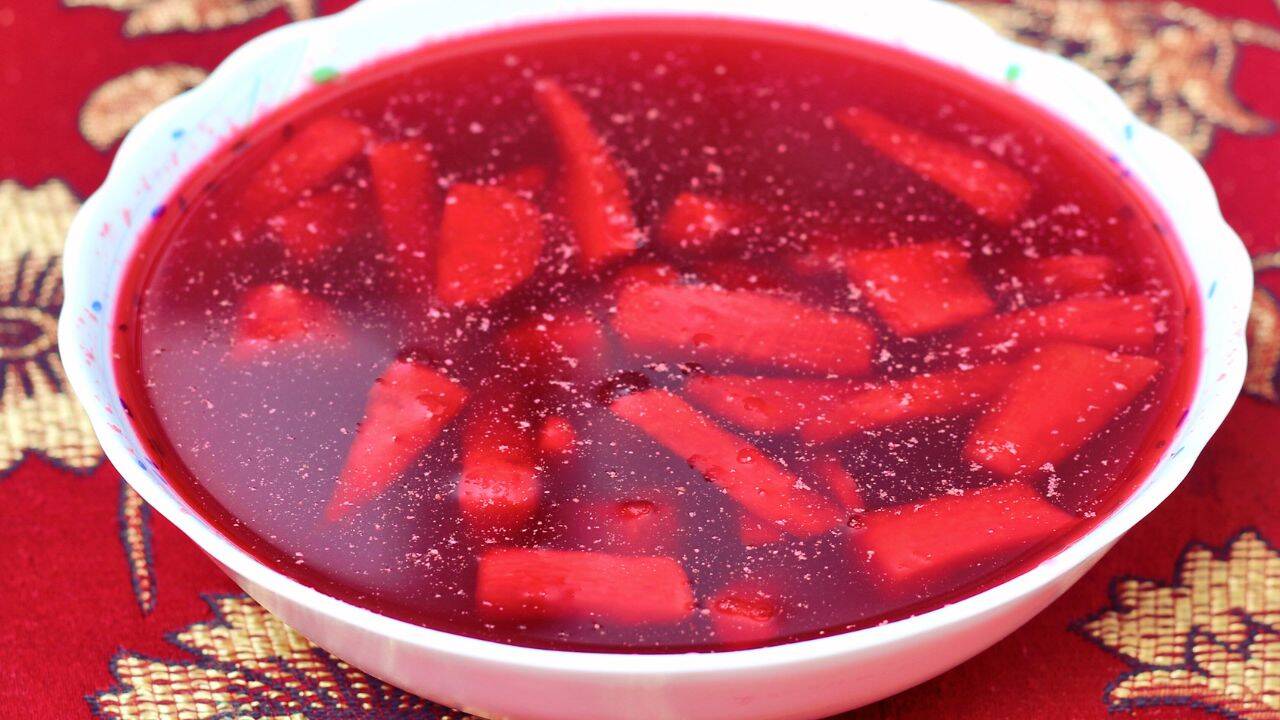
Kanji holds an important place in North Indian cuisine, especially during the winter and early spring months. This fermented drink, usually made with black carrots, mustard seeds, and water, is valued for its tangy taste and strong probiotic benefits. It aids digestion, boosts immunity, and helps cleanse the system. Kanji is often prepared during festivals like Holi, reflecting its cultural significance. The colder climate of North India makes fermentation ideal, allowing flavors to develop naturally. Passed down through generations, kanji is not just a drink but a tradition that showcases the region’s understanding of seasonal, health-focused eating.
Read full article: How to make Kanji and its immense benefits
Why idli remains the ultimate comfort food
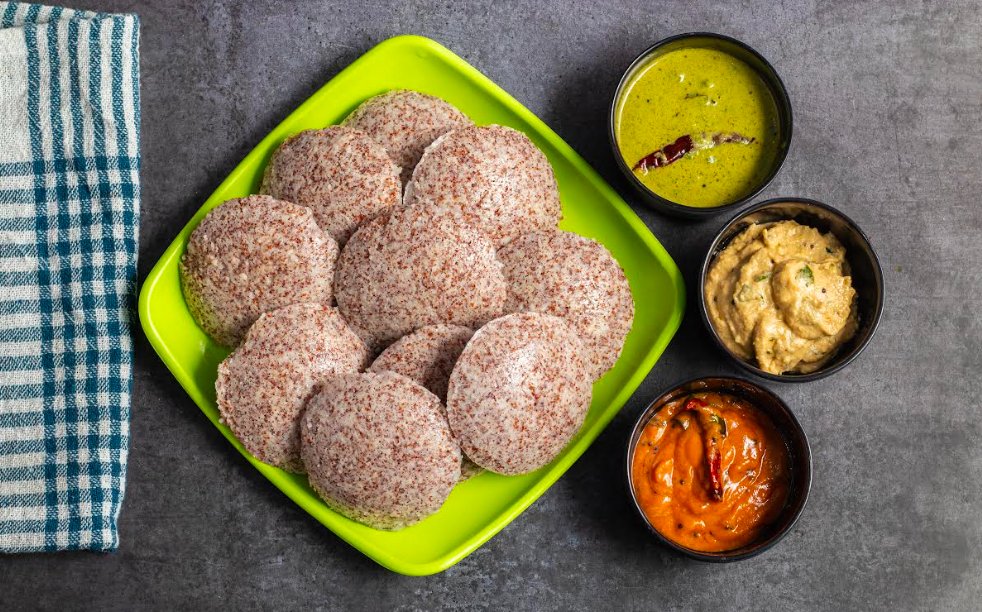

Idli remains one of the most important fermented foods in India due to its simplicity, nutrition, and digestibility. Made from fermented rice and urad dal batter, it is light on the stomach and easy to digest, making it ideal for all age groups. The fermentation process enhances its nutrient value, adding beneficial probiotics that support gut health. Steamed rather than fried, idli is low in fat and considered a healthy breakfast option. Its soft texture and mild taste make it widely popular, while its deep roots in South Indian tradition ensure it remains a staple across generations.
Read full article: What does a plate of Idli Sambhar offer and why it was 2025’s most searched food
Disclaimer
Views expressed above are the author’s own.
END OF ARTICLE