India’s highways to get AI dashcams: A high-tech plan to track potholes and road damage across 40,000 kilometres |

India’s highways are all set to get a tech boost. The National Highways Authority of India (NHAI) reportedly plans to install AI-based dashcam systems on approximately 40,000 kilometres of Indian roads. The initiative appears to be an attempt to make the management of Indian highways more data-driven and forward-thinking. Rather than waiting for complaints or accidents to occur, authorities will reportedly use cameras to detect issues. Surveys will be conducted every week, defects will be detected by cameras, and real-time monitoring will be done.
AI dashcams set to transform India’s highways with real-time road monitoring
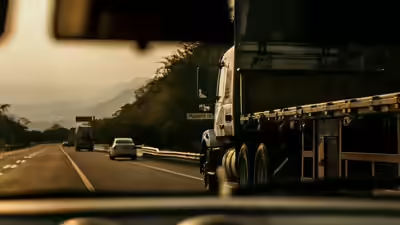
According to PIB reports, Route Patrol Vehicles will carry the specialised dashboard cameras. These vehicles are expected to conduct weekly surveys across all major stretches. The cameras will record high-definition images and videos, which AI models will analyse for over 30 types of defects and anomalies. The main idea is to automate detection and reduce the need for manual inspection.A major focus of the system is pavement condition. Potholes, rutting, and severe cracks will be identified early. The AI models reportedly detect these issues automatically using advanced machine learning. Experts say early detection could reduce long-term maintenance costs and prevent sudden road hazards. It appears the system might even track the progress of repairs over time.
AI-powered road monitoring: How dashcams will detect potholes, cracks, and more
On India’s highways, they’re fitted to Route Patrol Vehicles to keep a constant eye on the roads. They will record high-resolution images and videos every week, but the real twist is that AI and machine learning systems analyse this footage automatically. These models will be trained to spot over 30 different issues, from potholes, rutting, and cracks to faded lane markings, damaged barriers, and streetlights that don’t work.
AI watches beyond the road: Safety, signs, and night checks
The AI system isn’t limited to the road surface. It will also cover road furniture such as lane markings, crash barriers, and streetlights. Faded or damaged components will be flagged in real time. Monitoring will extend to safety issues and encroachments. Illegal median openings, unauthorised signboards, and roadside encroachments will be recorded. Even illegal parking along highways may be identified. This makes the system more comprehensive than traditional inspections.NHAI reportedly plans at least one monthly nighttime survey for each stretch. Night checks are crucial for assessing road signs, reflective pavement markings, road studs, and highway lighting. These surveys could reveal issues that daytime inspections might miss. Officials say the addition of night data might improve safety for drivers who travel after dark.
AI dashboards and data zones make monitoring easier
In order to effectively handle this vast amount of data, the NHAI plans to subdivide the country into five monitoring zones. Each of these zones will have a specific IT solution to handle the data, run AI analytics on it, and display the results through interactive dashboards. Side-by-side analysis of the road conditions will reportedly help officials track maintenance progress. The results produced by AI will be integrated into the Data Lake solution provided by the NHAI.