
Unsung stars of desi plates
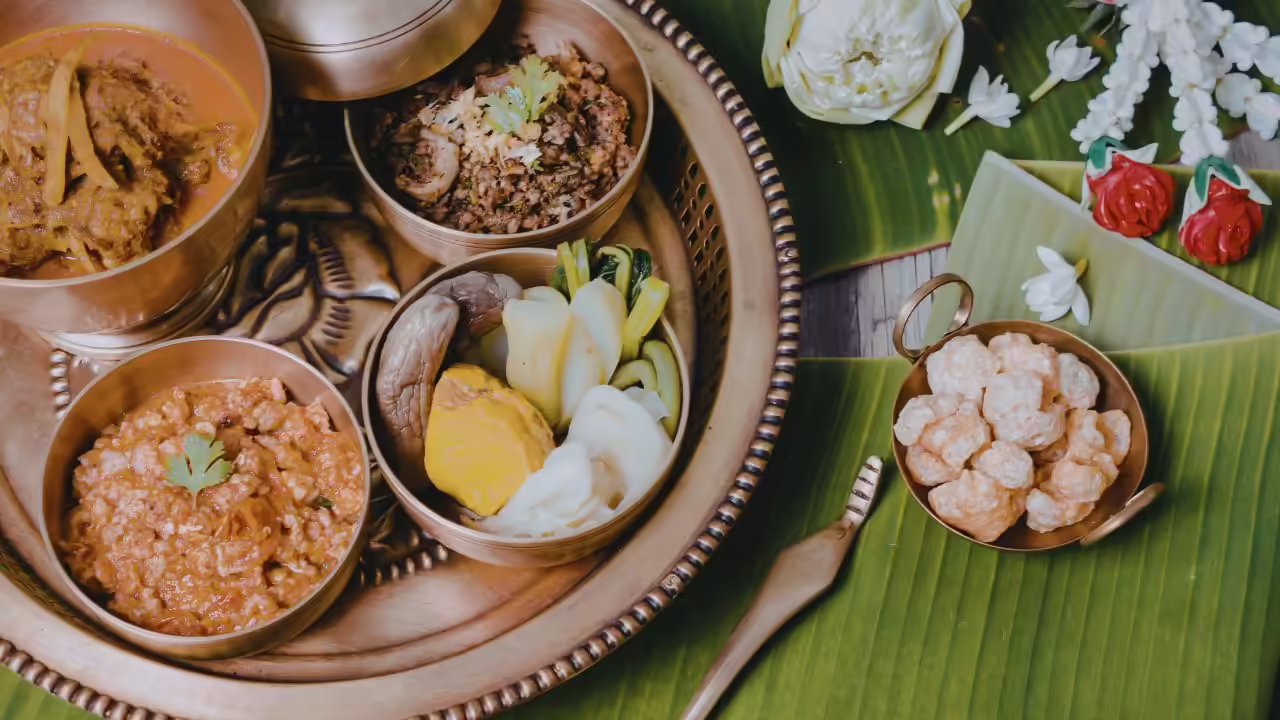
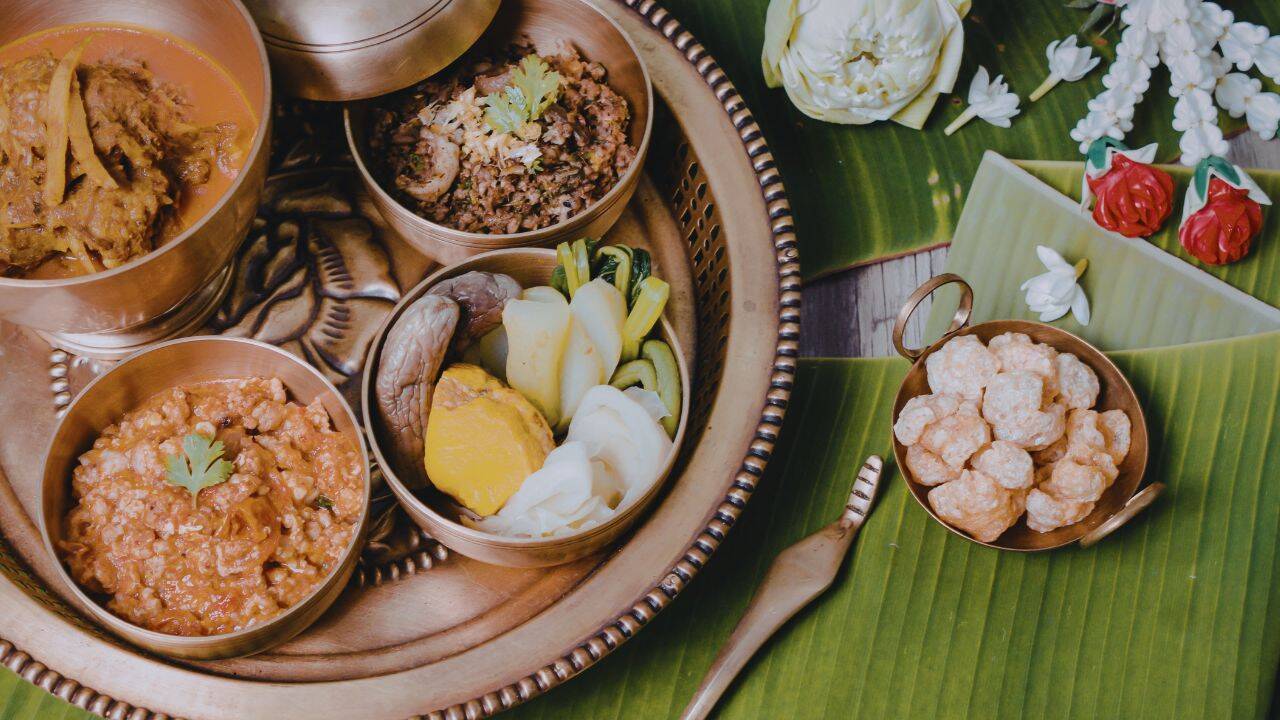

Local ingredients like mahua, nolen gur, roselle, and pandan leaves represent a powerful resurgence in Indian cuisine, bridging ancient traditions with cutting-edge innovation. These hyperlocal treasures—harvested from forests, palms, and backyards—carry stories of sustainability and community. They sustained tribes through famines, fueled festivals with earthy sweetness, and healed with natural potency, long before global supply chains dominated kitchens. Today, their revival honors that legacy while adapting to modern tastes. Chefs across urban India and beyond are alchemizing them into fusion marvels: floral syrups in craft cocktails, tangy glazes on grilled meats, green-infused pastries, and jaggery-kissed chocolates. The revival isn’t mere nostalgia—it’s smart gastronomy. Local sourcing cuts carbon footprints, boosts farmer incomes, and delivers peak freshness that imported vanilla or cane sugar can’t match. Flavors pop brighter, nutrients stay intact, and dishes gain authentic depth that wows discerning palates.
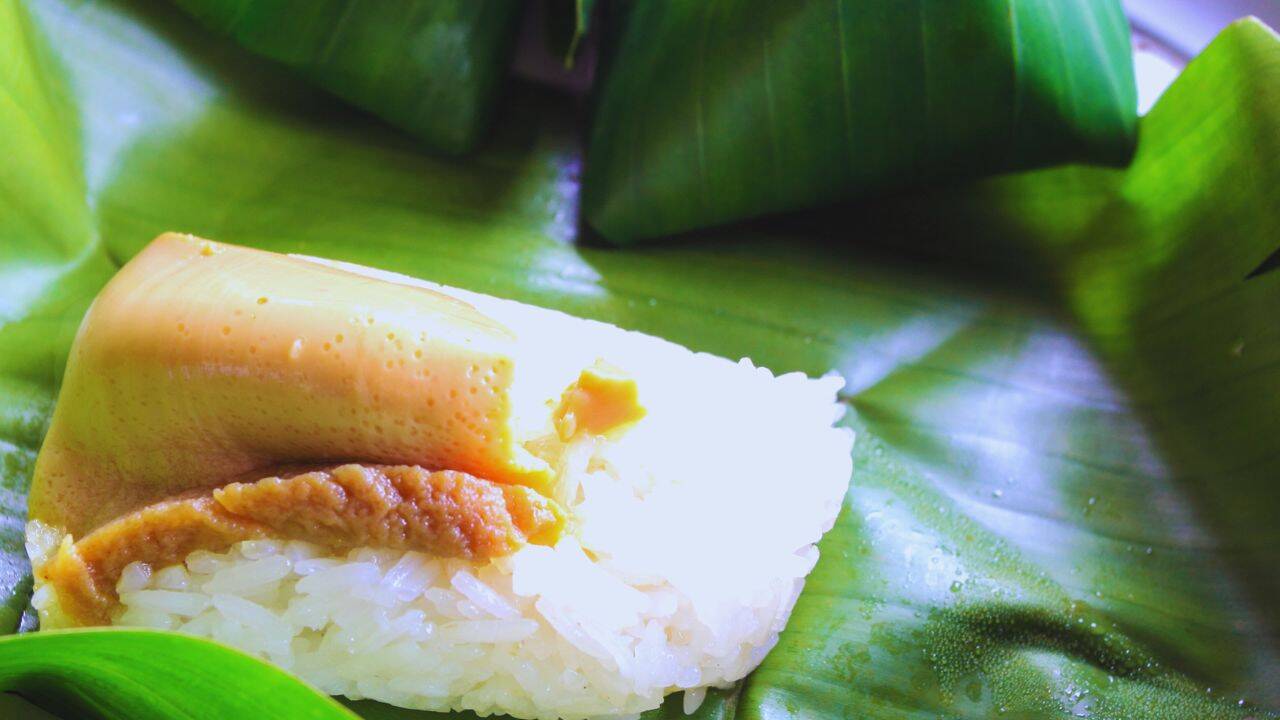
In this newsletter, we explore these unique ingredients as cuisine’s future-proof kings. They prove revival isn’t backward—it’s bold evolution, where heritage meets haute, one vibrant bite at a time. Small-scale growers thrive, biodiversity flourishes, and eaters rediscover joy in the familiar-yet-fresh.
Read more at: Local Bihari ingredients that are ruling the global tables
Nolen Gur: Bengal’s love dipped winter ingredient
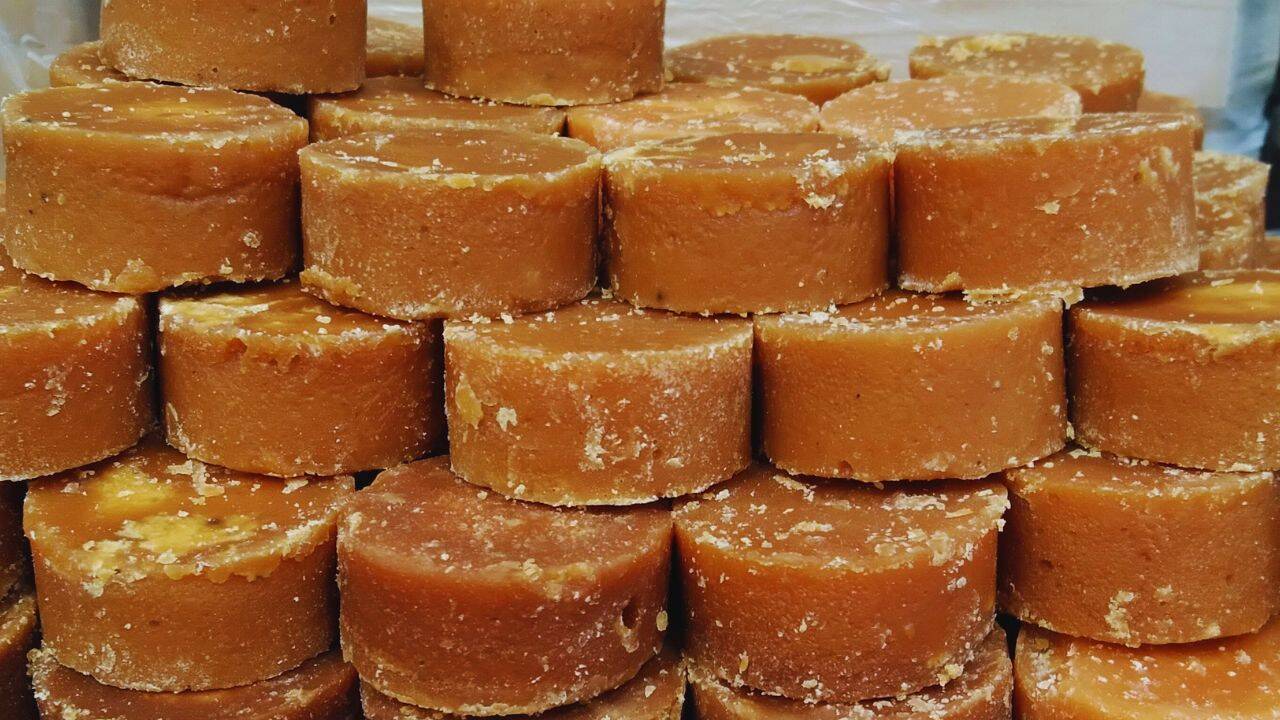
Nolen Gur holds immense importance in Bengal as the “new jaggery” from date palm sap, harvested only in winter from November to February. This creamy, caramel-woody sweetener evokes deep nostalgia, transforming foggy mornings into feasts of patishapta pancakes, gooey pithas, and sandesh that melt like clouds. Culturally, it stars in Poush Parbon and Sankranti, binding families through payesh rice pudding and rosogollas kissed by its earthy glow. Health-wise, it’s richer in iron, magnesium, and potassium than sugar, aiding digestion, boosting hemoglobin, and fighting winter chills without spiking blood sugar.
Read full article: Health benefits, nutritional value, and the best ways to consume date palm jaggery
Mahua: The sweetness of forest in your glass
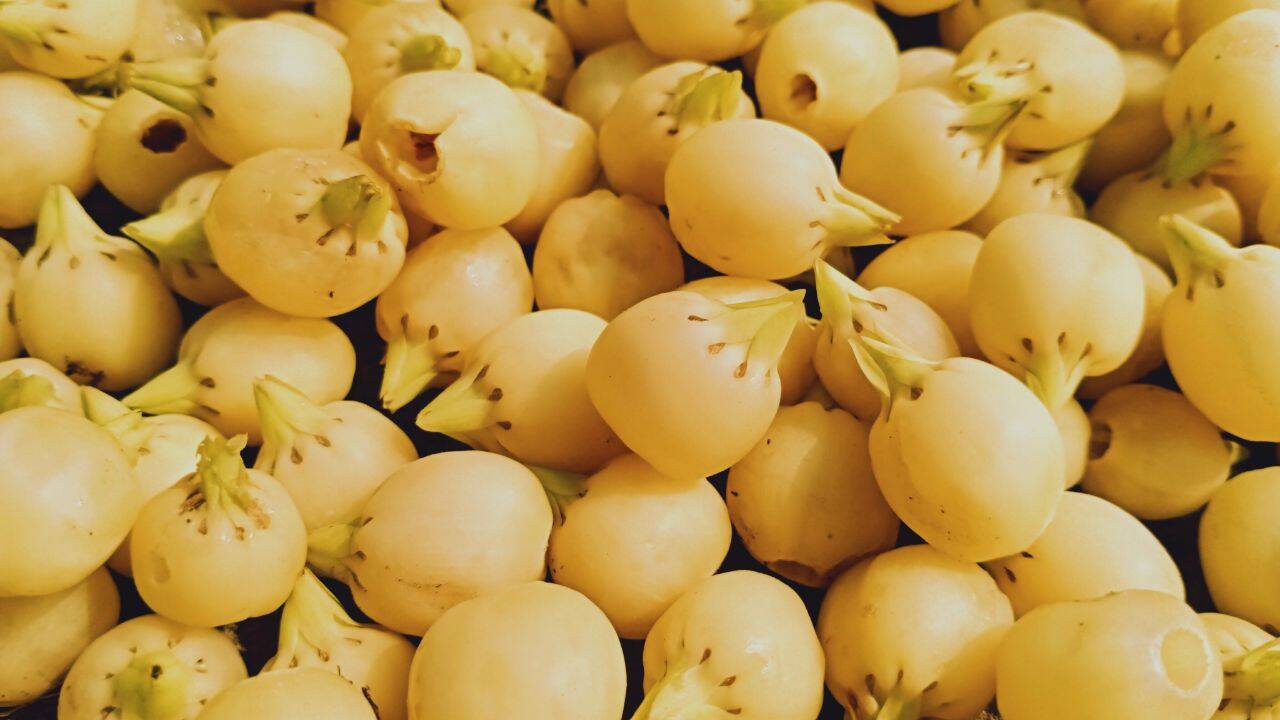
In central India’s dry forests, mahua flowers (Madhuca longifolia) drop like manna during spring, gathered at dawn by tribal communities in Madhya Pradesh, Chhattisgarh, Jharkhand, Odisha, and beyond. Creamy and caramel-sweet, fresh blooms yield sticky syrups or jaggery substitutes; dried, they enrich millet porridges, flatbreads, and rice dishes for lean times. Odisha crafts halwas and steamed cakes; Chhattisgarh simmers them into hearty meals. Fermented into aromatic liquor, mahua fuels rituals, weddings, and festivals—a sacred bond with ancient trees.
Read full article: The tribal blossom sweetening forest cuisine
Pandan leaves: Vanilla of the East
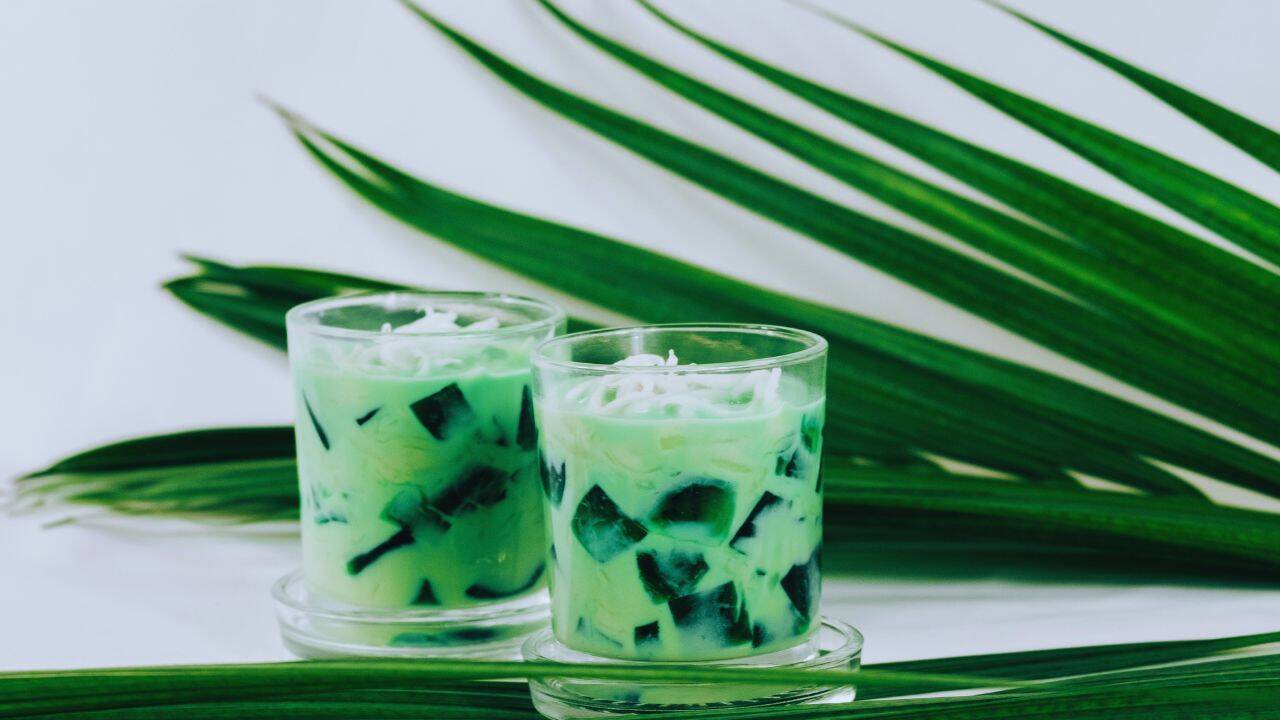
Pandan leaves, the “vanilla of the East,” are quietly revolutionizing Indian desserts with their creamy, jasmine-like aroma. Native to Southeast Asia, these emerald blades infuse milk, syrups, and batters—think pandan kheer with cardamom, green-tinted rasmalai, or coconut-layered sponge cakes. Chefs in Kerala and urban bakeries bruise and steep them for subtle perfume, blending seamlessly with jaggery and khoya, sans artificial dyes. No gimmick, pandan echoes India’s love for botanical sweetness, poised to become a freezer staple amid fusion trends. They are also added to rice to give a basmati like flavour
Read full article: The vanilla-scented leaf quietly entering Indian desserts
Disclaimer
Views expressed above are the author’s own.
END OF ARTICLE