
Bharat Ratna to Ashoka Chakra: A look at India’s most prestigious awards
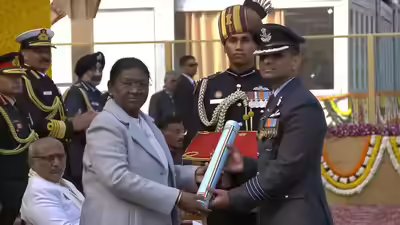
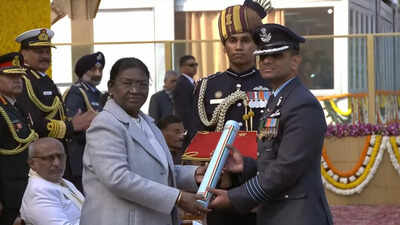
As India unveils its national flag on this Republic Day, the entire country celebrates not only the moment when it adopted its Constitution but also salutes the people whose outstanding contributions have been the country’s driving force. The system of honours in India recognizes achievement, bravery, and commitment, thus reflecting the fundamental values of the nation through awards in areas ranging from arts and sciences to defence and public service.Nowadays, it is a must for candidates who are getting ready for various competitive exams, such as banking, civil services, etc., to know these awards and the great personalities who have been awarded them.
Understanding awards: A recognition of merit
An award is more than a ceremonial honour, it is a testament to achievement, excellence, and service. Whether in literature, science, social work, or military bravery, awards acknowledge those who have gone above and beyond in their fields, setting benchmarks for others to aspire to.
India’s prestigious awards: Categories and significance
India’s honours are broadly classified into civilian, military, literature, arts, and sports awards. Some of the most notable include:
Bharat Ratna (1954) – Civilian- Padma Vibhushan (1954) – Civilian
- Padma Bhushan (1954) – Civilian
- Padma Shri (1954) – Civilian
- Param Vir Chakra (1950) – Military
- Ashoka Chakra (1952) – Military
- Shaurya Chakra (1952) – Military
- Vir Chakra (1947) – Military
- Dadasaheb Phalke Award (1969) – Film
- Arjuna Award (1961) – Sports
- Rajiv Gandhi Khel Ratna Award (1991) – Sports
- Sahitya Akademi Award (1954) – Literature
- Jnanpith Award (1961) – Literature
These honours are more than symbols; they are milestones of excellence, reflecting India’s commitment to celebrating talent and service across generations.
Civilian Honours: Recognising exceptional service
Bharat Ratna: India’s top civilian award, the Bharat Ratna, is given to exceptional individuals who have made outstanding contributions in the fields of arts, science, public service, and social work. Among the great names who have been honoured with this award are C. V. Raman for his pioneering scientific work, Mother Teresa after receiving the Nobel Peace Prize, Amartya Sen following the Nobel Award in Economics, Bhimsen Joshi for his musical talent, and the industrialist JRD Tata.Padma Vibhushan: The country’s second-highest civilian award, which was established in 1954, is given for exceptional and distinguished service in any field, thus going beyond the limits of social, religious, and professional distinctions. The awardees include scientists, doctors, and eminent personalities of various disciplines who have been recognized as the architects of India’s progress.Padma Bhushan: The Padma Bhushan, which is given for distinguished service of a high order, is a recognition of those individuals whose extraordinary accomplishments have significantly influenced the nation.Padma Shri: The fourth-highest civilian award in India, the Padma Shri, is given to the recipients on the occasion of Republic Day every year to those who have done remarkable work in the fields of literature, art, education, medicine, industry, social work, or sports.
Military and Gallantry awards: Honouring bravery
Param Vir Chakra: Established in 1950, this is India’s most prestigious wartime gallantry award. Often compared with the US Medal of Honour and the UK Victoria Cross, it recognises acts of supreme courage, valour, and self-sacrifice in the face of the enemy.Ashoka Chakra: Instituted in 1952, this is the highest peacetime military honour, awarded for extraordinary bravery and selflessness beyond the battlefield.Mahavir Chakra: As a recognition of outstanding courage and unflinching devotion to duty, Mahavir Chakra is the second-highest wartime gallantry award. Significantly, several Indian Air Force officers were awarded these honours for their acts of bravery during the Indo-Pakistan War of 1971.