AI as a healthcare companion in rural India
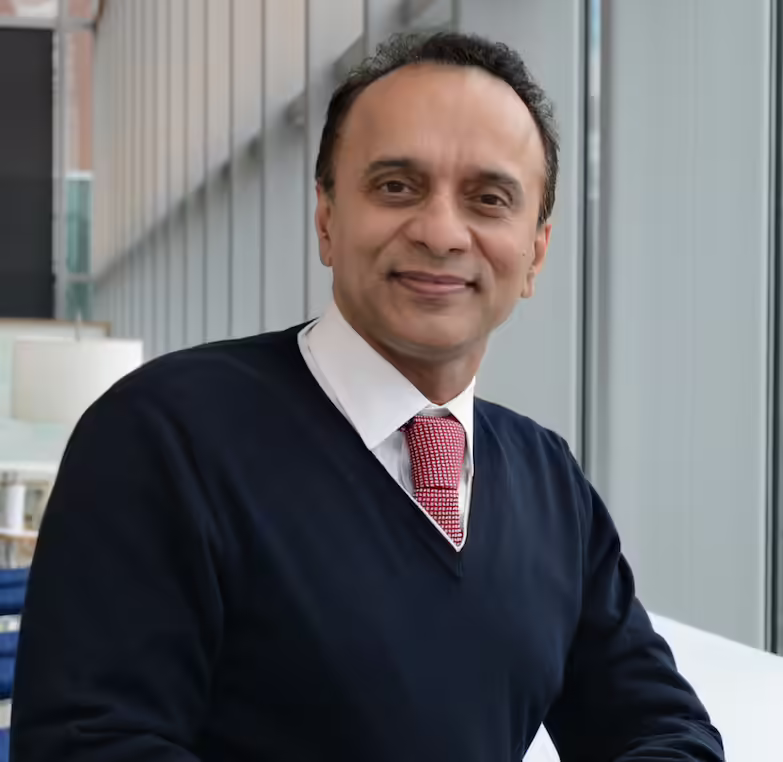
TOI chats with Dr. Prateek Sharma, President of the American Society for Gastrointestinal Endoscopy and Chair of the AI Institute in USA. Here are the top 5 Q&A.
1) What is “AI in healthcare,” and how can it help people in rural India?
We should consider AI as a tool or software that can find patterns in health information and support clinical decision making. In rural India, it can help health workers and doctors by flagging important symptoms, identifying who may need urgent care, and suggesting standardized next steps based on simple protocols. The goal is to make delivery of healthcare more consistent and timely, especially in areas where doctors and specialists are limited – however, remember that the doctor and their team is responsible for final decision making. This is all in line with the IndiaAI Mission, a national effort to strengthen the AI ecosystem—so that practical AI tools (including for healthcare) can be built and used at scale.
2) Can AI improve access to care and specialists?
AI can support rural health by improving triage at the village level and by making telemedicine visits more effective. For example, a health care worker can collect patient history, blood pressure/heart rate, and images (like a skin rash or an eye photo) and the platform can help with summarizing the patient details, and flag warning signs, for a doctor that can be remotely located. In addition, AI chatbots on phone apps can provide basic health information, answer simple questions (for example about fever, pregnancy, diabetes and blood pressure), and send reminders for medications, vaccines, and follow-up visits. All this can happen today! In the future, once patient history, blood work, x rays etc are available on the platform, the AI chatbots can provide more personalized suggestions to the patients.
3) Which diseases or screenings are most practical for AI in the rural setting?
We should remember that AI is most useful when it works with simple tests and clear follow-up pathways. A few practical examples include screening for diabetic eye disease using retinal photos, TB screening from chest X-rays, and flagging those patients who are high risk for common diseases such as high blood pressure, lung diseases and diabetes by using basic measurements. This way AI can can identify people at higher risk who should be prioritized for screening and follow-up, but this type of screening will only be helpful if further testing, follow up and treatment are available. I feel that smartphones will be the “front door” for care because they combine camera, microphone, messaging, and connectivity. This will allow image-based management (for example, skin rash, wounds, or eye photos), help data capture (vitals and symptoms), and quick referrals with basic patient records. For phone apps, the key is to have them in the local language which will make chatbots more usable for people who are not comfortable in English.
4) What are the main risks and challenges of using AI in rural healthcare?
I would say that the main risks are- wrong advice, privacy, and trust. Other challenges are technical such as connectivity, power supply, device maintenance, and staff training – all these factors can affect performance. AI can be wrong—especially if it was built using data from different populations—so it must be tested locally and monitored over time. Another risk is workflow burden: if AI adds extra steps or documentation without clear benefit, it will not be used in a consistent manner. Finally, we need to emphasize responsibility: AI can help in diagnosis and decision making, but the clinical accountability must remain with doctors and the health system.
5) What should the public expect from AI in rural health, and how do we know if it is working?
We are now talking about ‘Good AI’ which should be simple to use, available in local languages, and clearly state when it is giving general education versus when a clinician has reviewed the case. At the system level, success should be measured by important patient outcomes such as early disease detection, faster referrals, better follow-up, and improvement in the overall control and treatment of diseases.
Disclaimer
Views expressed above are the author’s own.
END OF ARTICLE