
How to grow dill indoors: Simple tips for a steady supply of fresh herbs |
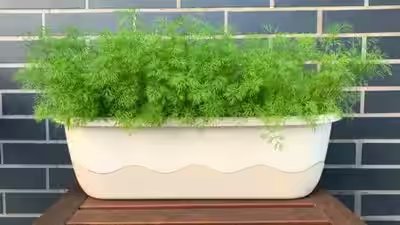
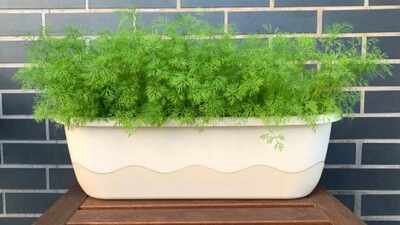
There’s something a little frustrating about buying a whole bunch of dill for one recipe, using barely a third of it, and watching the rest wilt away in the fridge before you get the chance to use it again. Growing your own dill indoors solves that problem neatly, giving you exactly as much as you need, whenever you need it, without the waste or the extra trip to the store. It’s also a genuinely forgiving herb to grow once you understand what it actually wants, so here’s a simple guide to keeping a steady supply going right on your windowsill.
Choosing the right pot and spot
Dill has a taproot that grows fairly deep for a herb, which means a shallow pot tends to hold it back more than people expect. A container at least 20 to 25 centimetres deep gives the roots enough room to develop properly, and good drainage holes are non-negotiable, since dill genuinely dislikes sitting in soggy soil. As for placement, a spot that gets around six hours of sunlight a day works best, a south or east-facing windowsill is usually the sweet spot, though if your home doesn’t get that much natural light, a basic grow light can fill in the gaps without much fuss.
Starting from seed rather than a cutting
Unlike herbs like mint or basil that root easily from cuttings, dill really needs to be grown from seed, since it doesn’t transplant or propagate from stem cuttings particularly well. So sow the seeds directly into their final pot rather than starting them elsewhere and moving them later, since dill’s taproot doesn’t love being disturbed once it’s established. Scatter the seeds lightly over moist soil, cover them with just a thin layer, barely a few millimetres, and keep the soil consistently damp until germination, which usually takes around 10 to 14 days.
Getting the watering balance right
Dill likes soil that stays lightly moist, not drenched, and not bone dry either, and getting that balance right makes a real difference to how well it grows. Checking the top inch of soil with a finger before watering is a far more reliable method than watering on a fixed schedule, since indoor conditions can vary a lot depending on the season and how much heating or air conditioning is running. Overwatering tends to show up as yellowing leaves or a slightly mushy stem, while underwatering usually causes the plant to look limp and a little sad rather than crisp and upright.
Feeding it without overdoing it
Dill isn’t a particularly hungry plant, and feeding it too aggressively can actually work against you, since excess nitrogen tends to push the plant toward rapid, leggy growth rather than the fuller, bushier shape most people actually want. A diluted liquid fertiliser once every three to four weeks during active growth is generally plenty. If you notice the plant growing tall and thin very quickly, easing off on feeding, along with making sure it’s getting enough light, usually helps bring it back to a sturdier shape.
Harvesting without stunting the plant
The trick to keeping a steady, ongoing supply of dill is harvesting it the right way rather than just pulling off whatever looks ready. Snipping the outer, older fronds first, rather than cutting straight from the centre, encourages the plant to keep producing fresh growth from the middle. Try not to take more than about a third of the plant at any one time, since removing too much at once can stress it and slow down regrowth considerably. Regular, light harvesting, rather than occasional big cuts, tends to keep the plant fuller and more productive over the long run.
Dealing with dill’s tendency to bolt
One of the trickier things about growing dill, especially indoors where temperatures can swing depending on the season, is its tendency to bolt, meaning it rushes to flower and produce seeds, after which the leaves turn bitter and the plant’s usefulness drops sharply. Keeping the plant in slightly cooler conditions and harvesting regularly can help delay this. If you do notice flower buds starting to form, snipping them off promptly can buy you a bit more time before the plant fully commits to bolting.
Common problems and quick fixes
Dill growing indoors can occasionally attract aphids, particularly if the air around it stays a little too still and warm, and a light spray of diluted neem oil usually keeps that under control without much fuss. Leggy, weak-looking growth almost always points back to insufficient light, so before troubleshooting anything else, it’s worth checking whether the plant’s actually getting enough hours of proper sun or supplemental light each day. And if growth seems to have stalled altogether, checking the pot size is worth doing too, since a dill plant that’s outgrown its container often just sits there sulking until it’s given more room.Disclaimer: This article is intended for general gardening guidance only. Actual growing conditions, timelines, and results can vary based on indoor light levels, temperature, humidity, and the specific dill variety grown. For persistent plant health issues, consult a local nursery or horticulture expert.