
In 2017, Australian engineers sealed cigarette butts inside asphalt; the road mix handled heavy traffic and conducted less heat, offering a possible urban-heat fix |
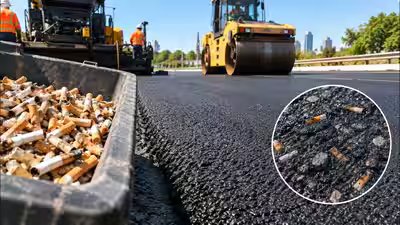
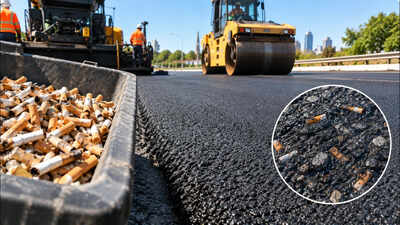
Every year, discarded cigarette butts accumulate in enormous numbers on streets, pavements and in waterways, where their plastic filters can persist for years and release trapped chemicals. In 2017, engineers at RMIT University in Melbourne proposed an unusual way to deal with at least part of this waste: lock the cigarette butts inside asphalt and turn them into a road-building material.According to RMIT University, researchers led by Dr Abbas Mohajerani developed a process in which cigarette butts were encapsulated with bitumen or paraffin wax before being incorporated into asphalt concrete. The treatment was designed to prevent chemicals contained in the filters from leaching out of the finished material. Laboratory testing showed that asphalt containing suitable quantities of encapsulated cigarette butts could meet requirements for roads carrying heavy traffic, while also having lower thermal conductivity than conventional asphalt.From litter to road materialCigarette butts are mostly made of cellulose acetate, a type of plastic that does not break down easily. Used filters can also hold nicotine, heavy metals and other chemical residues left behind by tobacco and cigarette smoke. To deal with this, researchers at RMIT University tested a way of sealing the cigarette butts before using them in asphalt. They coated the filters with bitumen or paraffin wax, creating a barrier that could help limit the release of these substances when the material came into contact with water or other fluids.To examine how encapsulated cigarette butts affected asphalt concrete, the authors tested different amounts and types of treated butts. The asphalt mixture with 10 kg and 15 kg of bitumen-encapsulated cigarette butts per cubic metre met the study’s requirements for light, medium and heavy traffic loads. However, paraffin-encapsulated material was suitable only for light traffic loads.This distinction is important because the experiment did not establish that any asphalt containing cigarette butts would automatically be suitable for heavy-duty roads. Performance depended on the encapsulation material and the quantity incorporated into the mix. The findings were published in Construction and Building Materials, where researchers also reported that the encapsulated butts reduced the bulk density of the asphalt and increased its porosity. These changes helped lower its thermal conductivity, but they also represent changes to the physical properties of the asphalt that need to be considered when assessing its long-term performance, particularly under heavier traffic and moisture exposure.Could it help tackle urban heat?The thermal findings suggested a second possible use for the discarded filters beyond waste management. Conventional asphalt can absorb and retain substantial amounts of solar heat, contributing to higher temperatures in built-up areas. This is one component of the urban heat island effect, in which developed areas can become warmer than surrounding less urbanised locations. According to research published in the Journal of Environmental Management, the thermal properties of asphalt concrete are an important consideration when examining ways to mitigate the urban heat island effect. The study reviewed how asphalt’s ability to absorb, store and transfer heat contributes to urban temperatures and examined approaches for reducing those impacts.
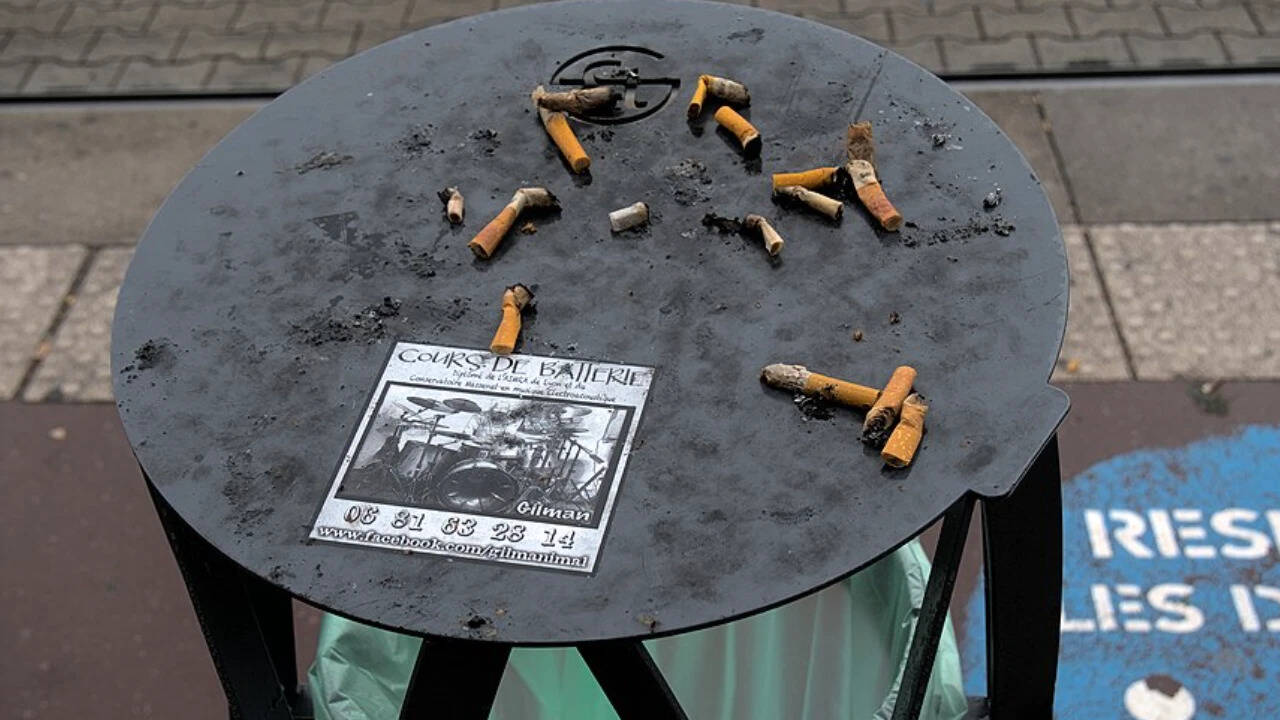
The Australian study showed that cigarette butts could be recycled in asphalt without harming its load-bearing performance, provided the mix was properly prepared. Image Credits: Wikimedia Commons.
An idea with environmental hurdlesThe Australian study showed that cigarette butts could be recycled in asphalt without harming its load-bearing performance, provided the mix was properly prepared. Furthermore, the test offered a way to dispose of a troublesome waste stream. But still, it is a material recycling process, and not a remedy for the problem of cigarette butts pollution. First of all, the filters have to be collected, transported, and encapsulated to be incorporated into the asphalt pavement. It is also very important to conduct a careful study of their environmental performance.However, the study’s importance lies not in the image of roads made from cigarette butts, but in the engineering logic behind the idea. A problematic waste material can, under certain controlled conditions, serve as an ingredient of the infrastructure. The path from roadside litter to road-building material may seem improbable, especially in the case of cigarette butts. However, Australian scientists showed that the idea is feasible in laboratory testing.