
Health Benefits Of Almonds: Almonds are healthy, but are you eating them the right way? Doctor calls excess dry fruits a “decorated calorie bomb”; so what is the right portion?
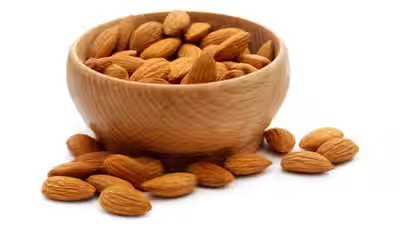
A bowl of almonds rarely looks like a food you need to be careful with. They are associated with school mornings, healthy snacking and the familiar advice to “eat a few every day”. But there is one problem with that innocent-looking bowl: it is very easy to keep reaching for more.That is exactly what Dr Anshuman Kaushal, robotic, laparoscopic and bariatric surgeon, pointed out in a recent Instagram post. He called the habit of mindlessly snacking on dry fruits a “decorated calorie bomb”: a striking reminder that a food can be nutritious and still contribute a significant amount of calories when eaten in large quantities.So, should you stop eating almonds? Not at all. The more useful question is: how many should you eat, do they really need to be soaked and should you remove the skin?
Start with the portion, not the soaking
Dr Kaushal’s practical guide puts almonds at 5–7 a day, alongside two whole walnuts and a teaspoon of chia or flax seeds. His larger point is portion control: the “healthy” label should not become permission to eat unlimited amounts.Many nutritionists also recommend 20–30 grams of nuts and seeds a day, with 4–5 soaked almonds and 1–2 walnuts fitting into that amount.These numbers are not a universal prescription for everyone. Your overall diet, calorie needs, activity level and health conditions matter. But both pieces of advice point to the same easily missed detail: almonds are meant to be a small part of the diet, not an unlimited snack.And that is where Dr Kaushal’s “decorated calorie bomb” description becomes useful. The problem isn’t that almonds suddenly become unhealthy. It is that a food perceived as healthy can make people stop noticing portion size. He also warns about honey-roasted almonds and flavoured trail mixes, which can come with added sugar and make overeating even easier.
But do almonds have to be soaked?
This is where the traditional morning ritual gets interesting.Soaking almonds overnight softens them and loosens the skin. Dietitian Lavleen Kaur has explained that the process changes the texture and may reduce some phytic acid, a compound that can bind certain minerals.But that does not mean an unsoaked almond is somehow a bad almond.Dr Priyanka Sehrawat, an AIIMS-trained neurologist, addressed the question in an Instagram video in January 2026. She said the brown skin of almonds is not toxic, and people do not have to soak and peel nuts because the skin is dangerous. She explained that soaking may affect phytic acid and nutrient absorption, but eating almonds without soaking them is also safe.That distinction matters because many people have turned soaking into a strict rule.If you enjoy soaked almonds, there is no reason to stop. If you prefer them plain and unsoaked, you are not doing something wrong.
And when should you eat them?
The internet is full of rules about eating almonds first thing in the morning, on an empty stomach or before breakfast.But that advice comes from a specific dietary context and should not be turned into a universal rule that everyone must eat almonds on an empty stomach.There is no need to obsess over the clock.What matters more is the total amount you eat during the day and what the almonds are replacing. A small portion of plain almonds as part of a balanced diet is very different from repeatedly grabbing handfuls because they have a “healthy” reputation.
The bigger mistake may not be the almond at all
The most useful takeaway from these different expert views is surprisingly simple.You don’t need a complicated almond ritual.You can soak them if you like the softer texture. You can eat them with the skin. You can eat them plain and unsoaked. And you can include them as part of breakfast or another meal rather than worrying about a magical time of day.But portion size deserves more attention than most people give it.That’s why Dr Kaushal’s “decorated calorie bomb” description works as a warning. Almonds contain useful nutrients, including vitamin E, magnesium, fibre, protein and unsaturated fats. But being nutrient-rich does not make them calorie-free.