In 1995, strange marks appeared in a photograph of an English estate; 31 years later, archaeologists say they may have uncovered the foundations of a lost 18th-century building
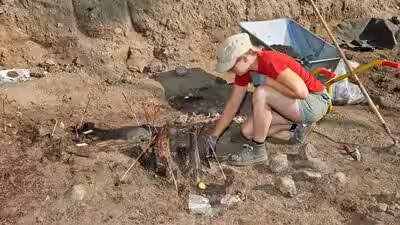
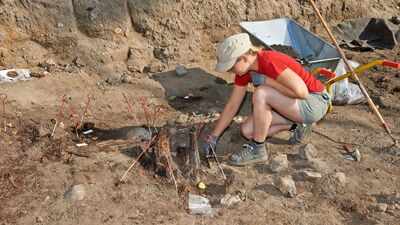
In the summer of 1995, an unusual photograph of Temple Newsam, a historic estate in Leeds, England, captured strange marks across the grass. To Mike Turpin and other local archaeology enthusiasts, the patterns looked like they could reveal foundations hidden beneath the lawn. More than three decades later, their suspicion has gained support. According to Discover Magazine, members of South Leeds Archaeology excavated the site and uncovered foundations belonging to an outbuilding that may be more than 280 years old. The discovery could also help solve a mystery in an 18th-century painting, which appears to show a building once thought to have existed only as part of an unfinished renovation plan. The excavation has not answered every question, but it has brought a forgotten piece of Temple Newsam’s history back into view.Clues hidden in the grassThe story began with an image rather than a shovel.During the hot summer of 1995, Mike Turpin noticed unusual marks on the lawns of Temple Newsam. The patterns were not immediately dramatic. There were no standing walls or obvious ruins, only variations in the grass that suggested something might be buried underneath.For archaeologists, such changes can be important. Buried walls and foundations may affect how grass grows above them. Differences in soil depth, moisture and drainage can create visible marks from the air or at ground level, especially during dry weather.Turpin and other archaeology enthusiasts believed the marks could represent the remains of a building. The idea remained a possibility for years, waiting for the right opportunity and a team willing to investigate it.That opportunity came when members of South Leeds Archaeology began fieldwork at the historic estate. After months of planning and excavation, they opened several trenches across the area where the marks had appeared.Beneath the grass, they found foundations belonging to an outbuilding that appears to date back more than 280 years. The discovery suggested that the photograph had captured a real archaeological feature rather than a random pattern in the lawn.
Do you believe that unusual patterns in grass can lead to important archaeological discoveries?
3k+ users shared opinion today
5k+ users already voted today
3k+ users shared opinion today
Temple Newsam’s forgotten structureThe excavated foundations have raised questions about a building that seems to have disappeared from the visible landscape.The remains may connect to a building shown in a painting dating from around 1750. In the artwork, the structure appears beside an existing stable block. For a long time, historians believed the painting showed renovations that were proposed but never completed.The newly uncovered foundations create another possibility. The artist may have painted a building that had actually been constructed.The relationship between the foundations and the structure in the painting is not yet certain. The archaeological team has not determined precisely what the building was used for, how much of it was completed or whether it served the same purpose as the existing stable block.However, the similarities are enough to make the discovery significant. Archaeology often works by bringing together different kinds of evidence, including written records, paintings, maps, photographs, soil marks and physical remains.In this case, a 1995 photograph led researchers towards foundations, while an 18th-century painting provided a possible visual record of the building’s appearance.Excavation brings the evidence to lightJim Jackson and Phil Jones led the fieldwork for South Leeds Archaeology. The group meets monthly in nearby Rothwell and includes volunteers with an interest in investigating the region’s past.The team dug a series of trenches to test whether the suspected building was beneath the lawn. Excavation allowed them to examine the soil layers and identify the stones and other features that formed the structure’s foundations.Finding foundations does not automatically reveal the entire history of a building. Archaeologists must determine the shape and extent of the remains, establish when they were built and compare them with historical records.They also need to consider whether a structure was completed, altered or demolished in stages. Buildings on large estates were often changed as owners updated their homes, redesigned gardens or adapted spaces for new uses.The excavated remains may represent only part of the building. Further work could show whether the structure matched the one in the painting or whether it belonged to a different phase of development.South Leeds Archaeology hopes to return to the estate for another season of digging. A future excavation could expose more of the foundations and provide clues about the building’s function.A landscape shaped many timesTemple Newsam’s grounds have not remained unchanged throughout history. The estate has been remodelled and landscaped repeatedly, leaving behind layers from different periods.The archaeology team also uncovered what appears to be a lost road or carriageway north of the main house. Such routes can reveal how people moved through the estate and how its buildings and gardens were connected.Other discoveries included fragments of a fruit bowl dating to the 1500s and pieces of window glass from the 1700s. Animal bones and oyster shells were found near the former kitchens, providing small details about food and household life.These objects may not seem as dramatic as a buried building, but they help archaeologists reconstruct how people lived. A broken dish can show what kind of tableware was used. Window glass can indicate how a building was constructed or improved. Animal bones and oyster shells can reveal the foods prepared and consumed by residents and staff.Together, the finds show that Temple Newsam is not a single historical site with one story. It is a landscape shaped by many generations, each leaving traces behind.Evidence from thousands of yearsThe excavation uncovered objects far older than the estate’s historic house.Among the discoveries was an arrowhead that could be up to 5,000 years old. If confirmed, it would predate Temple Newsam House by thousands of years and demonstrate that people used the land long before the present estate was built.The arrowhead offers a glimpse of prehistoric activity in the area. It does not necessarily mean there was a permanent settlement at the exact excavation site, but it suggests that people travelled through or used the landscape during a much earlier period.Finding prehistoric material alongside remains from the 16th, 17th, 18th and 20th centuries illustrates the depth of the site’s history. Archaeologists working at historic estates often discover that the visible house is only one chapter in a much longer story.The land may have served different purposes over time, including farming, travel, settlement, recreation and domestic activity.Recent history beneath the soilNot every discovery at Temple Newsam was centuries old.The team recovered leftovers connected to a music festival held on the grounds during the 1990s. Those objects belong to a period that some visitors may remember personally.Their presence shows how quickly archaeological layers can accumulate. A modern event can leave behind material that future researchers may use to understand how people gathered, entertained themselves and used the estate.For the volunteers, the recent remains added another surprise to the excavation. The site had not stopped producing evidence when the 18th-century building was demolished. It continued to record new activities as the estate remained part of public life.Archaeology is often associated with distant history, but the discipline can examine material from the recent past as well. Objects do not need to be ancient to reveal how a place changed.Temple Newsam’s long historyTemple Newsam House has stood for more than 500 years. One of its former residents was Lord Darnley, the husband of Mary, Queen of Scots.The estate is now open to visitors, who come to explore the house, gardens and lake. Home Farm, which includes rare-breed animals, is also part of the visitor experience.The continued public use of the estate has helped connect present-day visitors with its history. People walking through the grounds may see carefully maintained gardens and open lawns, but beneath those surfaces are foundations, roads and objects from earlier periods.The recent excavation gave visitors an opportunity to see that hidden history being investigated. Some people stopped to ask the archaeologists what they had found and whether the dig had uncovered treasure, Roman remains or even dinosaur bones.The team did not find gold or dinosaur fossils, but the foundations provided something more valuable to researchers. They offered evidence that could change the interpretation of a historical painting and restore a forgotten building to the estate’s story.More questions remainThe discovery has answered one question raised by the photograph, but it has opened several others.What was the building used for? Was it fully completed? Did it resemble the structure shown in the 1750 painting? How did it relate to the main house, the stable block and the lost carriageway?Archaeologists may be able to answer some of these questions through further excavation. Historical documents, estate maps and building accounts could also help clarify the structure’s purpose.The foundations may reveal the building’s size and layout. Materials recovered from the site could help date its construction and demolition. The position of the structure may show how it fitted into the wider design of the estate.For now, researchers are cautious. They have found strong evidence of an outbuilding, but they have not yet proved every connection with the painting.That uncertainty is part of what makes the discovery compelling. Rather than closing the story, the excavation gives historians a new starting point.A photograph that waited for an answerThe rediscovery at Temple Newsam demonstrates how small clues can survive for decades before they are fully understood.In 1995, the marks in the photograph offered only a suggestion. Thirty-one years later, excavation has shown that the suspicion was grounded in something real. Foundations more than 280 years old were waiting beneath the grass.The building itself may never be reconstructed, and its exact function may remain uncertain. Yet the evidence has already changed how researchers view the estate’s past.The 18th-century painting may depict more than a proposed renovation. It may show a building that once stood beside Temple Newsam’s other structures before being altered or lost.Future work could reveal how much of the painted building was actually built and how the estate developed around it. For now, the foundations have returned a missing piece of history to the surface.A strange pattern in a 1995 photograph led archaeologists to a buried structure. What began as a hunch has become a carefully excavated clue, connecting modern observation, historic art and centuries of life beneath an English estate.