
This aluminium foil hack is used by bakers to make their bread last a week longer and maintain its softness and moisture
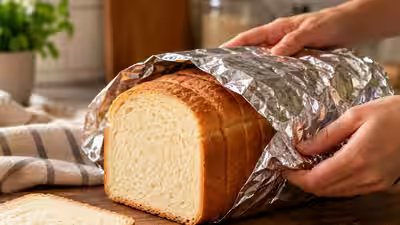
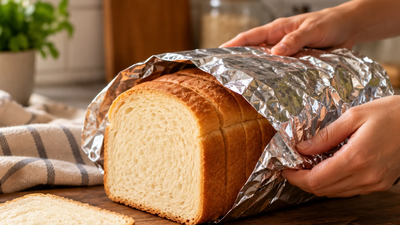
Few things are more disappointing than reaching for a loaf of bread only to find that it has become dry, hard or slightly stale. Whether it is homemade bread, sourdough or a store-bought loaf, keeping it soft for several days can be tricky. One simple kitchen trick involves something most households already have in the drawer: aluminium foil. The idea is straightforward. Instead of leaving bread exposed to air, bakers and home cooks can use foil as an additional barrier around the loaf or individual portions. Done correctly, it can help slow moisture loss and keep the bread’s texture pleasant for longer. However, there is an important catch: foil is not a magic solution for making every loaf last an entire week. How well it works depends on the type of bread and how it is stored. Scroll down to read more…
Why does bread become hard?
Bread starts losing its freshness almost as soon as it cools after baking. One part of staling involves moisture moving between different parts of the bread. At the same time, the starch in the crumb gradually changes structure through a process known as starch retrogradation. This can make the crumb feel firmer and less soft even when the bread has not lost all of its moisture. Exposure to air can make the problem more noticeable, particularly when bread is not properly wrapped. That is where good packaging becomes useful.
How does the aluminium foil trick work?
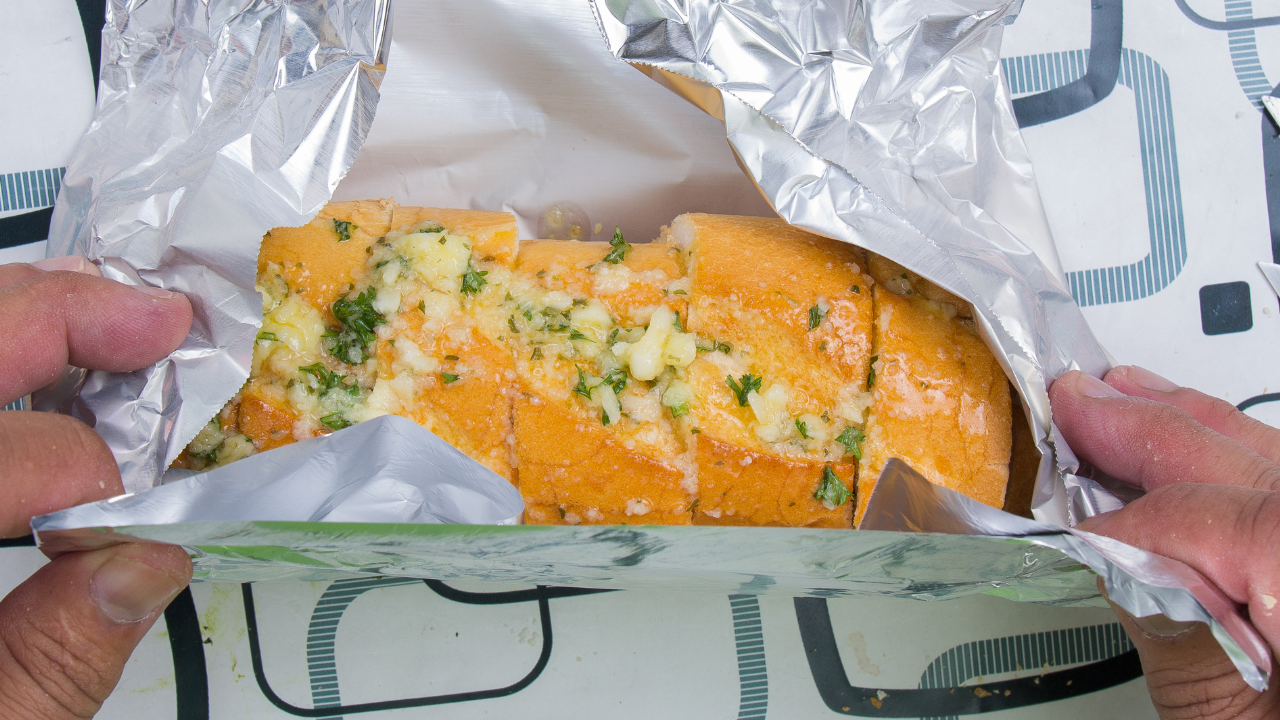
If you have a loaf of bread that you want to keep fresh, first allow it to cool completely if it has been freshly baked. Wrapping warm bread tightly can trap steam and create condensation, which can encourage mould growth. Once the bread has cooled, wrap the loaf or individual portions snugly in aluminium foil, making sure there are no large gaps where air can easily enter.
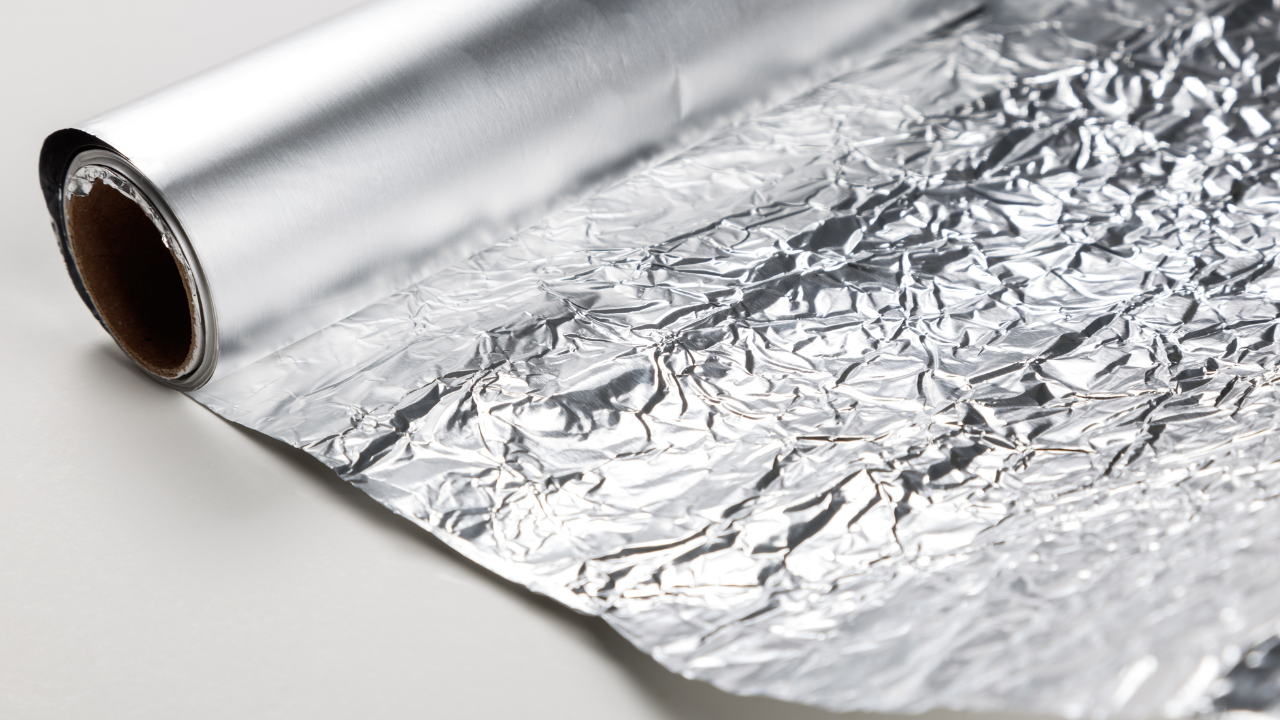
For sliced bread, wrapping individual portions can be particularly convenient because you can remove only what you need while keeping the rest protected. The foil essentially acts as a barrier against the surrounding environment, helping reduce moisture exchange and exposure to air.
Should you wrap the bread directly in foil?
For longer storage, it can be useful to first place the bread in a suitable food-safe bag or airtight container and use foil as an additional protective layer. The goal is not simply to cover the bread with shiny foil. It is to minimise unnecessary exposure to air while protecting the bread from drying out. For homemade bread, a reusable airtight bread container or properly sealed food bag can work just as well for short-term storage.
Can this really make bread last a week longer?
Aluminium foil can help slow moisture loss and protect bread from drying out, but it does not guarantee an extra seven days of freshness. How long bread lasts depends on the type of bread and how it is stored. A soft sandwich loaf, crusty sourdough and enriched brioche all age differently. Storage conditions also make a major difference: warm, humid environments encourage mould growth, while very dry conditions can cause bread to lose moisture and become stale more quickly. Foil can help maintain texture, but it cannot stop mould once spores are present and conditions allow them to grow.
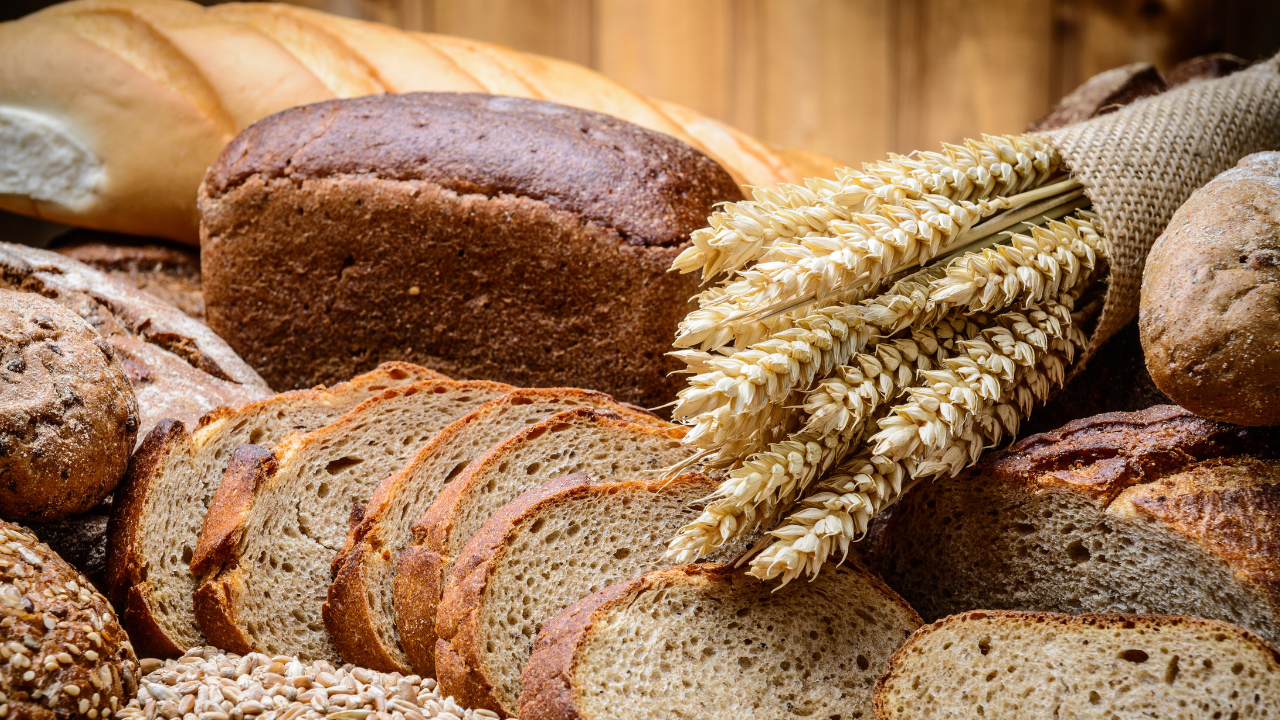
If you spot mould anywhere on sliced bread, discard the entire loaf rather than cutting away the affected section. Because bread is porous, mould can spread below the surface even when only a small patch is visible.
What about storing bread in the fridge?
The refrigerator may seem like the obvious place to keep bread fresh, but it is not always ideal for maintaining a soft texture. Refrigeration can accelerate some of the changes associated with bread staling, causing bread to become firm more quickly.
For bread you plan to eat within a few days, keeping it well wrapped at room temperature is often preferable, provided the environment is suitable and the bread is protected from moisture. For longer storage, freezing is generally a better option. Wrap the bread well, ideally in an airtight freezer-safe bag or packaging, and thaw only the portion you need.
A simple storage routine
For the best results, let freshly baked bread cool completely before wrapping it. Keep the loaf tightly sealed, store it away from direct sunlight and heat, and avoid repeatedly opening and exposing the entire loaf to air. If you know you will not finish the bread within a few days, slice it before freezing. You can then take out individual slices whenever you need them.The aluminium foil trick can certainly help protect bread from drying out, but the real secret is limiting exposure to air and choosing the right storage method for how quickly you plan to eat it. Sometimes, the simplest kitchen habits make the biggest difference to how long a loaf stays enjoyable.