Some body parts barely heal: Why the heart, brain, spinal cord and cartilage are among the hardest tissues to repair, while the liver can regenerate
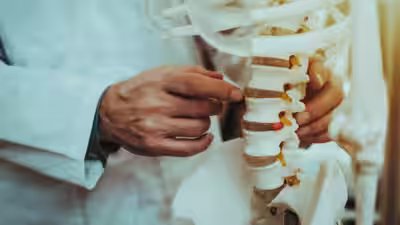
Imagine an organ losing a piece of itself and then rebuilding enough tissue to return to its normal size. The liver can do it. Now imagine the opposite: a heart attack destroys heart muscle, but the damaged area may heal with scar tissue rather than new, fully functioning muscle. The brain, spinal cord and cartilage face their own regeneration barriers. Why can some parts of the human body repair themselves while others struggle to replace even damaged cells?The answer lies partly in something as basic as blood supply, cell renewal and the architecture of the tissue.“The human body is capable of healing itself and repairing tissues. However, not all types of tissues repair themselves with the same speed,” said Dr Satyendra Katewa, Senior Director – Hemato-Oncology & Bone Marrow Transplant, Paediatric Oncology, Max Super Speciality Hospital, Patparganj.Some tissues have cells that can readily divide and replace damaged ones. Others contain highly specialised cells with limited regenerative ability, or lack the blood vessels needed to deliver oxygen, nutrients and repair signals.Heart: When healing can leave a scarThe heart may be one of the clearest examples of the body’s limits.During a heart attack, blocked blood flow deprives part of the heart muscle of oxygen. If heart muscle cells die, the adult human heart has a limited ability to replace them with new functioning cardiomyocytes. Instead, the injured area can develop fibrous scar tissue.A recent review of cardiac regeneration describes the human heart’s regenerative capacity as limited and notes that the loss of cardiomyocytes after a heart attack remains a major barrier to restoring damaged heart muscle.Dr Jayanta Thakuria, Senior Director – Internal Medicine, Yatharth Super Speciality Hospital, Sector 88, Faridabad, explained that after a heart attack, heart muscle cells may be replaced largely by scar tissue rather than healthy muscle tissue.“That can lead to permanent damage to the ability of the heart to pump blood,” he said.This does not mean the heart cannot recover at all. Treatment, rehabilitation and medicines can help protect remaining heart muscle and improve cardiac function. But replacing large areas of lost heart muscle remains a major challenge.Brain and spinal cord: Why nerve damage can be so difficultThe brain and spinal cord present another problem: neurons and their long connections do not readily regenerate after major injury.The National Institute of Neurological Disorders and Stroke says spinal cord research is focused on neuroprotection, repair and regeneration, cell-based therapies and neuroplasticity. Neuroplasticity is particularly important because the nervous system can sometimes reorganise connections and help restore function even when damaged neurons themselves do not fully regenerate.Research has also shown why spinal cord injuries can have lasting consequences. Adult spinal cord nerve cells generally do not regrow effectively after damage, although scientists are investigating ways to stimulate axon regeneration.“Neurons have very limited ability to regenerate which makes their injury likely to cause lasting problems,” Dr Katewa said.That is also why recovery after a brain or spinal cord injury is not necessarily synonymous with tissue regeneration. Rehabilitation can help the nervous system adapt and create new pathways, even when the original damaged pathways cannot simply grow back.Cartilage: The tissue with almost no blood supplyThen there is cartilage, the smooth tissue that cushions joints and helps bones move against one another.One reason cartilage injuries can be so stubborn is surprisingly simple: cartilage is avascular, meaning it does not contain the normal network of blood vessels found in many other tissues. Nutrients reach cartilage largely through diffusion.That makes repair considerably more difficult.Research on articular cartilage notes that its lack of blood vessels limits the delivery of nutrients and repair-related molecules, contributing to its poor regenerative capacity.“Certain types of cartilage have a poor healing ability owing to the insufficient blood supply to their tissues,” Dr Katewa said. “Hence, the cartilage damage heals very slowly and may sometimes lead to ongoing issues in the respective body parts.”This is one reason cartilage damage associated with conditions such as osteoarthritis can become a long-term problem.The surprising exception: The liverThe human body, however, is not uniformly bad at regeneration.The liver is an extraordinary exception.The US National Institutes of Health notes that the liver can regenerate after significant injury and can restore lost mass and function. Research cited by NIH says the liver can regrow to normal size even after up to 90% has been removed, although the extent of functional recovery depends on the circumstances.This ability is also why living-donor liver transplantation is possible. A portion of a healthy donor’s liver can be removed, and both the donor’s remaining liver and the transplanted portion can grow toward normal size.But even the liver has limits.“Severe injuries can result in permanent tissue damage,” Dr Thakuria said.Chronic diseases, including advanced liver disease, can overwhelm the organ’s regenerative capacity.What about bone marrow?Bone marrow offers another unusual example because its ability to continually produce blood cells can be restored under the right circumstances.Dr Katewa pointed out that bone marrow has a “unique ability to heal itself” and that bone marrow or stem cell transplantation can restore blood-cell production after chemotherapy. Recovery, however, depends on factors such as the patient’s overall health and the underlying disease.This is different from simply regrowing a damaged organ. Bone marrow contains blood-forming stem and progenitor cells that continuously replenish cells that naturally have limited lifespans.Why prevention mattersThe difference between tissues that regenerate readily and those that do not makes prevention particularly important.“If some tissues are difficult to heal, it does not mean that the treatment cannot be performed,” Dr Katewa said. Surgery, rehabilitation and other treatments can help manage injuries and restore function even when the original tissue cannot be completely regenerated.Dr Thakuria similarly stressed the importance of preventing avoidable damage through measures such as maintaining a healthy lifestyle, controlling blood pressure and diabetes, quitting smoking and seeking treatment promptly.The bigger lesson is that healing and regeneration are not the same thing. A wound can close, inflammation can settle and function can improve without the body recreating the exact cells and architecture that were lost.Sometimes the body rebuilds. Sometimes it adapts. And sometimes, as in parts of the heart, brain, spinal cord and cartilage, it leaves behind a biological record of the damage.Medical experts consultedThis article includes expert inputs shared with TOI Health by:Dr Jayanta Thakuria, Senior Director – Internal Medicine, Yatharth Super Speciality Hospital, Sector 88, FaridabadDr Satyendra Katewa, Senior Director – Hemato-Oncology & Bone Marrow Transplant, Paediatric Oncology, Max Super Speciality Hospital, PatparganjThe inputs were used to discuss why some body parts don’t heal.