
Food and water feeding centres for wild birds can highly increase the risk of a deadly parasite |
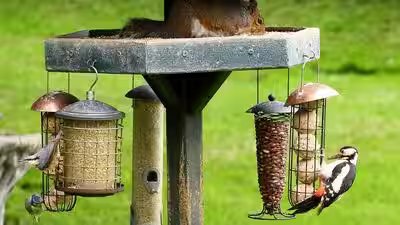
Food and water stations intended to help wild birds may also help a potentially deadly parasite spread between species, according to a study published in Molecular Ecology. Researchers found that Trichomonas gallinae, a parasite that causes trichomonosis, was widespread among birds and in shared food and water resources on UK farmland. Birds using sites where supplementary food was provided were more than twice as likely to carry the parasite as compared to birds at unfed sites. The findings show that the way food is provided can influence the risk of disease transmission.
How are food and water stations spreading deadly bird diseases
The parasite was detected in 79% of columbids and 36% of non-columbid birds tested. It was also detected in 39% of environmental resources that produced repeated conclusive results. Across the study, it was found in 27.4% of 343 samples taken from food and water resources.Researchers identified 13 strains in columbids, with four particularly common strains examined in greater detail. Type A was among them and is associated with outbreaks affecting finches. The strains found in passerines tended to match those detected in columbids and shared resources during the same year.This provided evidence that the parasite was moving between bird groups. The researchers concluded that food and water resources, particularly those created through human activity, could play an important role in this transmission.
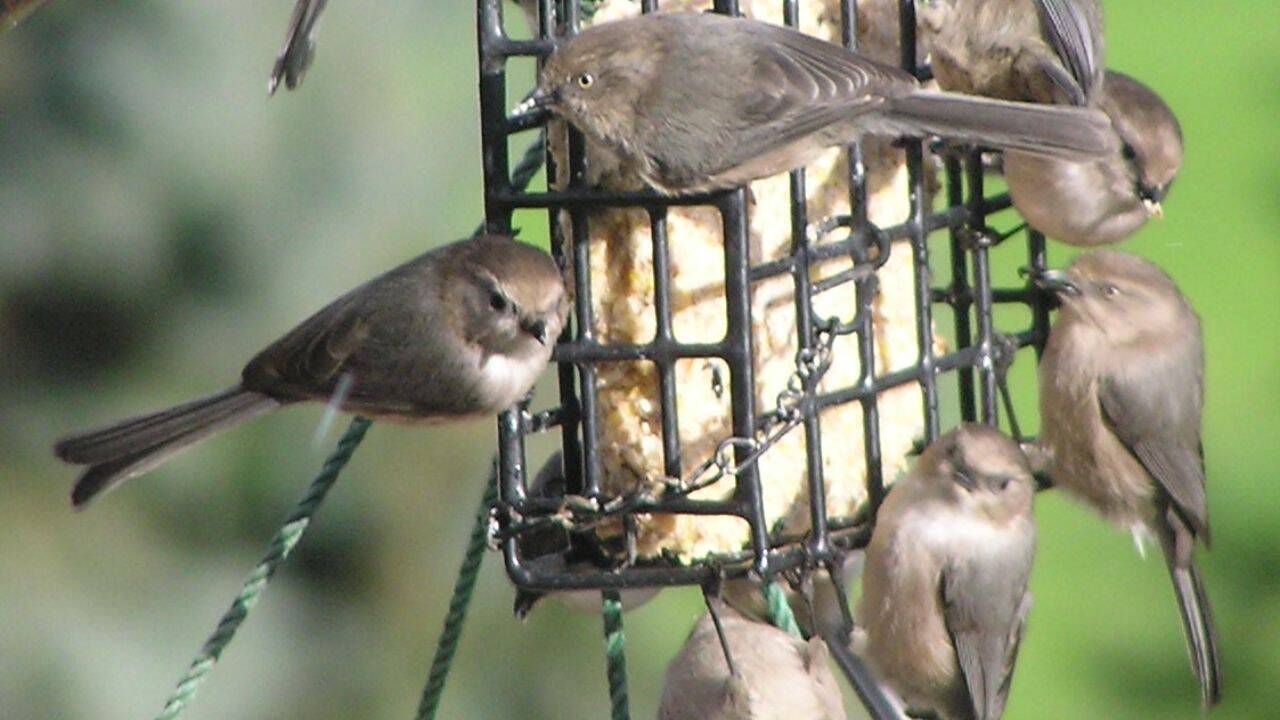
Bushtits on a suet feeder. Image Credit: Wikipedia
Methodology used by scientists to examine the birds and feeding stations
The study examined 363 birds, including 261 doves and pigeons and 102 birds from other groups. Researchers also tested 51 food and water resources across farmland sites in the UK. Bird samples were collected between 2011 and 2015, while environmental resources were monitored mainly between 2013 and 2015.Trichomonas gallinae is naturally associated with doves and pigeons, which can carry the parasite without obvious signs of illness. It has also become an important disease threat to smaller perching birds, particularly finches. The researchers examined whether shared food and water resources could help the parasite move between these different bird groups.
Why did crowded feeding areas carry a greater risk of parasitic spread
The clearest difference appeared between concentrated feeding sites and areas where food was naturally spread over a wider area.Trichomonas gallinae was detected nearly 3 times more often at high-density feeding resources than the low-density ones. High-density sites included concentrated food supplies such as seed piles, where several bird species could gather in a small area. Low-density sites required birds to search across a larger area for naturally available seed.The parasite was detected at 36.9% of high-density feeding sites, compared with 13.3% of low-density sites. The amount of food present and whether bait piles were dry, damp or wet were not associated with parasite detection.Birds at sites receiving human-provided food were also more than twice as likely to carry the Type A strain as compared to birds at sites without supplementary food. All passerines sampled carried the parasite without visible clinical signs.
Water can also provide a route for infection
Water resources showed a similar concern. Researchers cultured Trichomonas gallinae from 26.5% of the 25 water resources sampled.Detection changed during the sampling season, reaching 58.3% in May before falling to 21.2% in June and rising slightly to 25.6% in July. Water resources where the parasite was detected also had a higher average temperature than those where it was absent.The parasite was found in both natural water sources and artificial water trays. Its presence in larger water sources was unexpected, and the researchers suggested that repeated contamination or conditions allowing the parasite to persist could explain the finding.Higher temperatures were associated with a greater likelihood of detecting the parasite in water. The researchers suggested that rising temperatures could make transmission easier in temperate environments.
What changes to bird feeding could reduce disease transmission
The study does not suggest that supplementary feeding should simply stop. Instead, its findings point towards changing how food is distributed.Low-density food sources were less likely to contain the parasite. Spreading supplementary food over a wider area could reduce the concentration of birds at individual feeding points and limit opportunities for infection to pass between individuals and species.The researchers considered management of food resources more practical than management of water resources. Farmland habitats that provide food at low densities and on a rotating basis could help reduce transmission while continuing to give birds access to food.


