
In 1984, India started its metro rail journey; over 40 years later its network is set to surpass the US in two years to become second largest after China

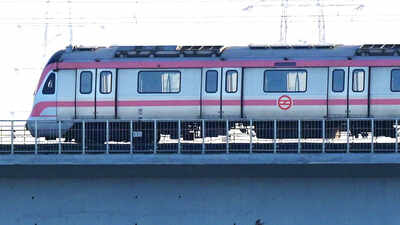
India’s metro network has grown multifold in the last few years and may soon overtake the network in the United States of America. This would make India the country with the second largest metro network in the world after China.India could surpass the United States in metro rail network length within the next two years, Union Housing and Urban Affairs Minister Manohar Lal said while inaugurating the extended metro rail service in Indore.
Metro Network: India Could Overtake US Soon
He said the US currently has a metro rail network spanning 1,386 km, while India’s network has grown to 1,170 km following the extension of the Indore line. This leaves India just 216 km behind the US.“The US has a metro rail network of 1,386 km. With the extended Indore line, India’s metro rail network has reached 1,170 km,” he said.The Indore metro extension was built at a cost of Rs 2,850 crore. Lal said China remains far ahead, with around 8,000 km of metro rail lines at present.“I think in the next two years, we will overtake the US and become the world’s second-largest country in terms of metro rail network after China,” the Union minister said.Lal also highlighted how rapidly India’s metro network has expanded over the past decade. In 2014, metro services were available across just 245 km in five cities. The network has since grown to 1,170 km covering 26 cities, he said.According to Lal, metro rail is about more than just moving passengers from one place to another. Its expansion also contributes to people’s “ease of living” and forms part of the broader objective of building ‘Viksit Bharat’ by 2047.Chief Minister Mohan Yadav said the launch of the extended metro service marked another step in Indore’s development. He added that the metro network would eventually be expanded to Ujjain and other nearby areas.Yadav also thanked Prime Minister Modi for approving the Rs 18,500-crore Indore-Manmad railway line. He said the project would provide a major boost to rail connectivity between Madhya Pradesh, Maharashtra and Gujarat.Officials said the Indore metro had so far been operating commercially on a six-km stretch connecting Gandhi Nagar and Super Corridor-3 stations. With the latest extension, the commercial route will now cover 17 km, running from Gandhi Nagar to Malviya Nagar Chauraha.Daily services on the extended stretch will begin with the first trains leaving from both ends at 9 am. The final service will operate at 7 pm. Trains will run at 15-minute intervals, with more than 80 trips planned each day, officials said.The expanded route will have 16 stations and is expected to improve connectivity between some of the city’s key commercial and residential areas, according to officials.
India’s Metro Network Expansion
India’s metro network has expanded from just one city when the first metro service began in 1984. The network grew to 25 km across two cities in 2002 and 248 km across five cities by 2014, before expanding rapidly in subsequent years. The government has said that the Metro Rail Policy introduced in 2017 created an enabling framework for further expansion.India’s metro network has grown more than fourfold in just over a decade. From 248 km across five cities in 2014, the operational network reached 1,095 km across 26 cities in 2025, including 55 km of the Delhi-Meerut RRTS. The expansion has put India among the world’s largest metro networks, with the country now ranked third globally in terms of operational metro network.The scale of construction has also increased sharply. Since 2014, 38 metro rail projects covering 1,051 km have been sanctioned at an estimated cost of Rs 3.44 lakh crore. Government spending has risen alongside this expansion, with the annual metro budget increasing from Rs 5,798 crore in 2013-14 to Rs 29,550 crore in 2025-26. Metro projects are also being brought under broader infrastructure planning through initiatives such as the PM GatiShakti National Master Plan.The expansion has not been limited to adding tracks. India has introduced several new forms of urban and regional transport in recent years. The Namo Bharat regional train was operationalised on the Delhi-Meerut corridor in October 2023, with an operating speed of 160 kmph. Kolkata introduced the country’s first underwater metro tunnel in 2024, while Kochi became the first Indian city to launch a Water Metro in April 2023, connecting 10 islands with electric-hybrid boats.


